
LCRF

Privacy preferences

Choose optional purposes independently. You can change or withdraw your choice at any time from the footer.

Strictly necessary

Required for security, session functions and storing your privacy choice.

Always active
Preferences

Remembers optional display or language settings when these features are enabled.

Analytics

Uses first-party visitor and session identifiers to measure pages, referrals and inquiry interactions.

Marketing

Allows marketing measurement or third-party advertising technologies if they are introduced in the future.

Semiconductor RF Process Equipment

RF hardware for semiconductor process tools, covering plasma power paths, reflected-power monitoring, control and cooling.

Semiconductor RF Process Equipment RF application visual

RF power paths in process tools

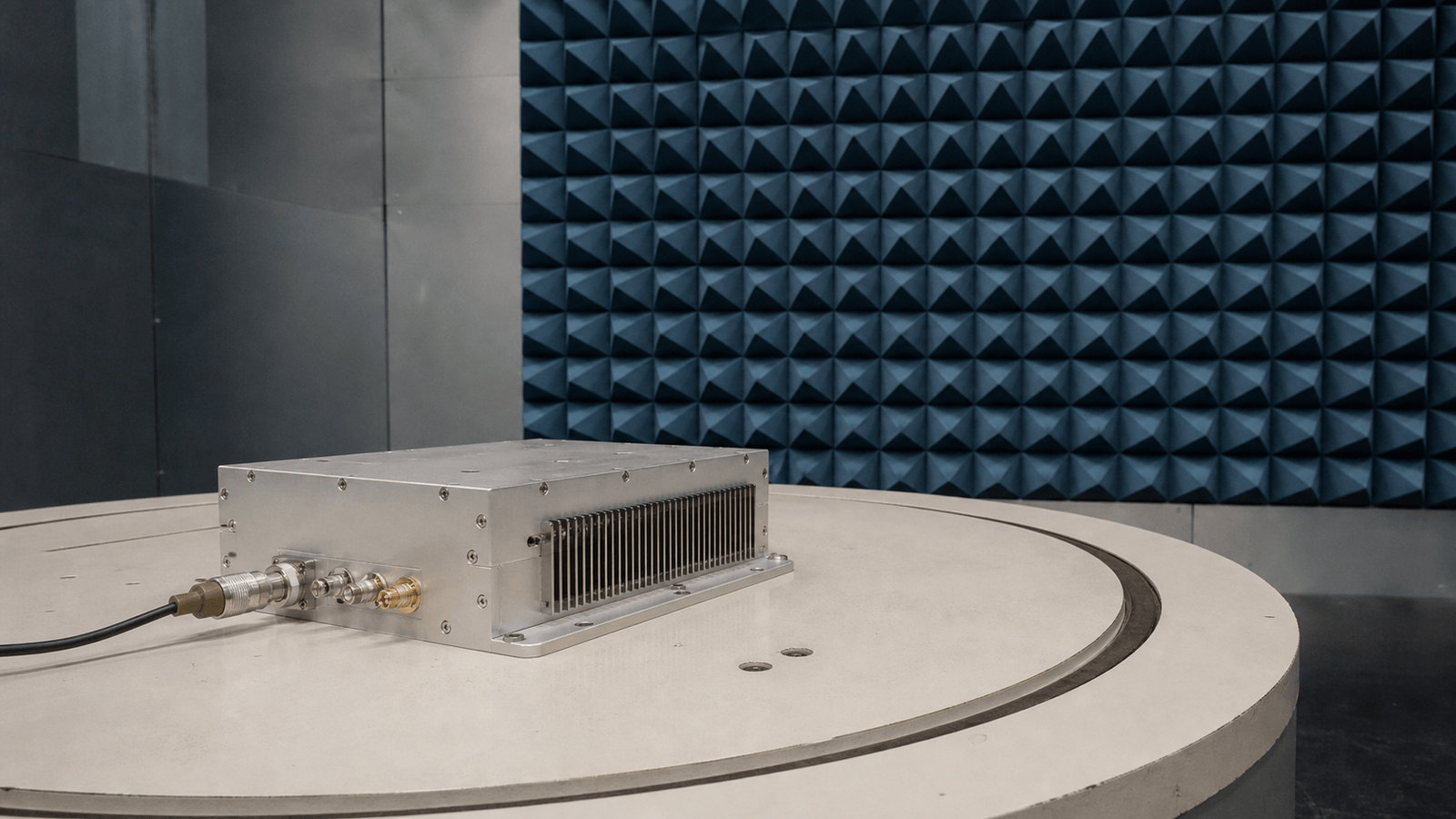
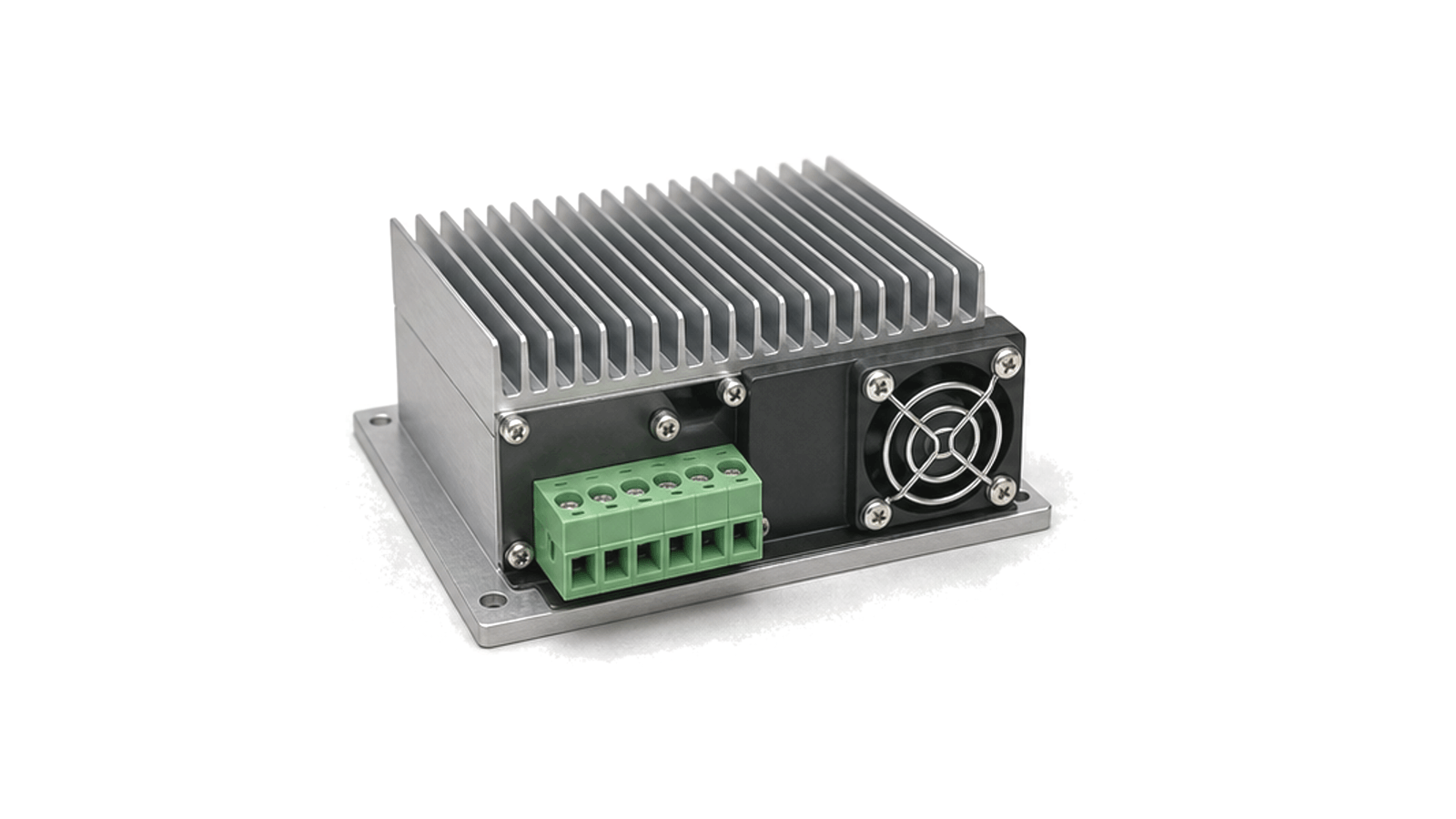
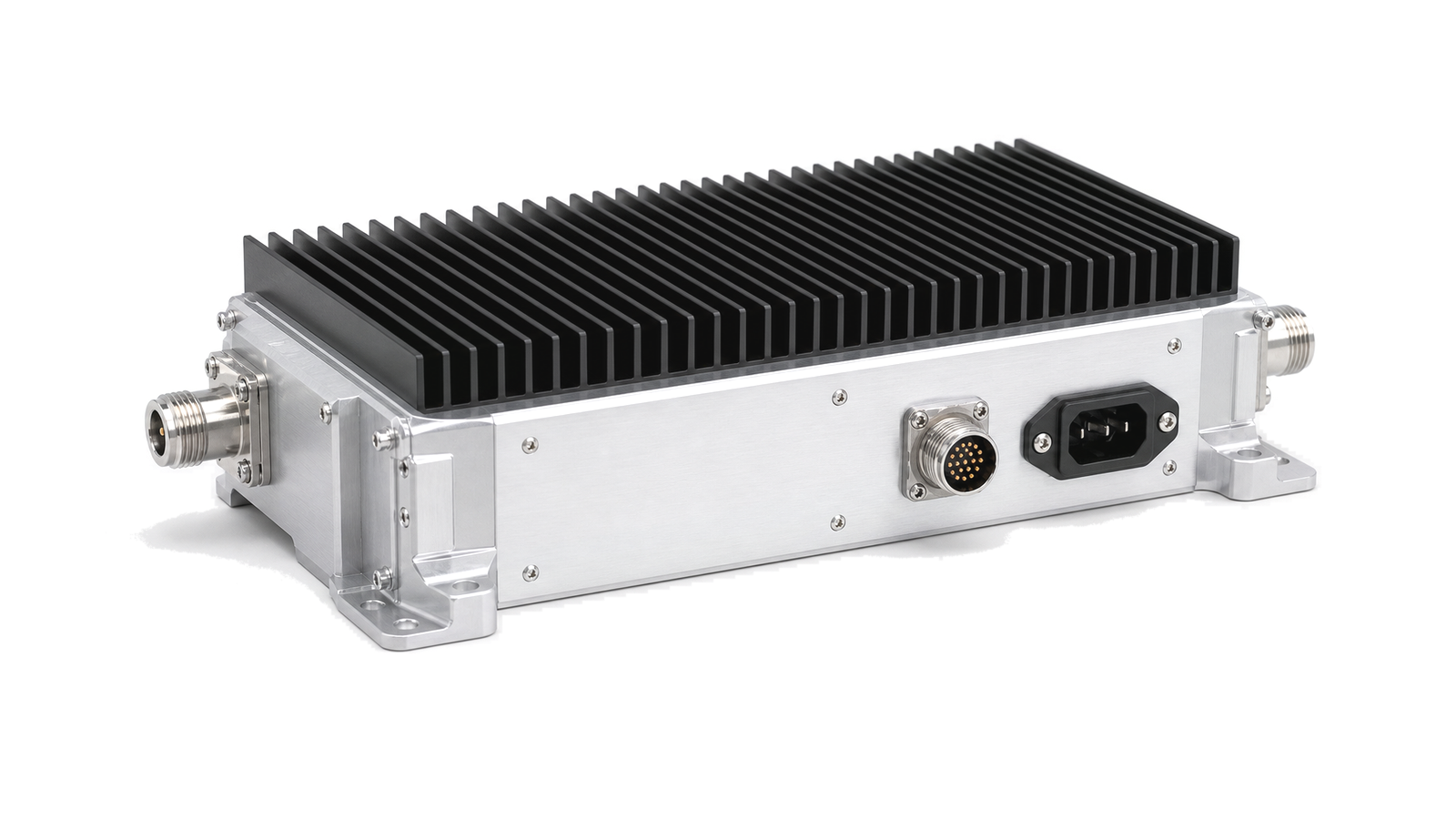
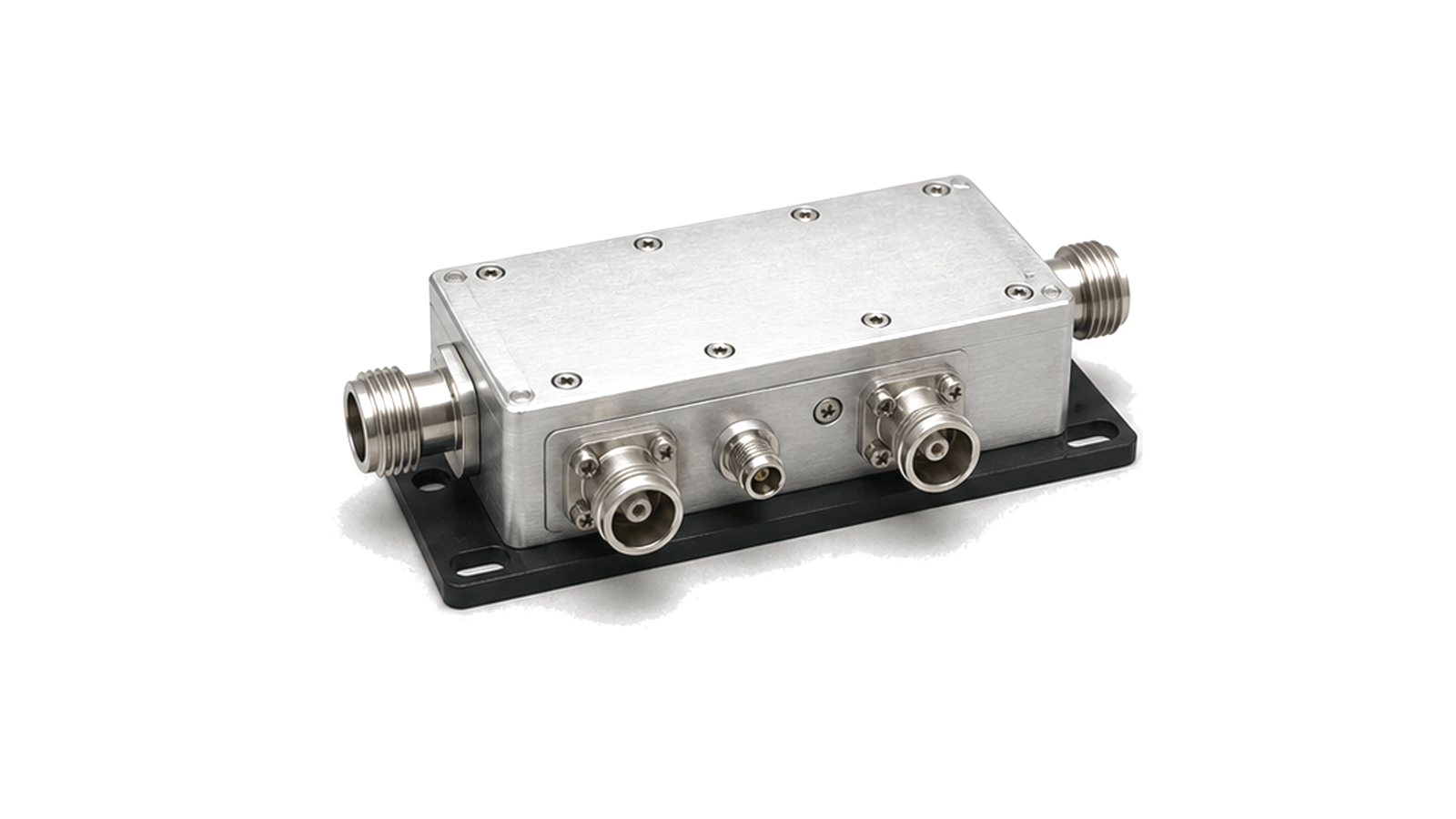
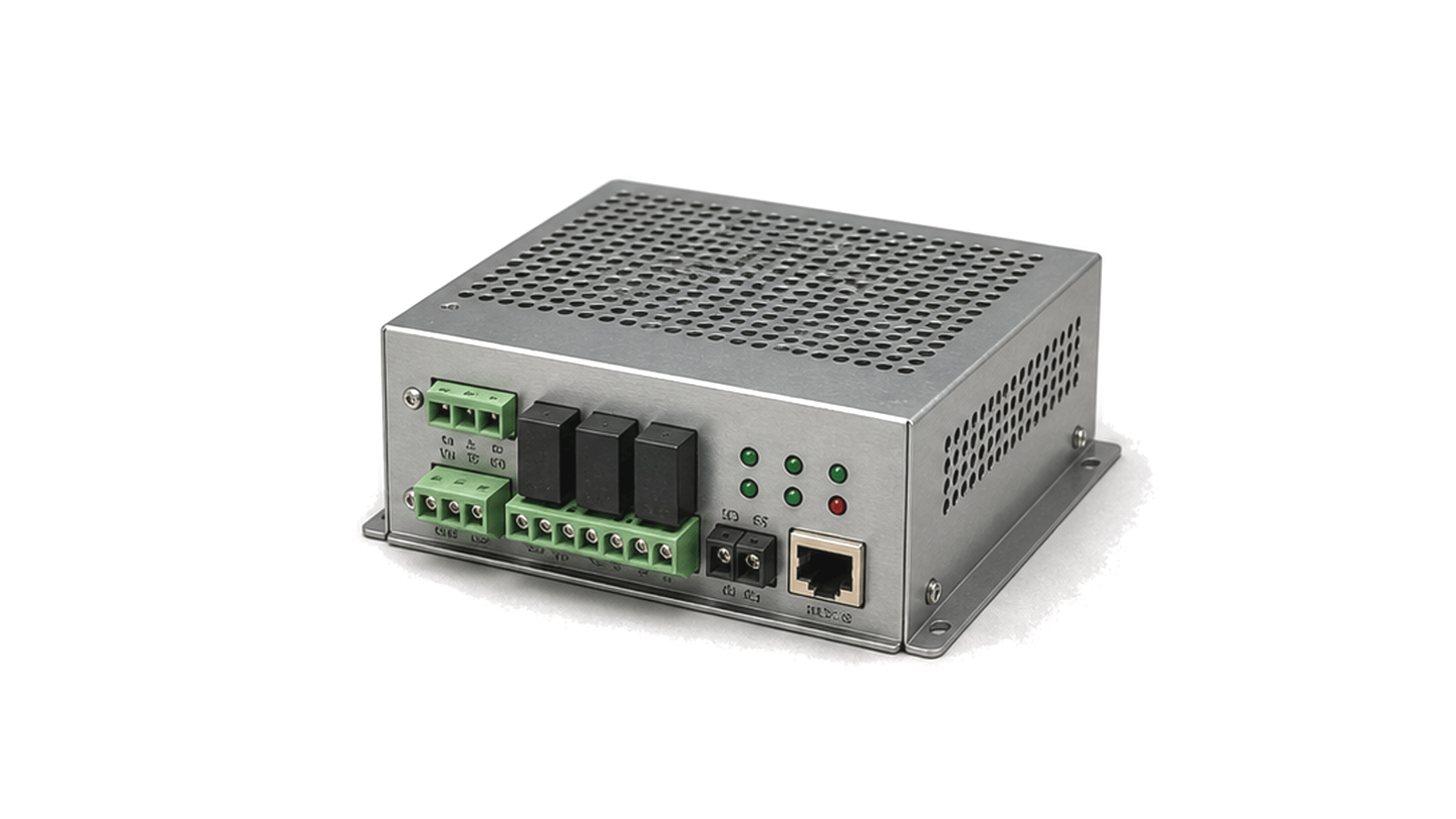
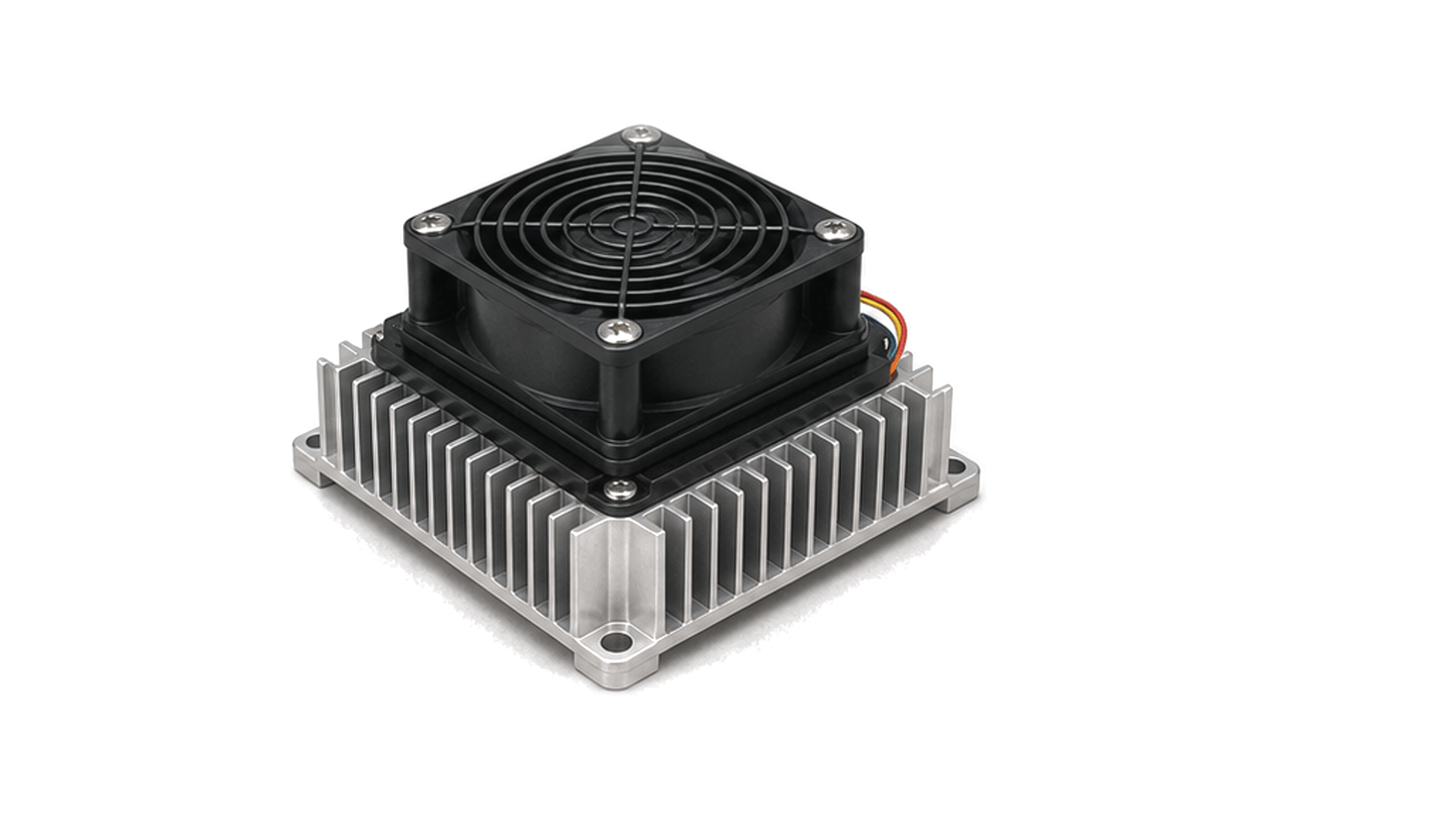
Semiconductor RF process equipment uses RF or microwave energy in plasma etch, deposition, sputtering and material-processing tools. The RF section around the chamber may include power amplifiers, amplifier power supplies, reflected-power monitoring, power control units and air-cooled thermal assemblies.

Process environment

The load seen by the RF path changes with gas mix, chamber pressure, matching condition, wafer state and duty cycle. Delivered power, reflected-power behavior, protection limits and cooling access influence how predictably the tool operates during production runs.

Engineering data

Useful data includes operating frequency, output power, duty cycle, mismatch tolerance, reflected-power threshold, control interface, supply voltage, cooling method, alarm behavior and maintenance access.
Articles

FAQ

How should an RF power amplifier supply be sized for peak current, duty cycle and load transients?

Separate average and RMS heating from pulse-on current, edge-rate demand, inrush and fault current, then verify rail droop and recovery at the module terminals.

What thermal-interface data are needed before selecting air or liquid cooling for an RF power module?

Define dissipated heat, temperature reference, interface stack, airflow or coolant conditions and loss-of-cooling behavior before comparing cooler ratings.

How much power-supply ripple and noise can an RF amplifier tolerate?

There is no universal ripple limit; derive a rail spectrum from the allowed RF spur or noise contribution and the amplifier's supply sensitivity under the real operating condition.

How often should an RF test path be verified with a check standard or recalibrated?

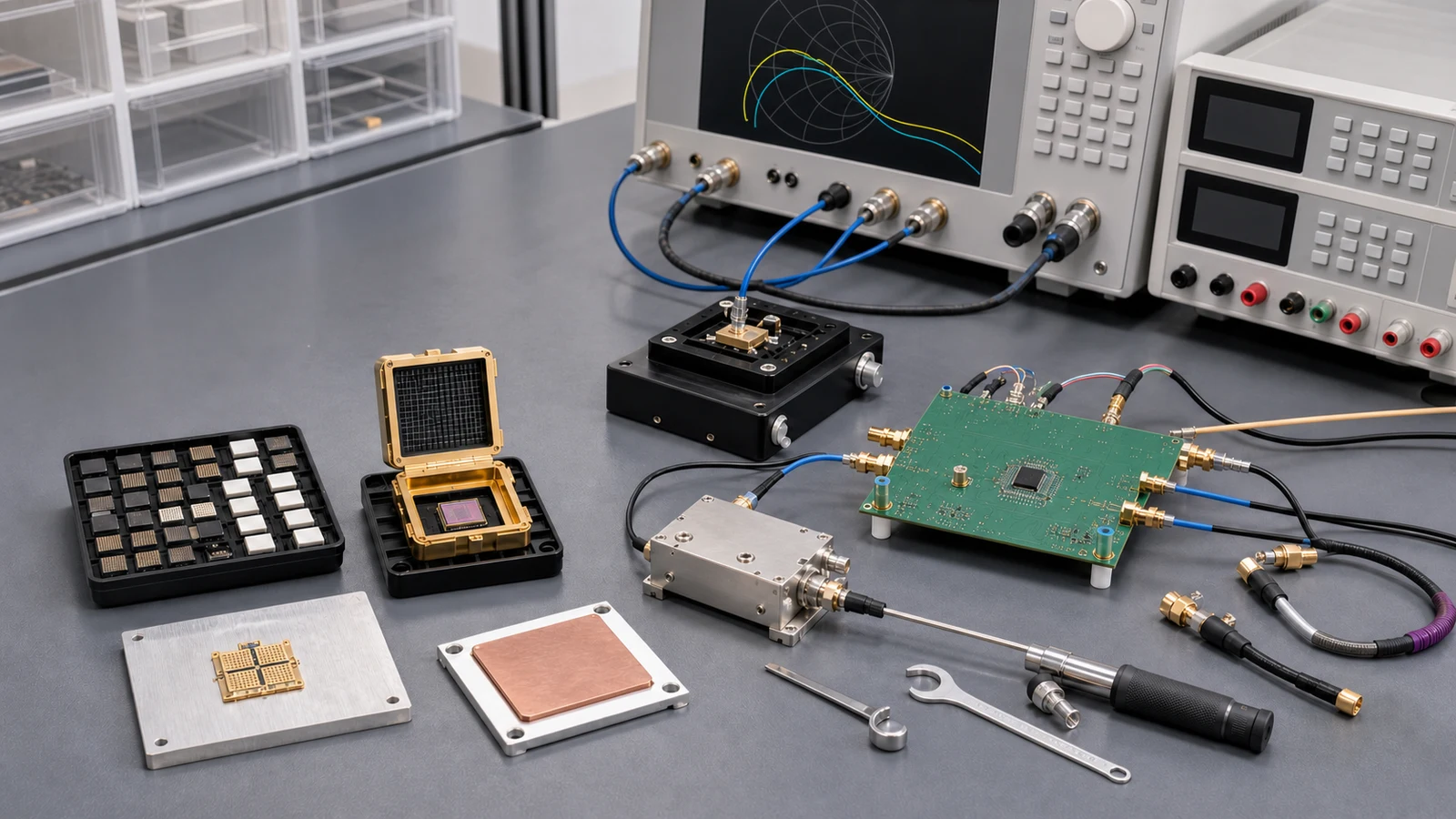
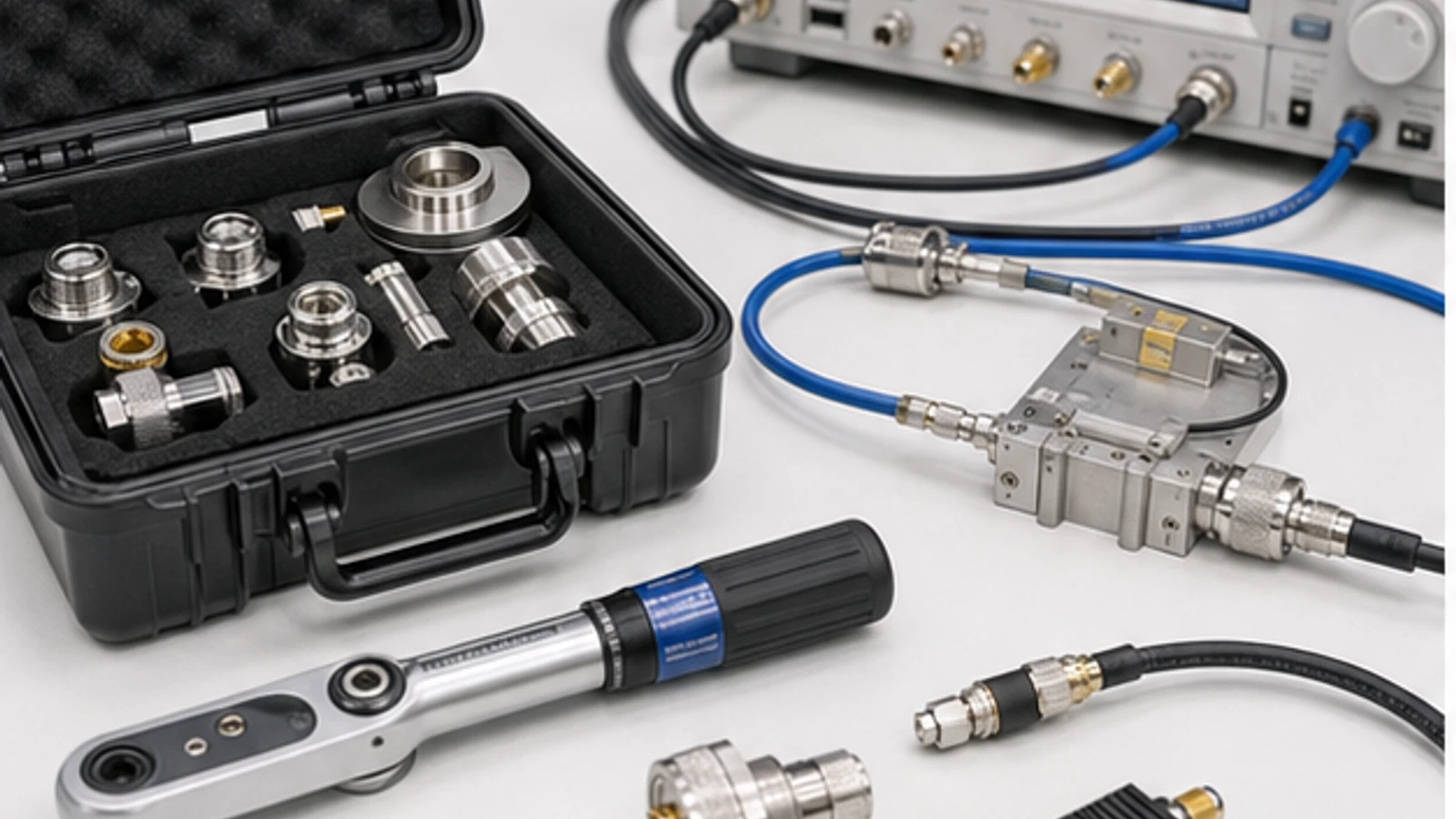
Use both time-based intervals and event triggers, with an independent check standard that can reveal drift, cable or connector damage, switch-state change and fixture instability between full calibrations.

Engineering inquiry

Share your RF requirement

Share the product, operating requirements and project context. Our engineering team will route your request to the right specialist.

AttachmentsAttach drawings, BOMs, specifications or test files. Up to 5 files, 10 MB each and 25 MB total.
or drag and dropPDF, DOCX, XLSX, CSV, TXT, JPG, PNG, S1P and S2P
Typically reviewed within one business dayProject information is handled confidentially