RF energy in process equipment
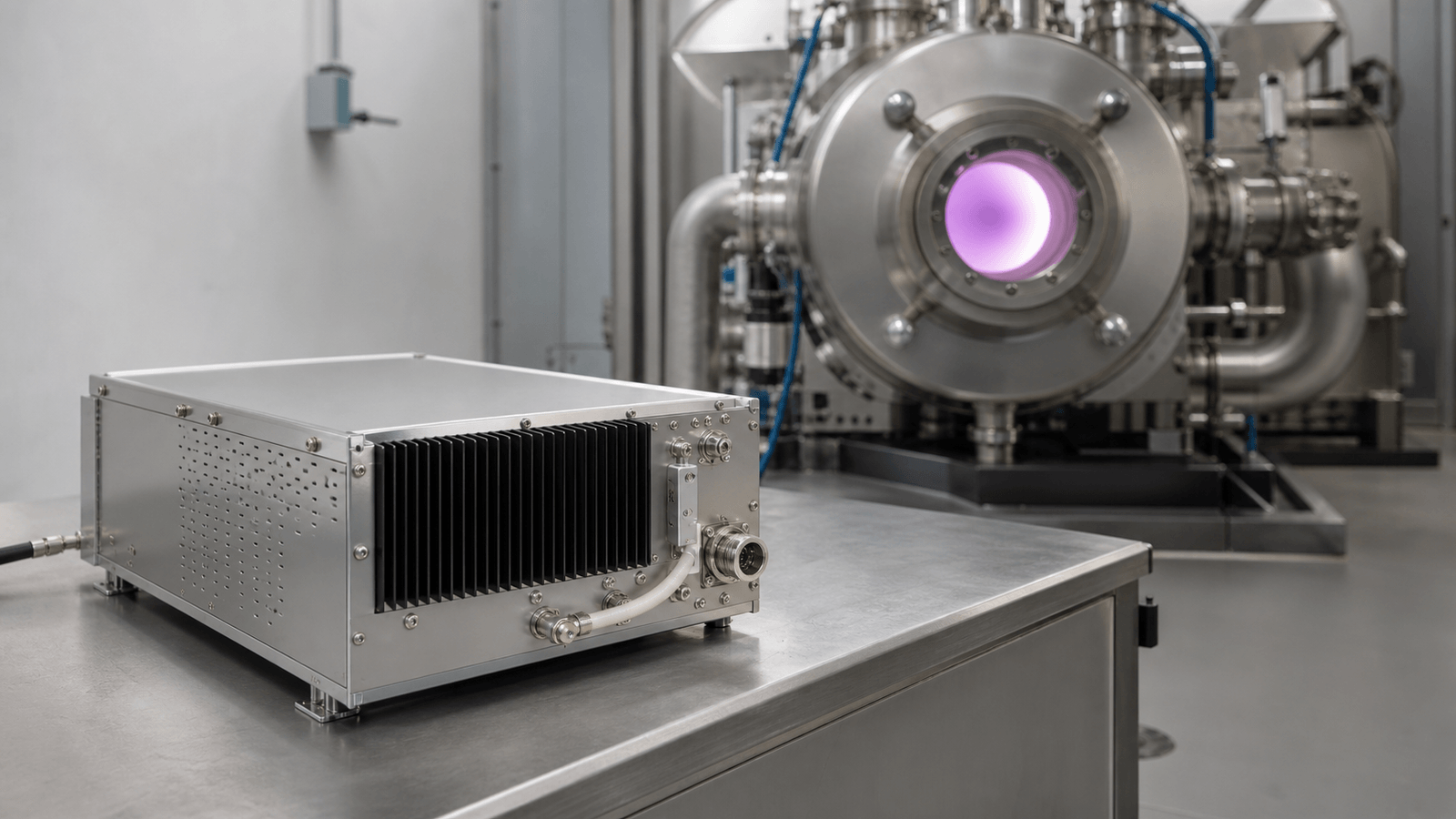
Industrial heating and plasma systems use RF or microwave energy as part of the process path rather than as a communication link. The RF section may drive a matched load, a plasma chamber, a heating fixture or a scientific instrument where delivered power, stability and protection behavior affect process repeatability.
Engineering context
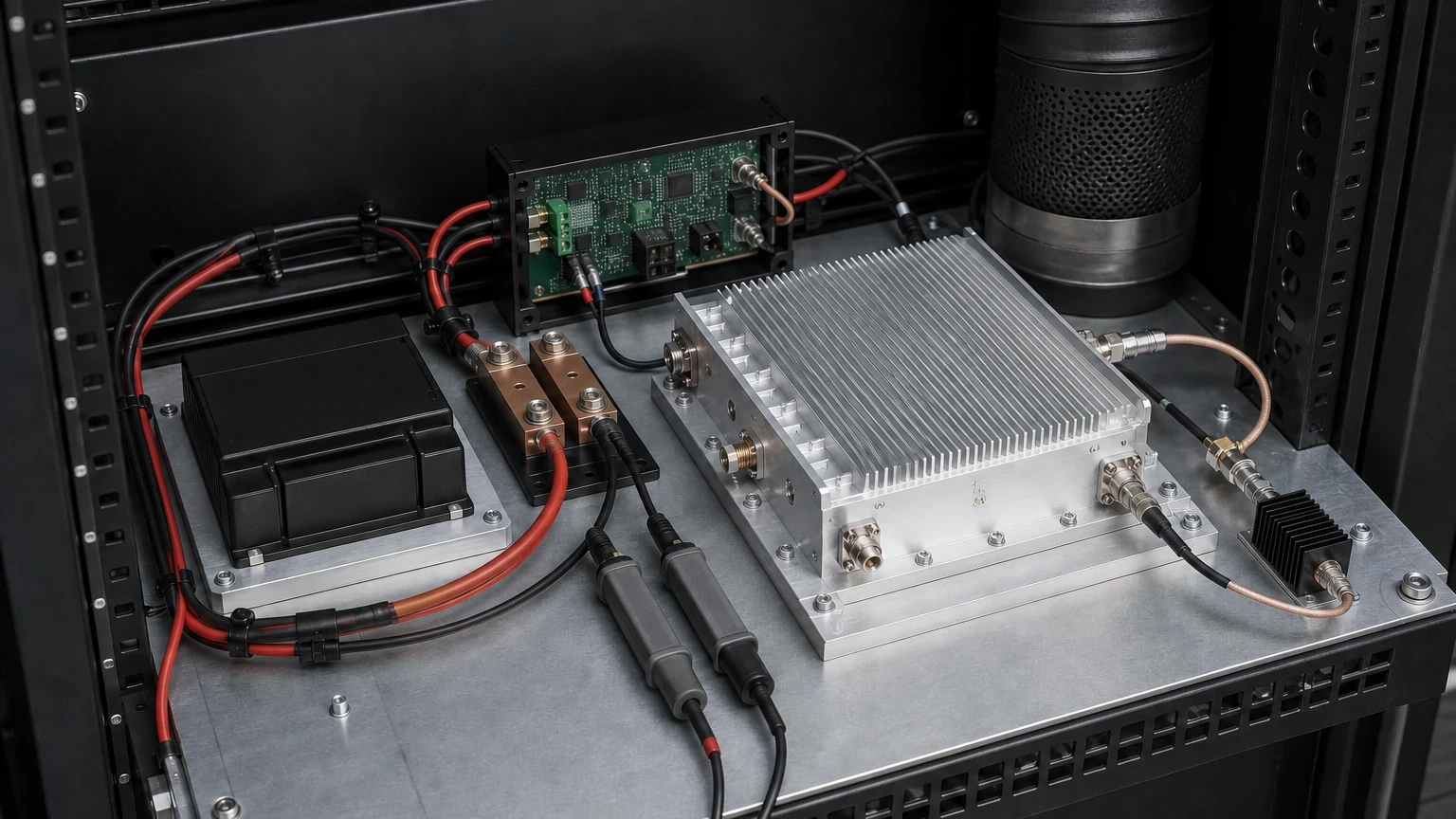
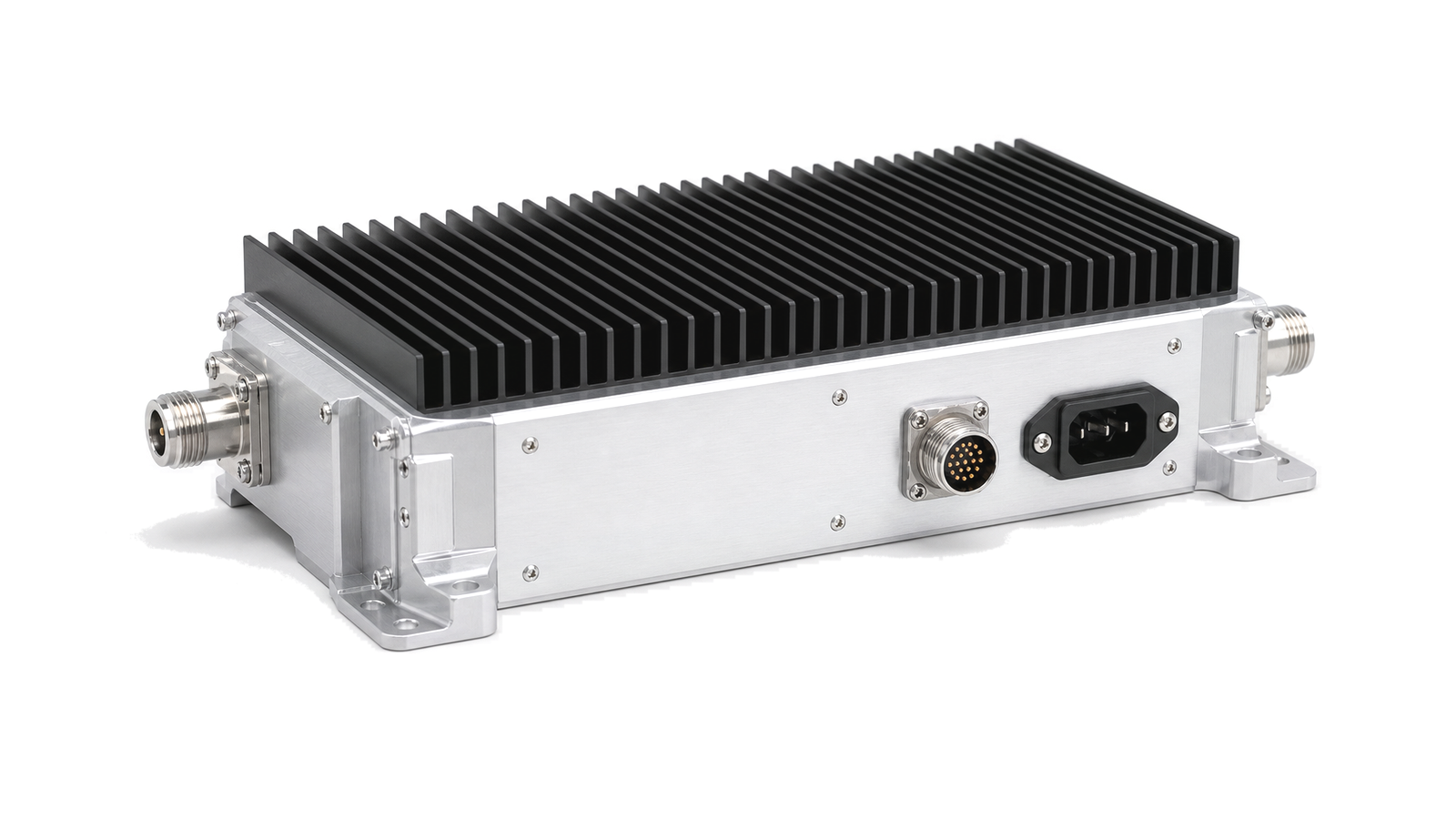
Required RF inputs includes operating frequency, forward and reflected power, duty cycle, load variation, cooling method, interlock logic, connector interface and access for service. These details connect high-power amplifiers, RF power supplies, thermal assemblies and reflected-power monitors to the actual process environment.
Define one electrical-and-thermal operating envelope
- RF hardware for Industrial Heating & Plasma RF
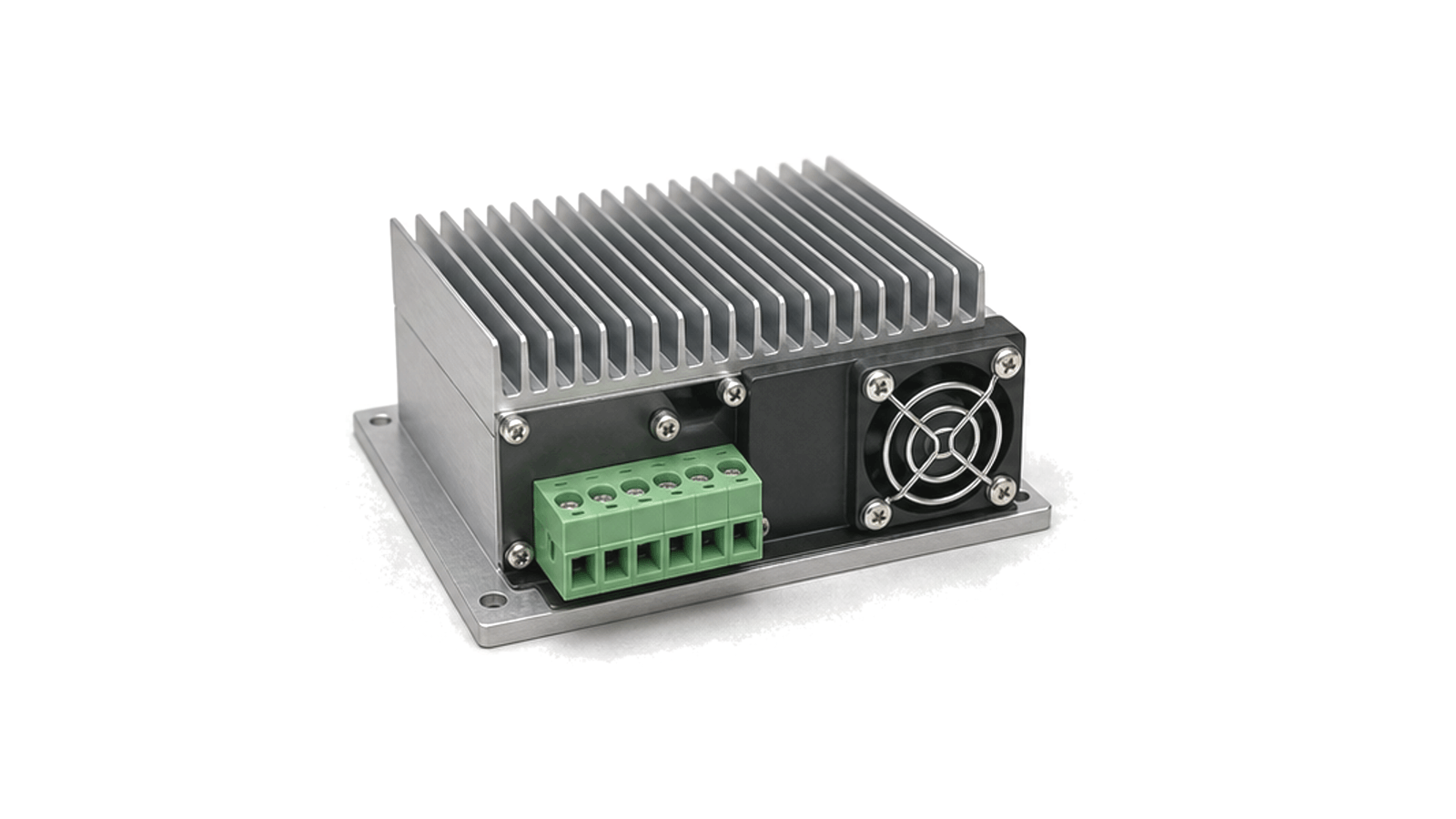
- Keep the article boundary on support hardware This workflow owns the DC source and conversion path, bias generation and sequencing, enable logic, protection and telemetry, module heat flow, cooling interface and the acceptance evidence that joins them....
- Industrial Heating & Plasma RF RF requirements
- Keep the article boundary on support hardware This workflow owns the DC source and conversion path, bias generation and sequencing, enable logic, protection and telemetry, module heat flow, cooling interface and the acceptance evidence that joins them....
- Industrial Heating & Plasma RF RF architecture
- Keep the article boundary on support hardware This workflow owns the DC source and conversion path, bias generation and sequencing, enable logic, protection and telemetry, module heat flow, cooling interface and the acceptance evidence that joins them....
- Industrial Heating & Plasma RF RF hardware selection
- Keep the article boundary on support hardware This workflow owns the DC source and conversion path, bias generation and sequencing, enable logic, protection and telemetry, module heat flow, cooling interface and the acceptance evidence that joins them....
- Industrial Heating & Plasma RF RF testing and verification
- Design one acceptance matrix that joins electrical, RF and thermal evidence Measure source and module-terminal voltage, rail current, enable and bias timing, fault response and declared temperatures while the RF module operates in the approved states....
How to Specify Power, Bias, Protection and Thermal Interfaces for an RF Power Module
An engineering workflow for turning RF operating modes into DC rail, current transient, ripple, sequencing, protection, heat-load, cooling-interface and acceptance requirements without confusing catalog ratings with delivered system performance.