RF monitoring for distributed infrastructure
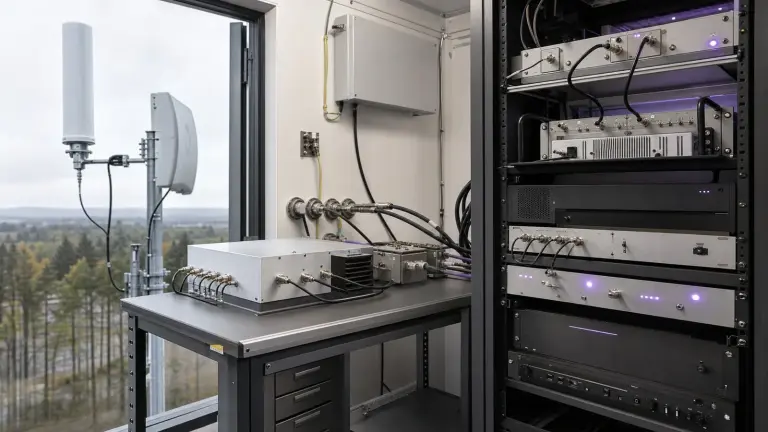
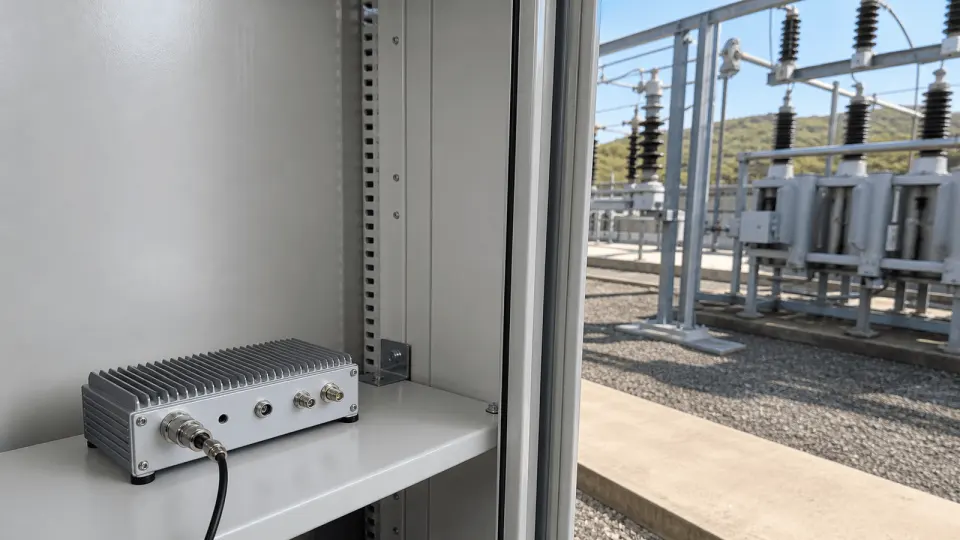
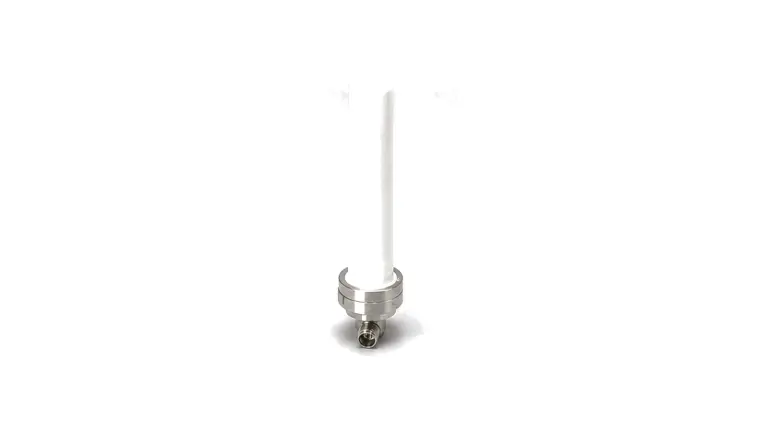
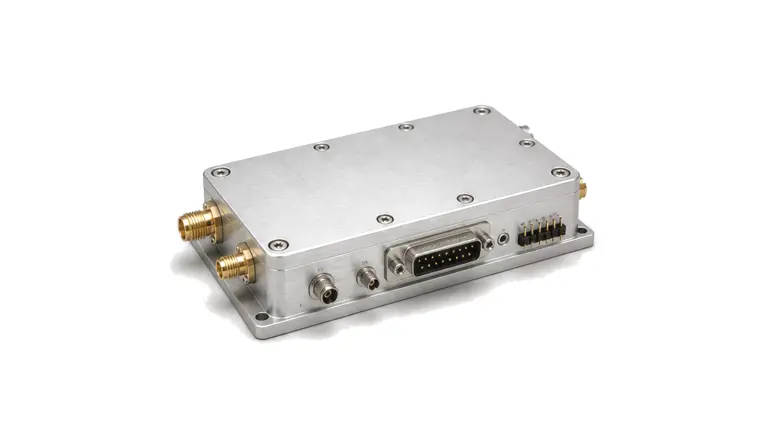
Energy and utility sites often place RF hardware in remote cabinets, substations, field stations and exposed outdoor locations. The RF path may carry telemetry, timing reference, control status, monitoring data or low-rate communications between fixed assets and supervisory systems.
Practical RF path requirements
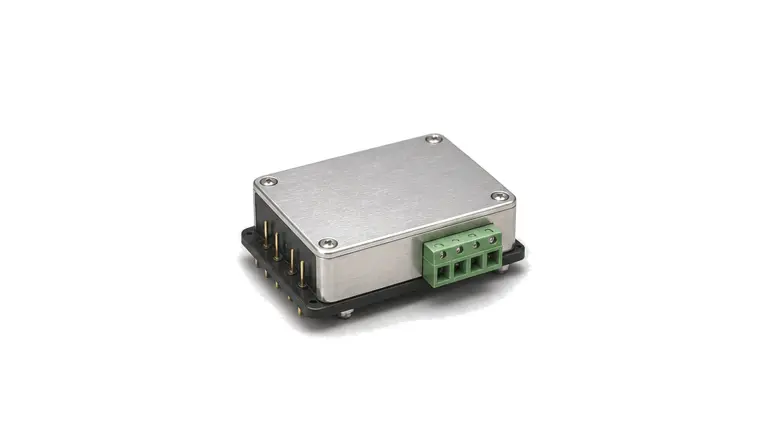
Useful project data includes operating band, link distance, antenna position, receiver sensitivity, filter rejection, power availability, grounding condition, enclosure space and service access. Long unattended operation makes supply stability, surge exposure, temperature range and repeatable measurement records more important than a single lab reading.