
RF engineering articles
RF engineering articles on product selection, signal-chain design, testing and integration.
Browse articles
Filters
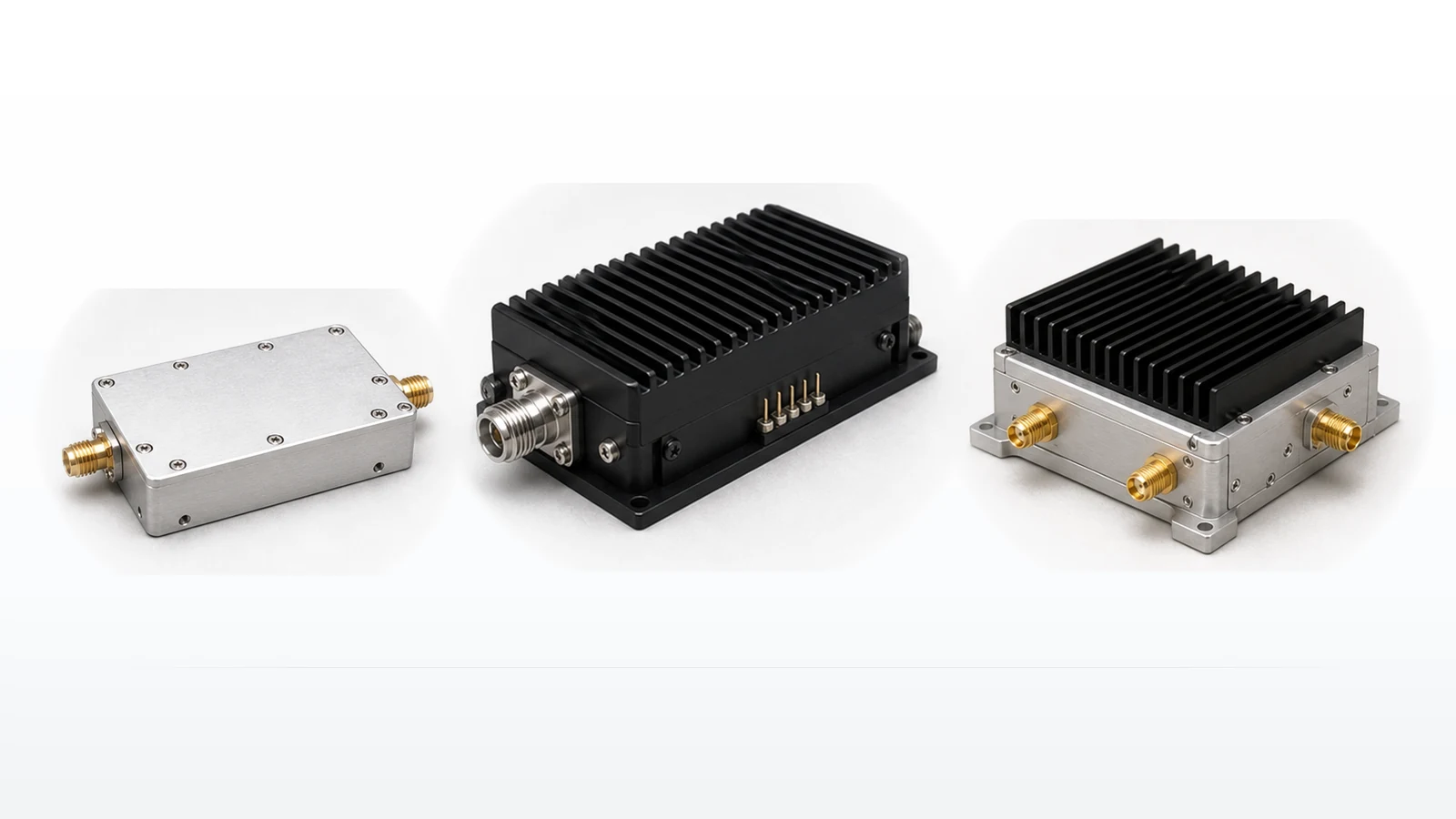
A practical method for translating frequency coverage, gain, output level, linearity, noise, waveform and thermal limits into an RF amplifier requirement that can be compared and verified.
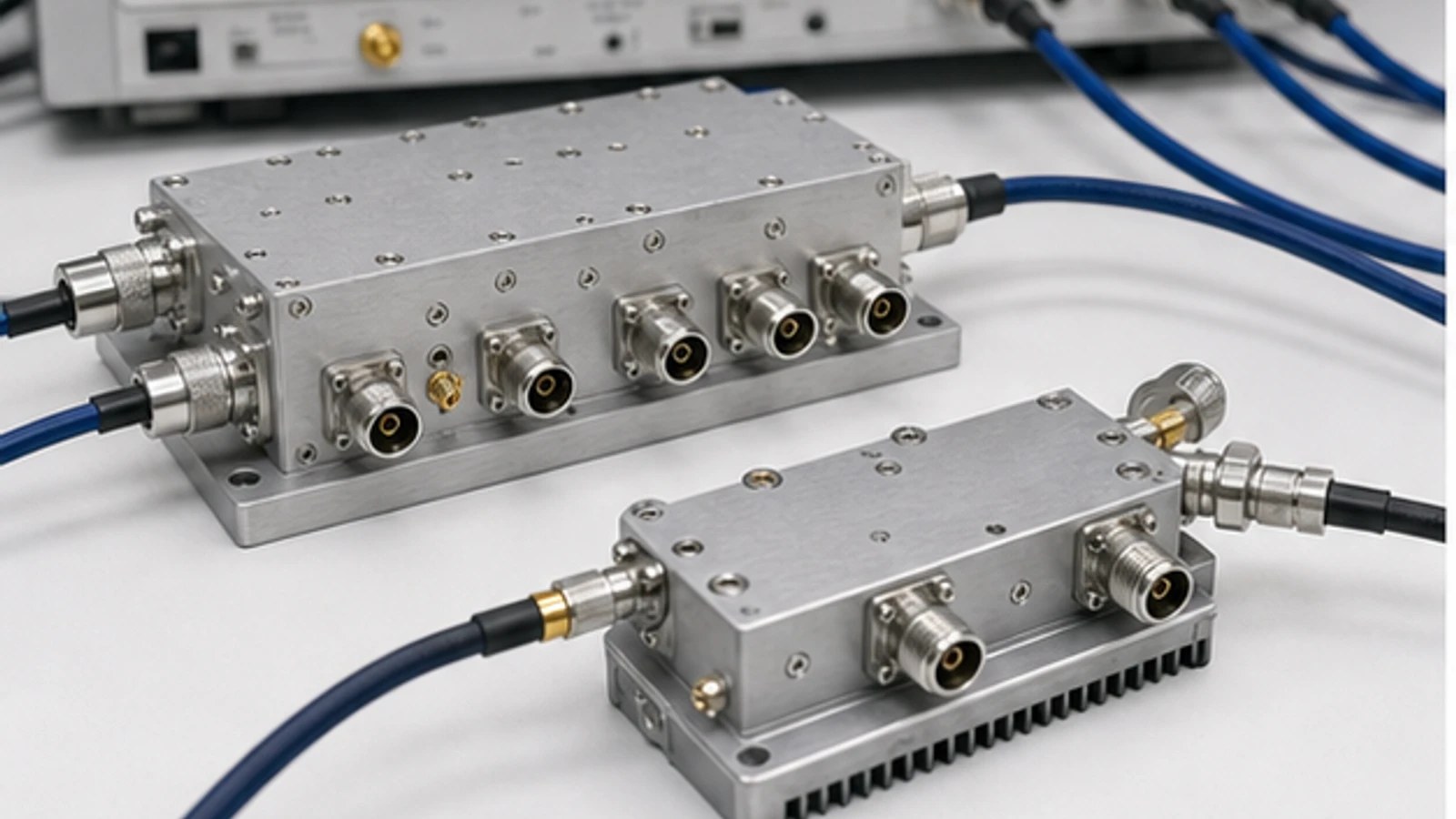
A practical method for choosing RF dividers, combiners and directional couplers from signal-flow purpose, topology, frequency range, balance, isolation, directivity, match and real power conditions.
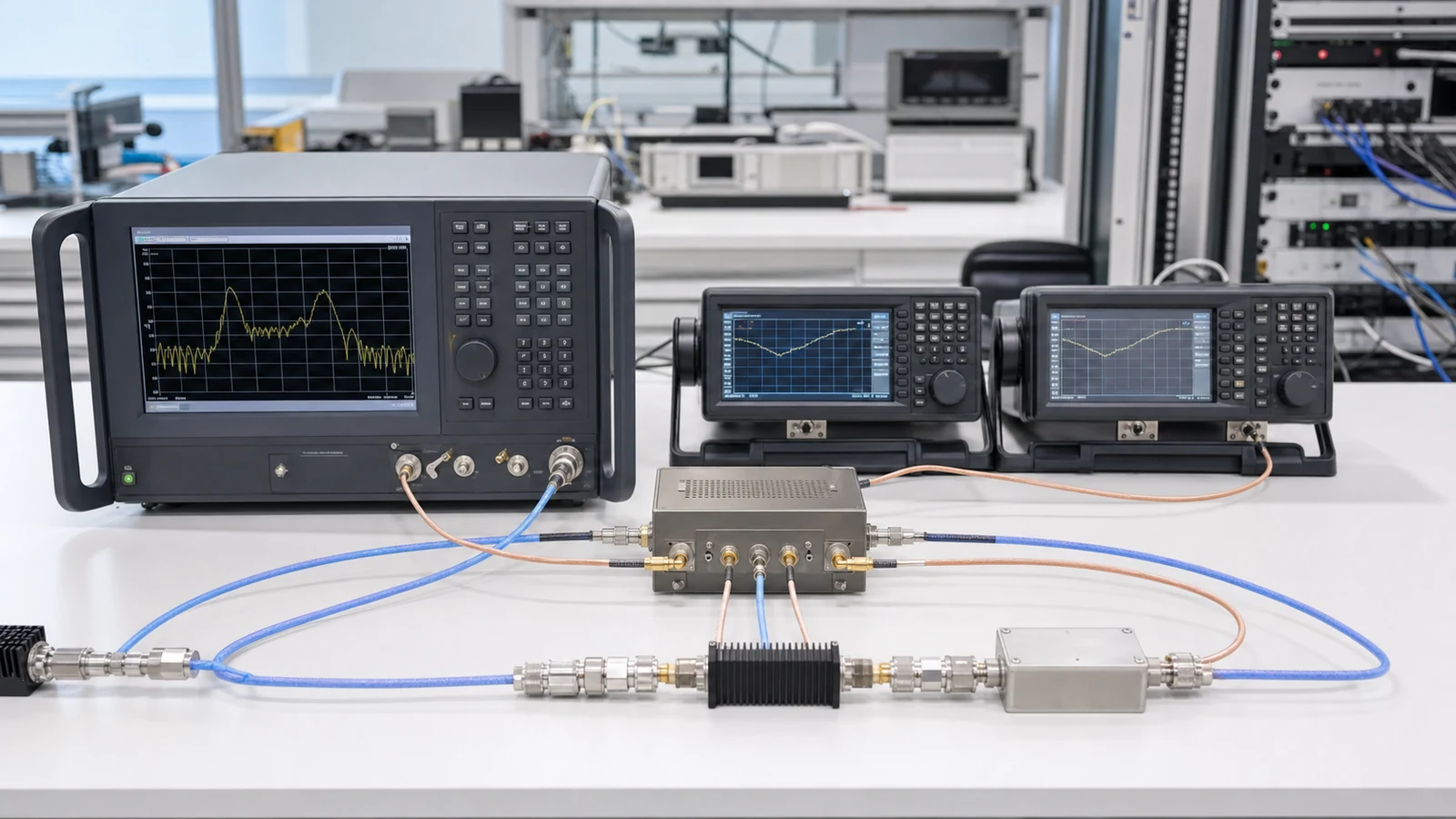
A practical method for turning RF input, desired output and bandwidth requirements into an RF/LO/IF plan with controlled images, spurs, leakage, gain, noise and linearity.
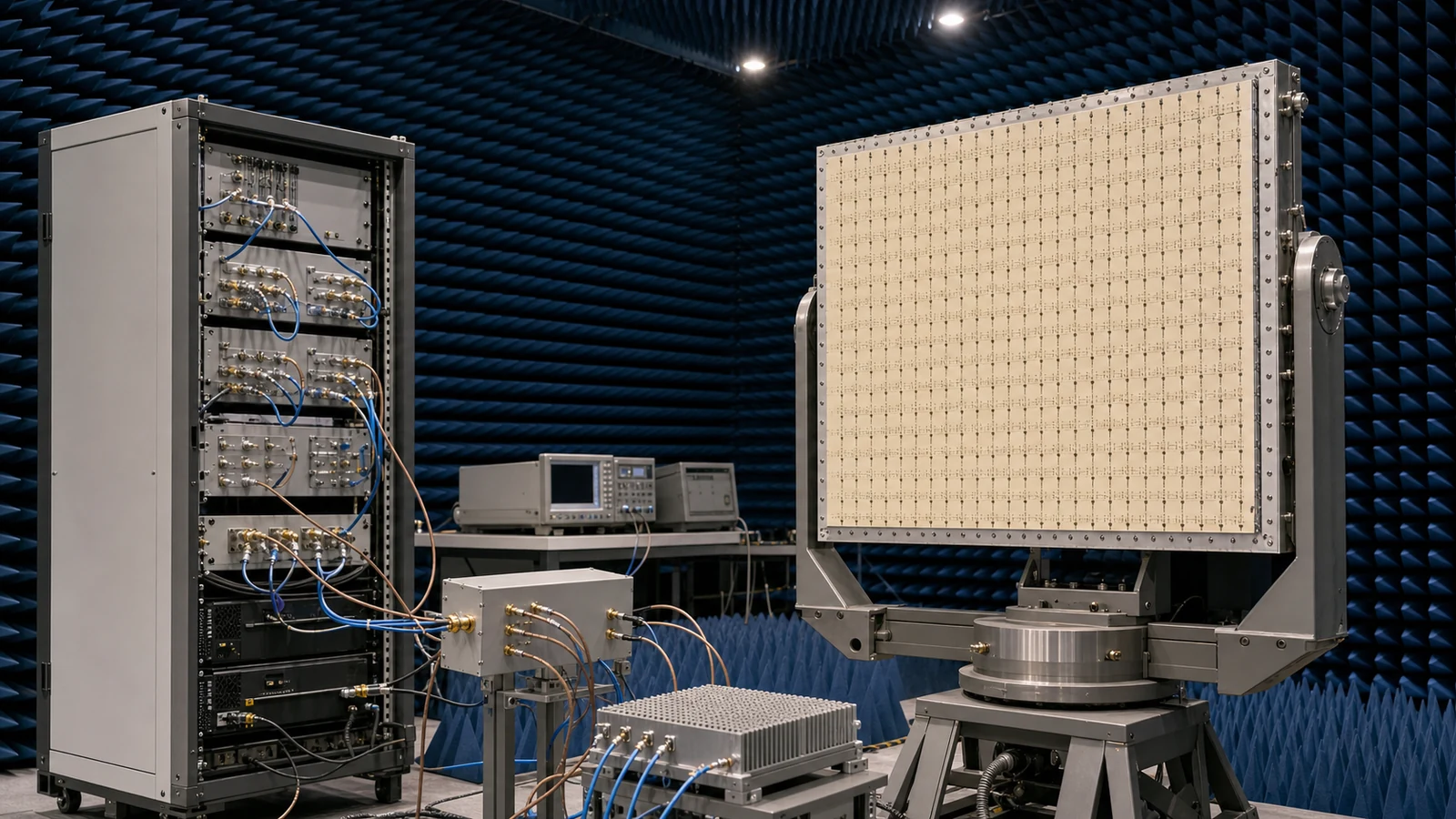
A system-engineering method for converting radar waveform, range, aperture, scan, dynamic range, timing, environment and calibration needs into RF front-end requirements and acceptance evidence.
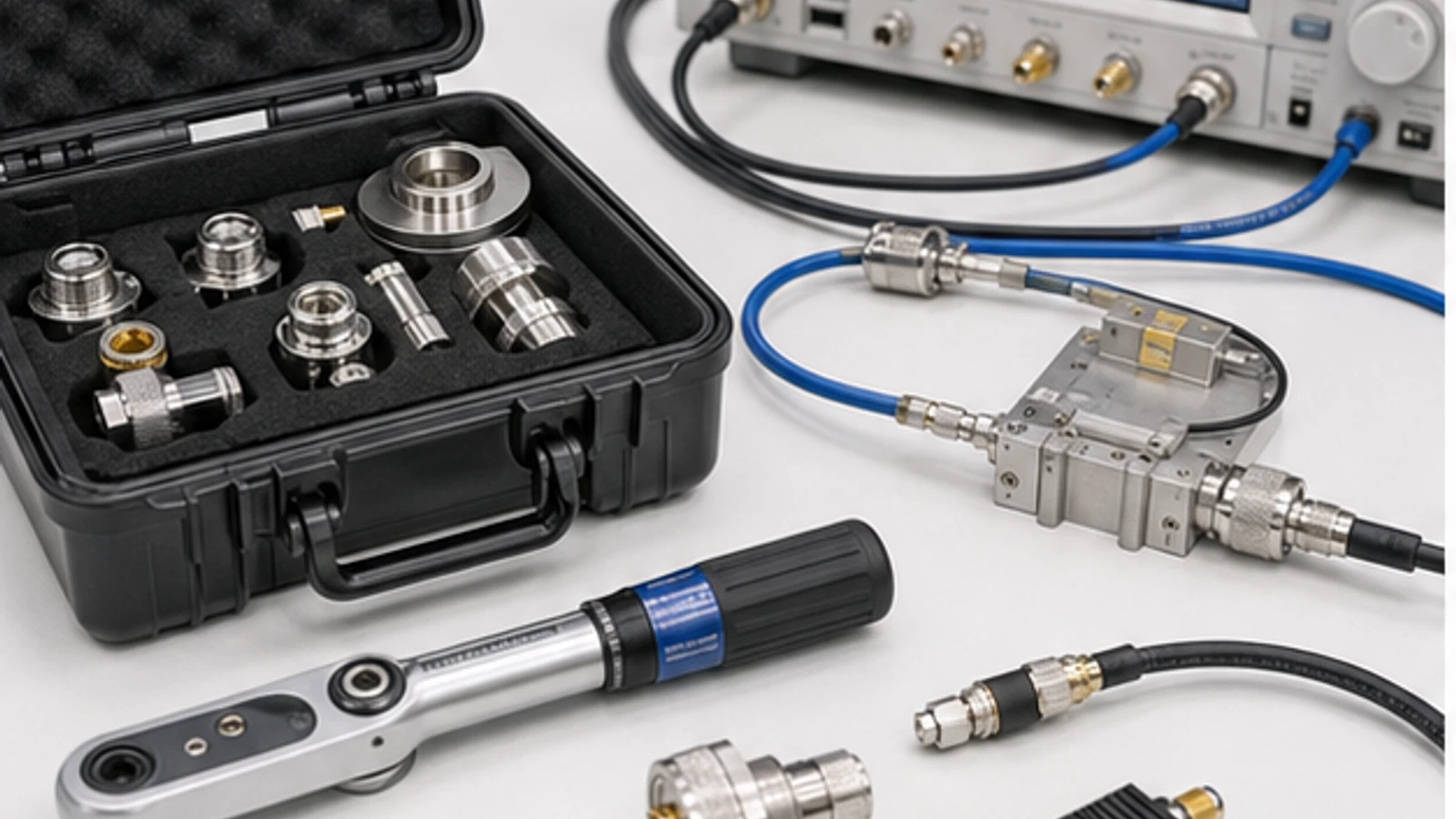
A practical method for fixing DUT state, reference planes, stimulus, calibration, receiver limits, uncertainty, characterization coverage and production acceptance before RF test data is compared.
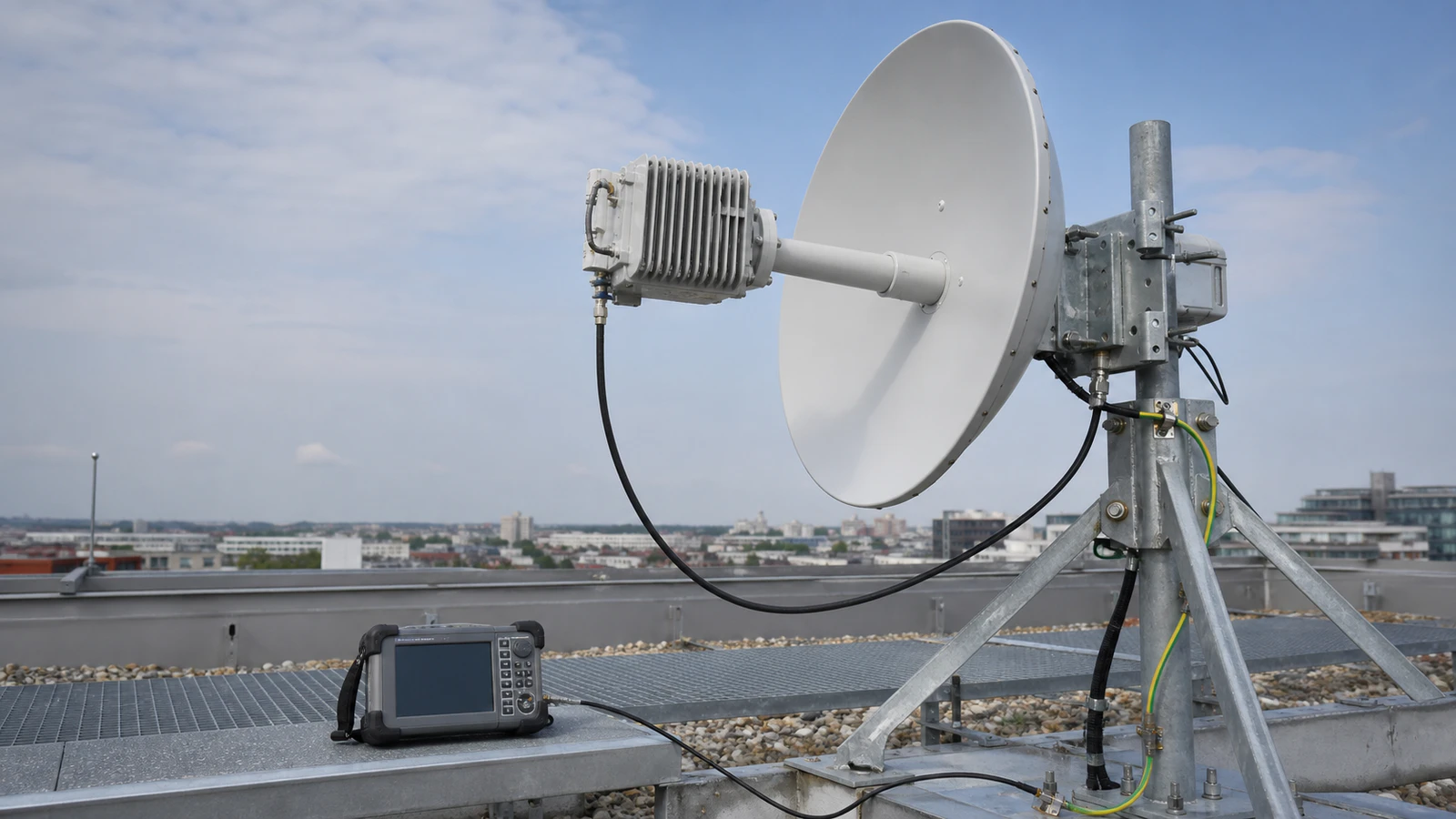
A link-engineering method for turning service bandwidth, availability, EIRP, propagation, receiver sensitivity, duplexing and waveform quality into RF hardware limits that can be designed and verified.
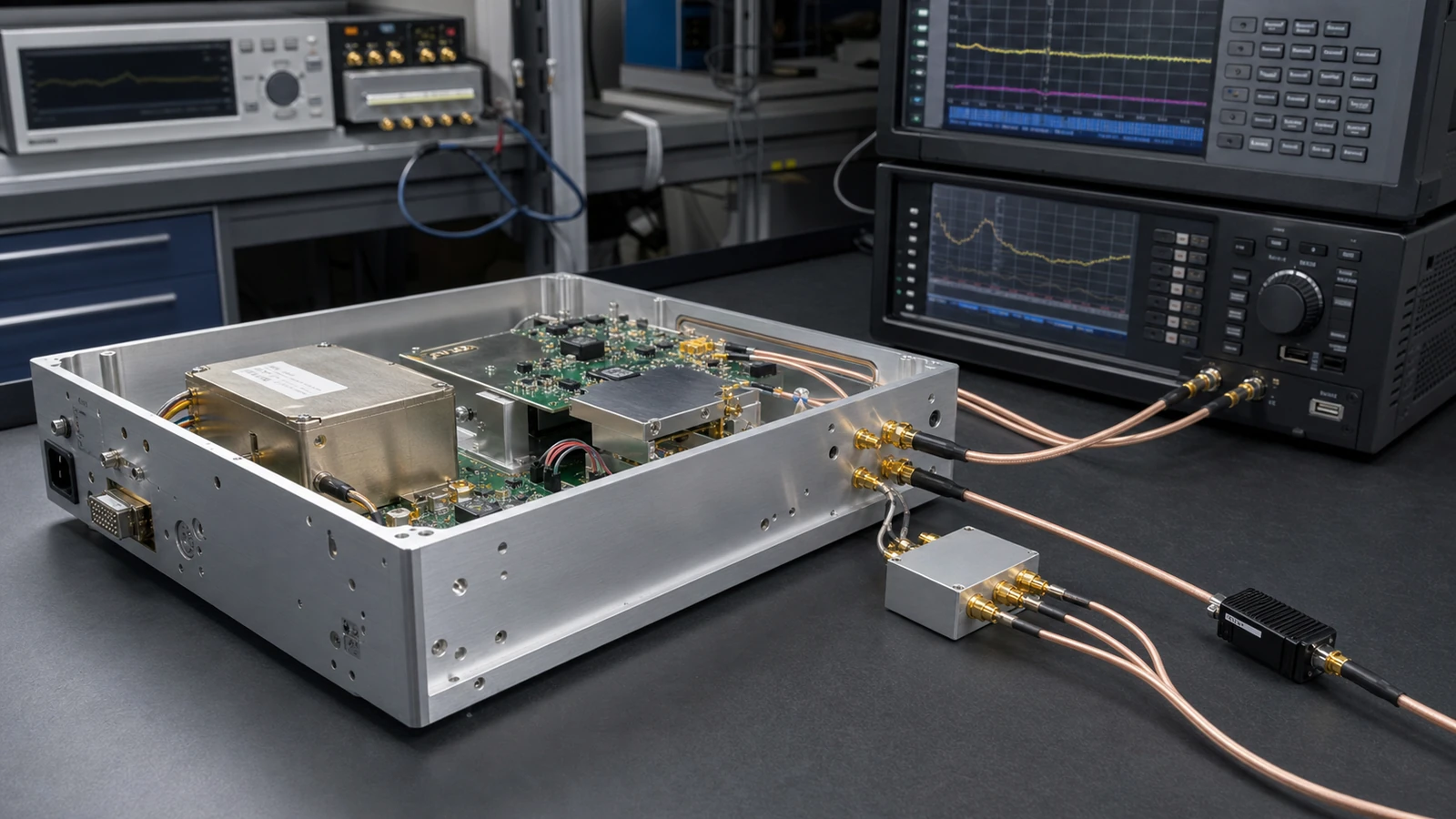
A practical method for turning carrier, tuning, spectral-purity, reference-stability, switching and phase-coherence needs into an RF source specification that can be measured and accepted.
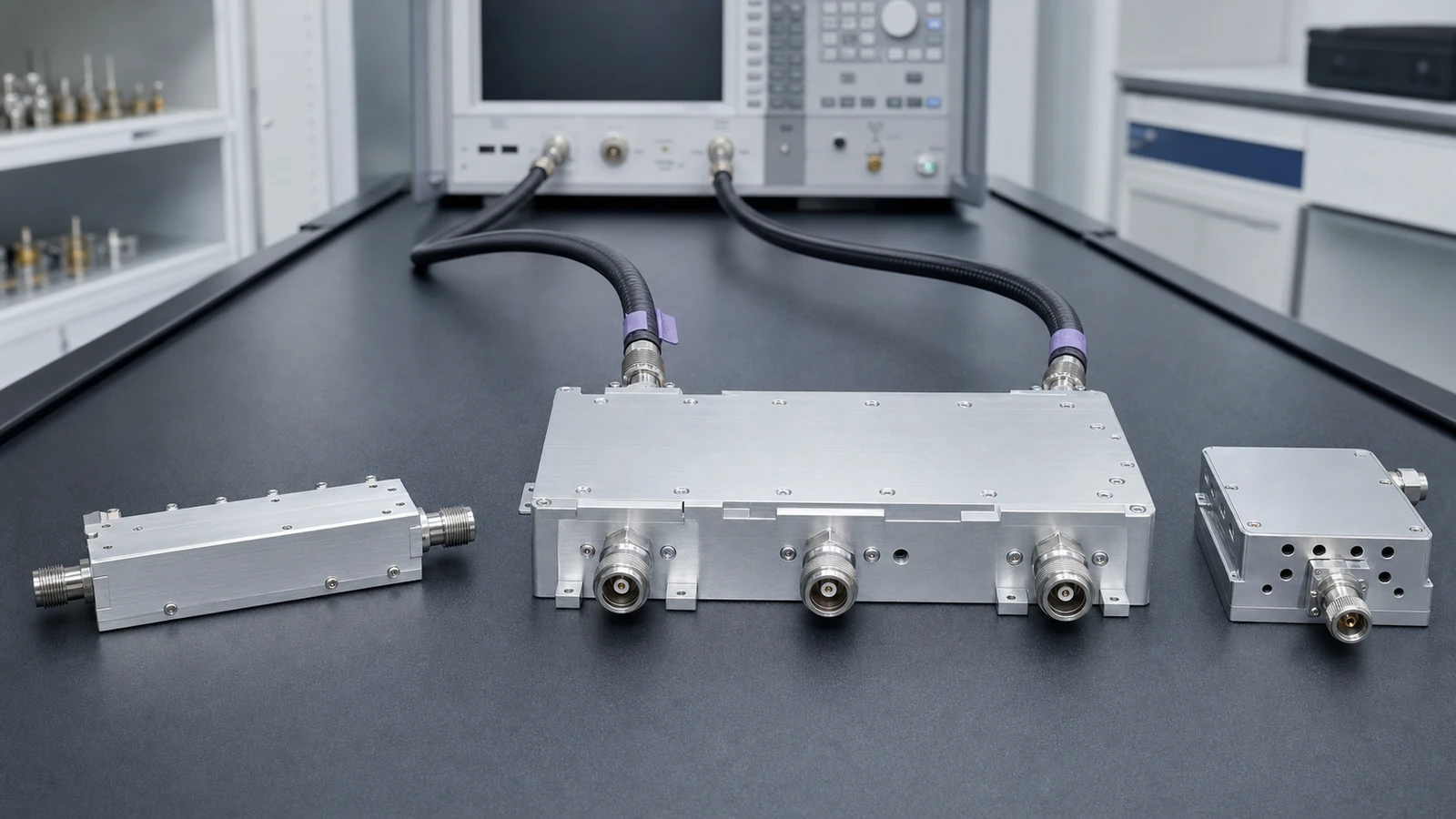
A field-ready method for turning channel plans, blockers, waveform limits, shared-antenna states and thermal conditions into an RF filter or duplexer specification that can be measured and accepted.
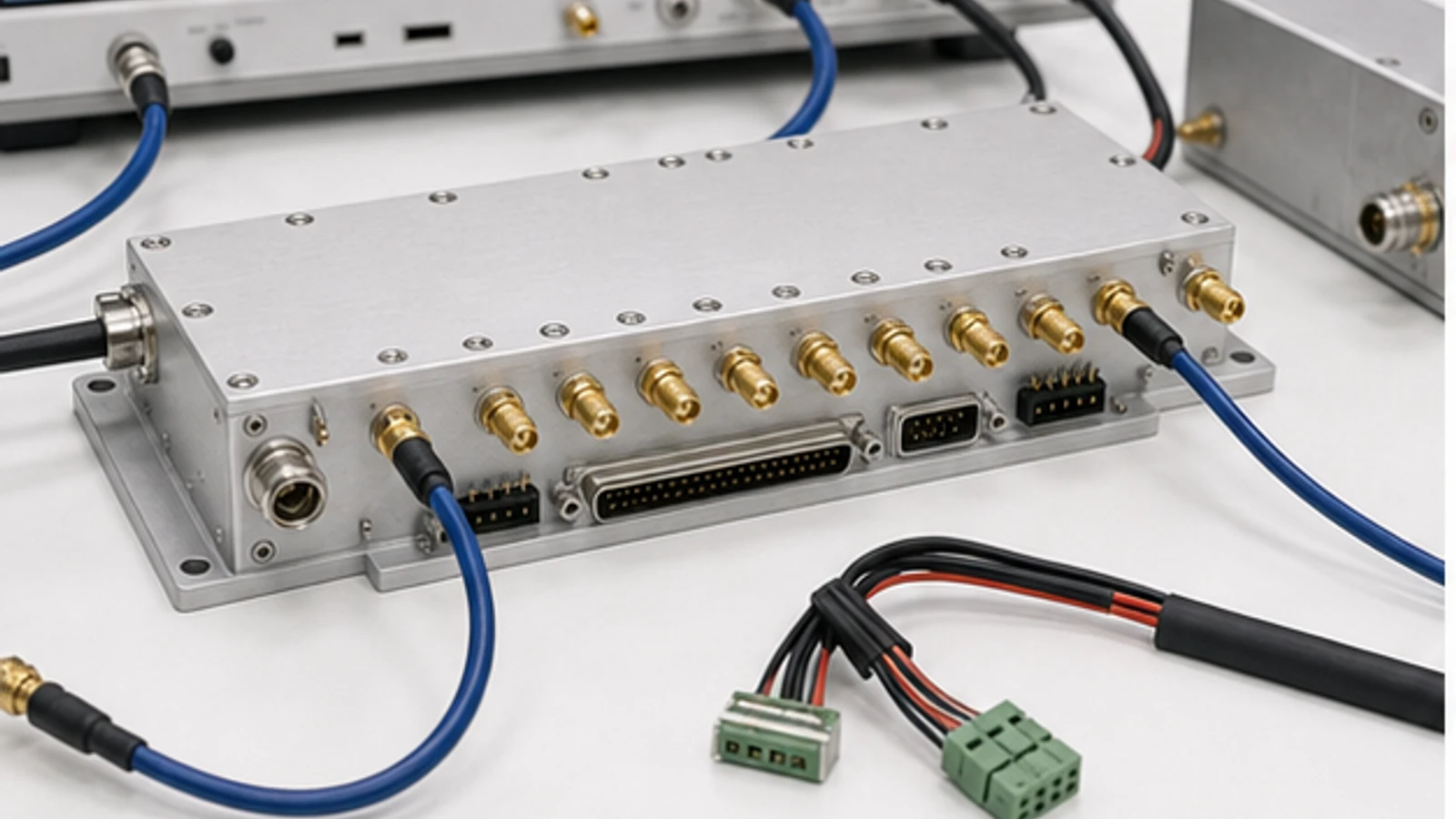
A practical method for turning route states, frequency coverage, leakage limits, waveform power, switching sequence and control interfaces into an RF switch or matrix specification that can be verified path by path.
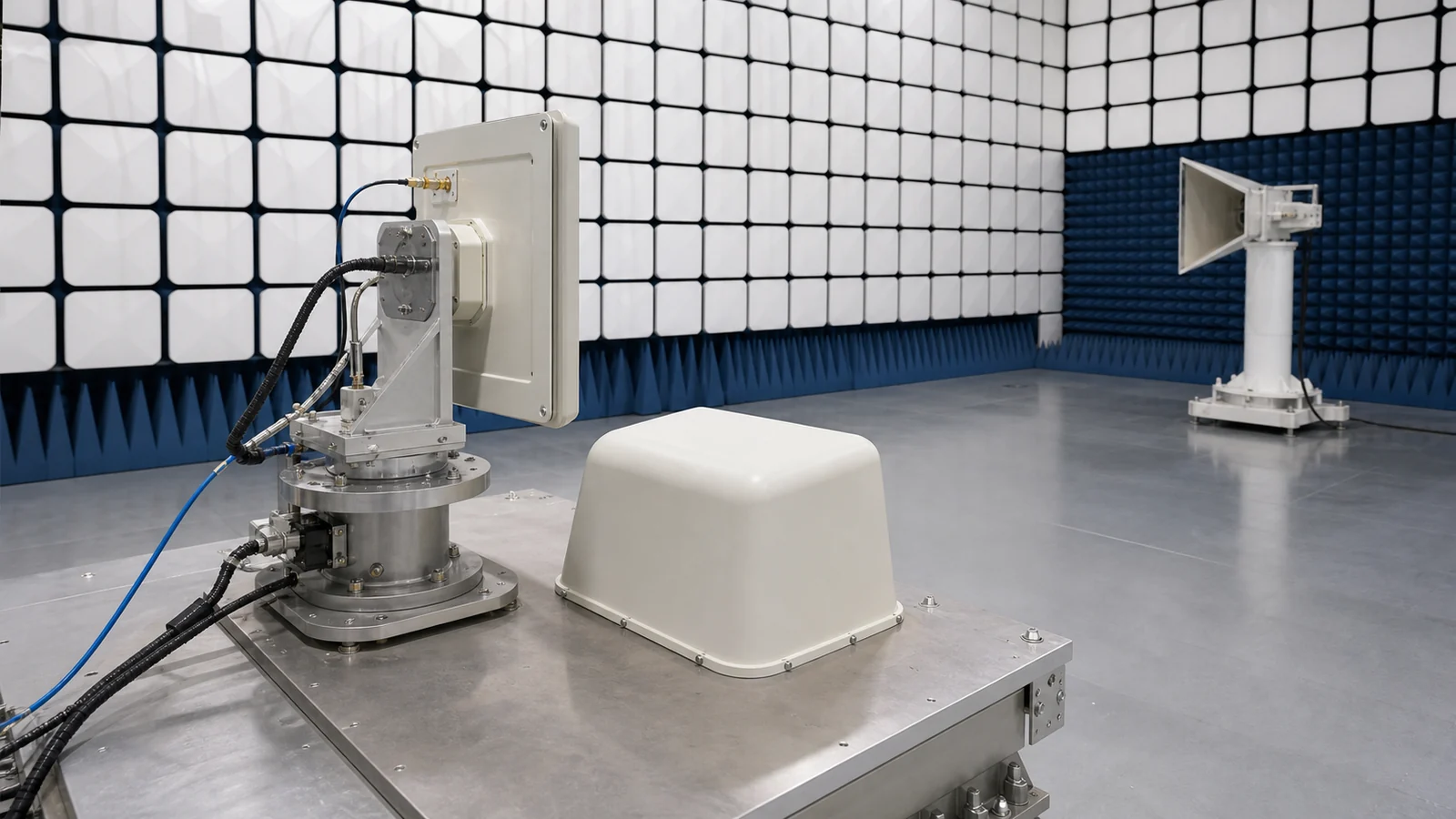
A practical antenna-selection method that turns operating band, angular coverage, gain pattern, polarization, port match, waveform power, mounting environment and measurement evidence into an RFQ and acceptance plan.
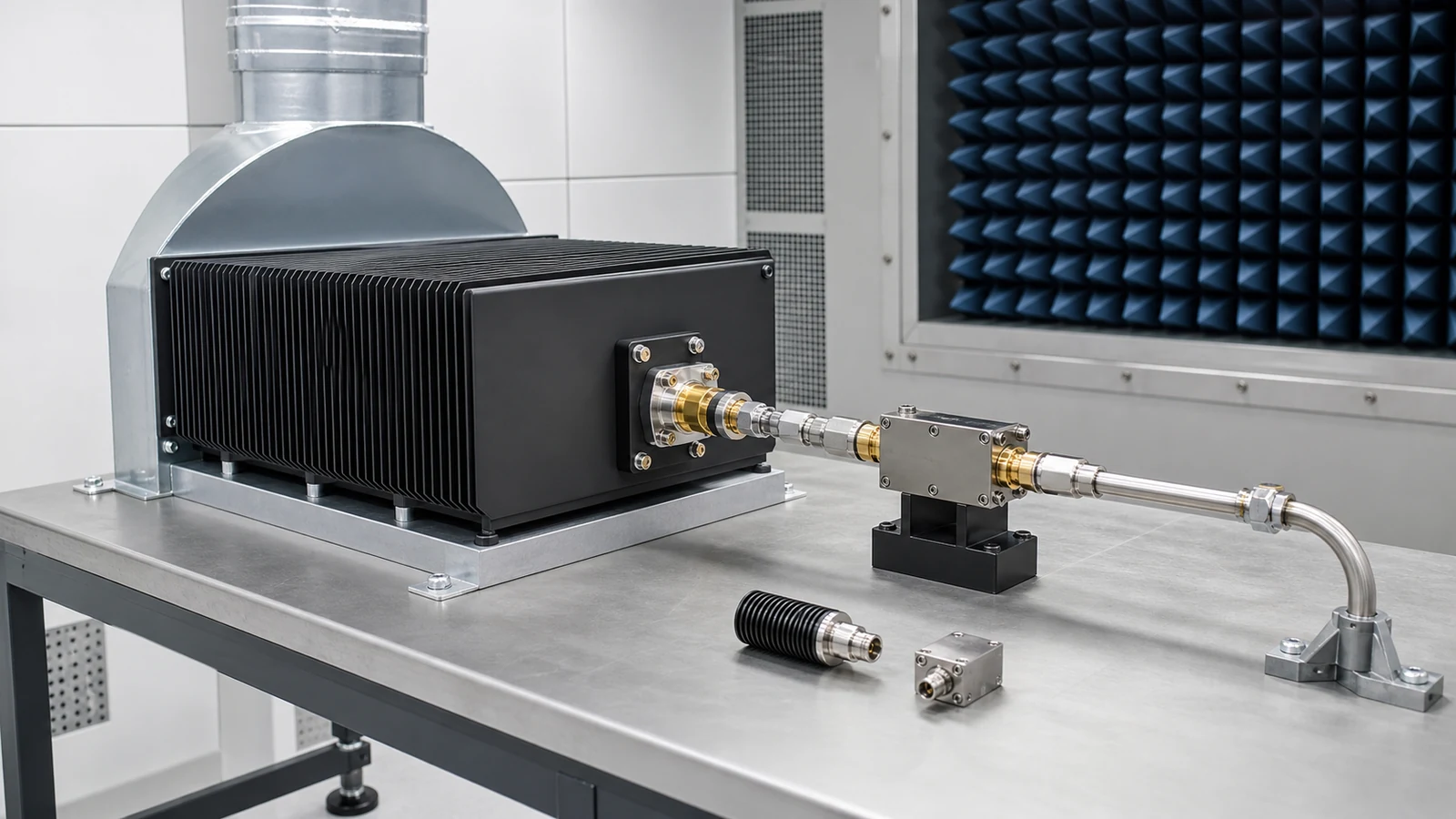
A practical method for specifying passive RF loads, terminations and impedance networks by function, reference plane, complex impedance, reflection, insertion loss, waveform power, thermal derating, environment and acceptance evidence.
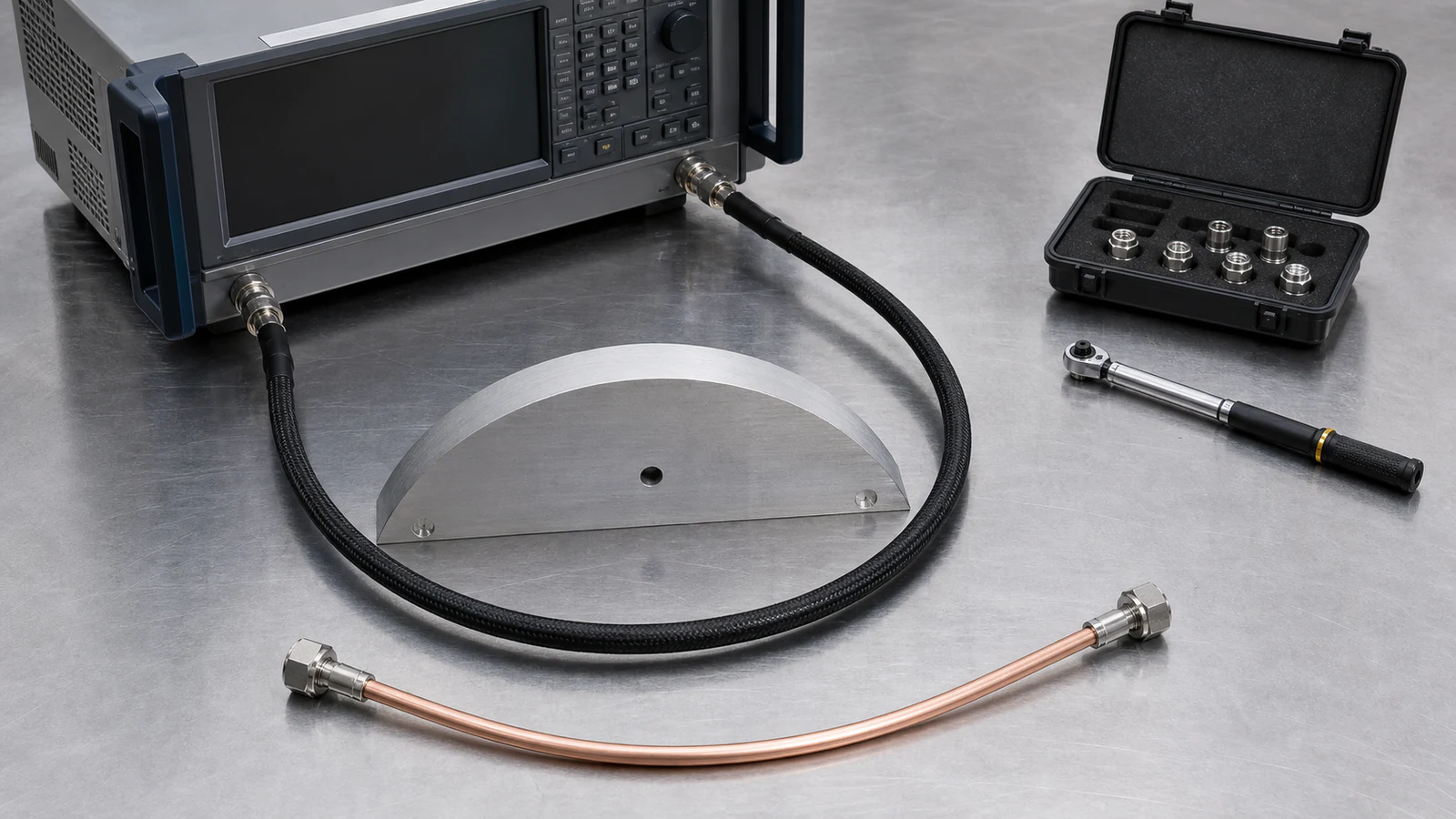
A field-ready method for specifying RF and microwave coaxial cable assemblies by topology, calibrated reference planes, insertion loss, return loss, power, phase and amplitude stability, delay, shielding, bend limits, connector control, environment and acceptance evidence.