
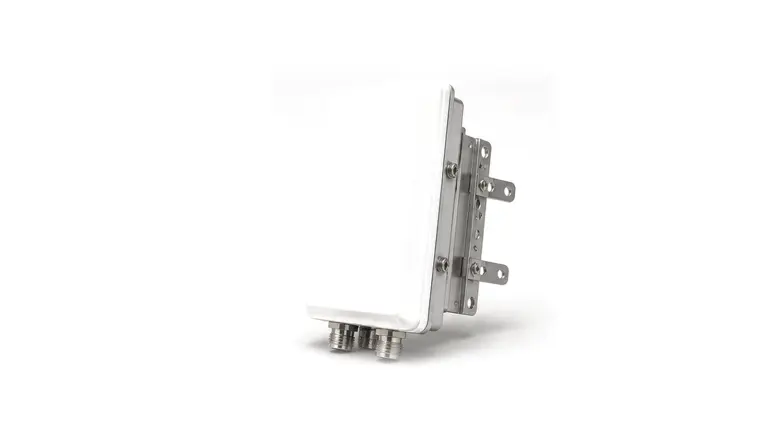
Cellular Base Station RF Hardware
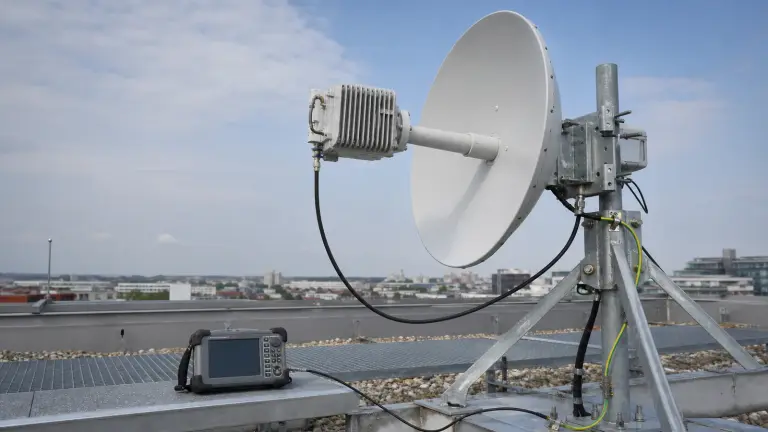
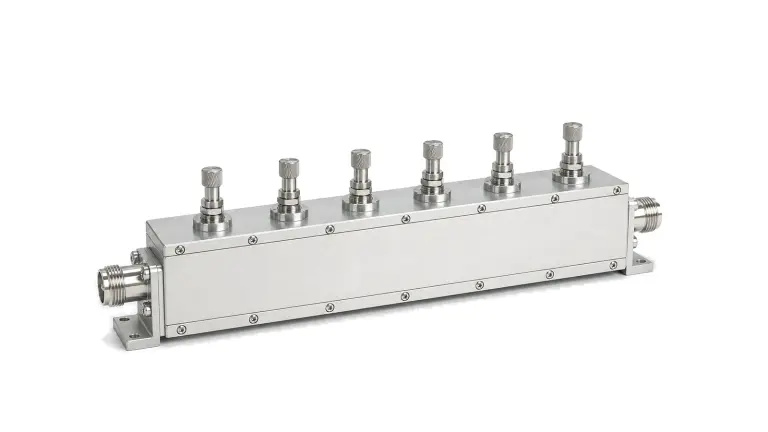
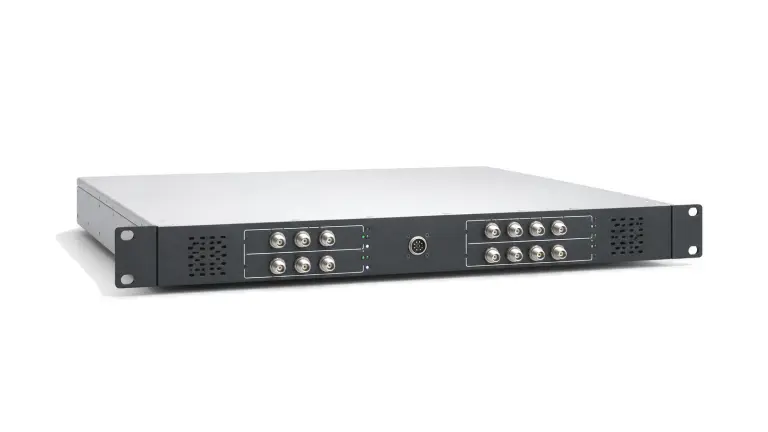
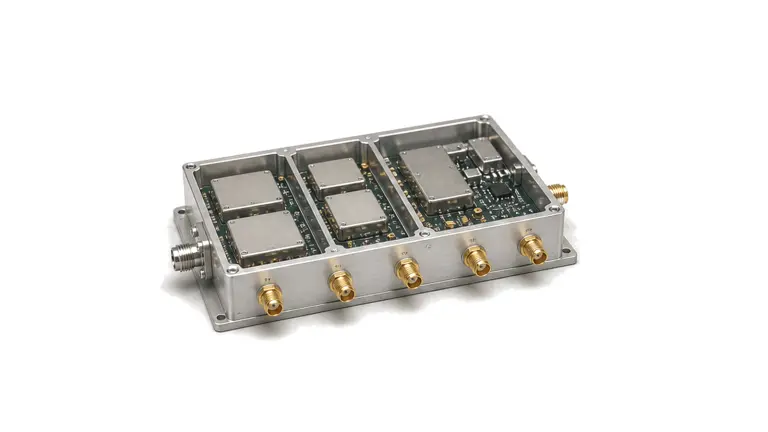
Cellular infrastructure connects baseband processing, radio units, filters, power amplifiers, low-noise receive paths, timing references and antenna interfaces. The RF path must keep transmit power, receive sensitivity, filtering and synchronization consistent across sector, small-cell or distributed radio deployments.
Engineering context
Relevant data includes operating band, channel bandwidth, output power, linearity, receive noise, duplexing method, timing reference, thermal margin, connector interface and site installation limits.
What RF hardware is required for Cellular Base Stations & 5G/6G Infrastructure?
Cellular infrastructure connects RF transmit and receive paths between baseband equipment, radio units, filters, power amplifiers, antennas and timing references.
How is an RF signal chain designed for Cellular Base Stations & 5G/6G Infrastructure?
A link-engineering method for turning service bandwidth, availability, EIRP, propagation, receiver sensitivity, duplexing and waveform quality into RF hardware limits that can be designed and verified.
- Start with the service and availability target, not a component list
- Freeze the link contract in measurable terms
- Draw the power and signal reference planes before calculating margin
Which RF specifications matter for Cellular Base Stations & 5G/6G Infrastructure?
Relevant data includes operating band, channel bandwidth, output power, linearity, receive noise, duplexing method, timing reference, thermal margin, connector interface and site installation limits.
How do you test and verify RF hardware for Cellular Base Stations & 5G/6G Infrastructure?
Freeze the service, frequency allocation, channel bandwidth, duplex mode, path geometry and availability target before selecting RF components. Build the transmit and receive budgets at named reference planes; separate free-space loss from rain, obstruction, multipath, polarization, pointing and implementation margins; derive receiver sensitivity from bandwidth, noise figure and the required demodulation performance; then allocate transmitter linearity, filtering, conversion, isolation, thermal and acceptance limits to each RF stage. A component list is not a link specification until every value has a direction, operating state, reference plane and verification method.
How to Translate a Wireless Link Requirement into an RF Front-End Specification