Qualification boundary
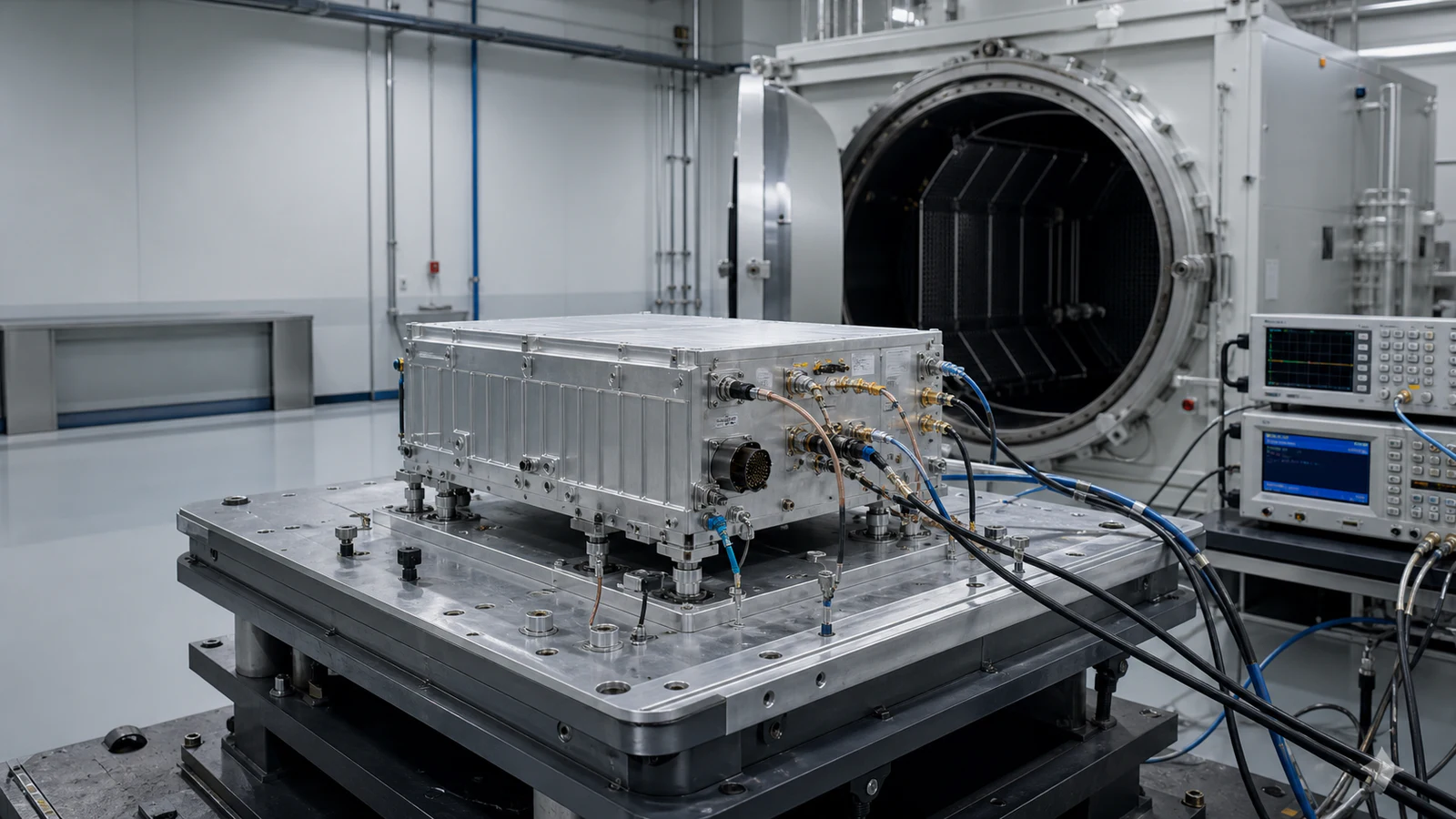
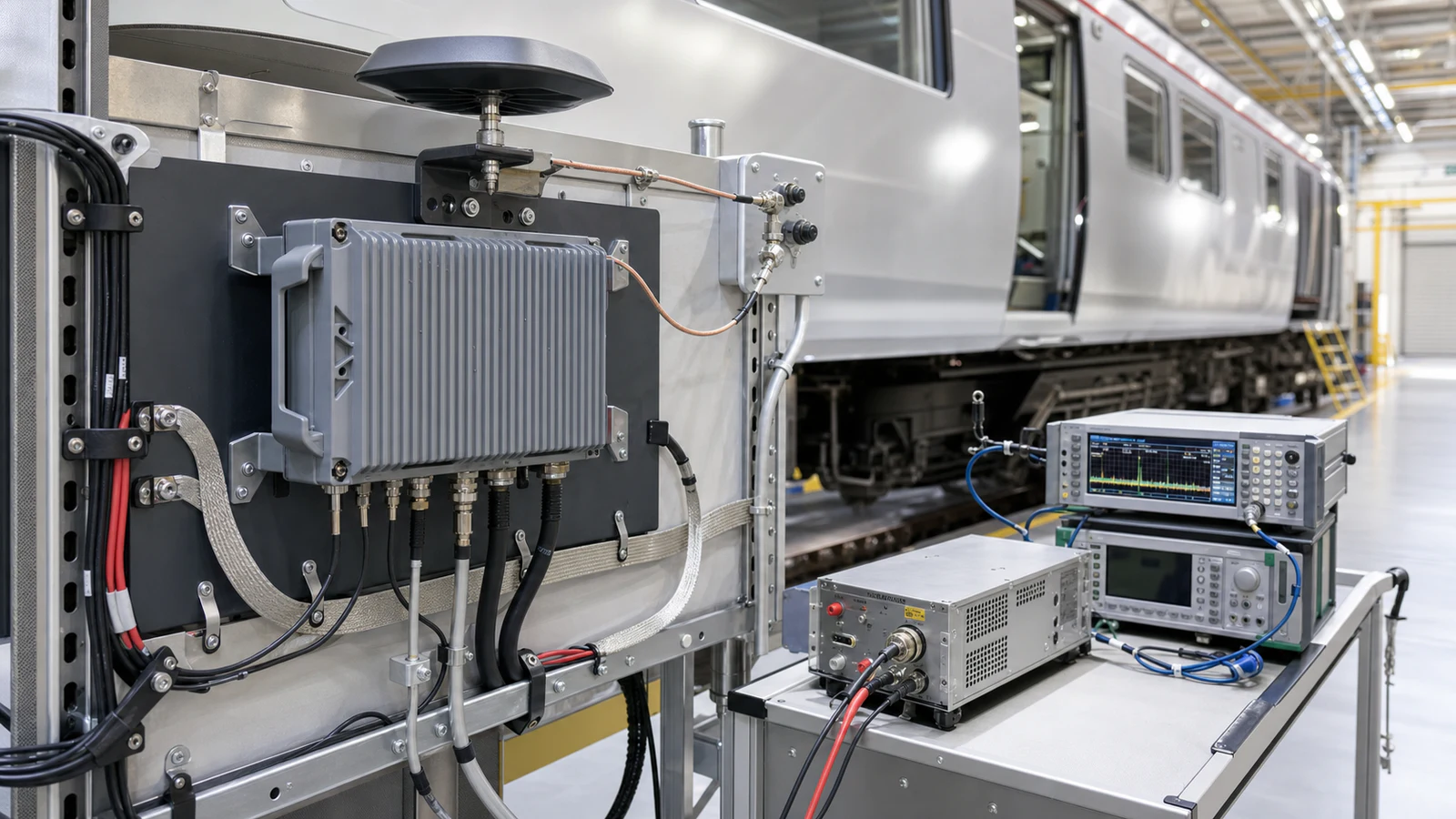
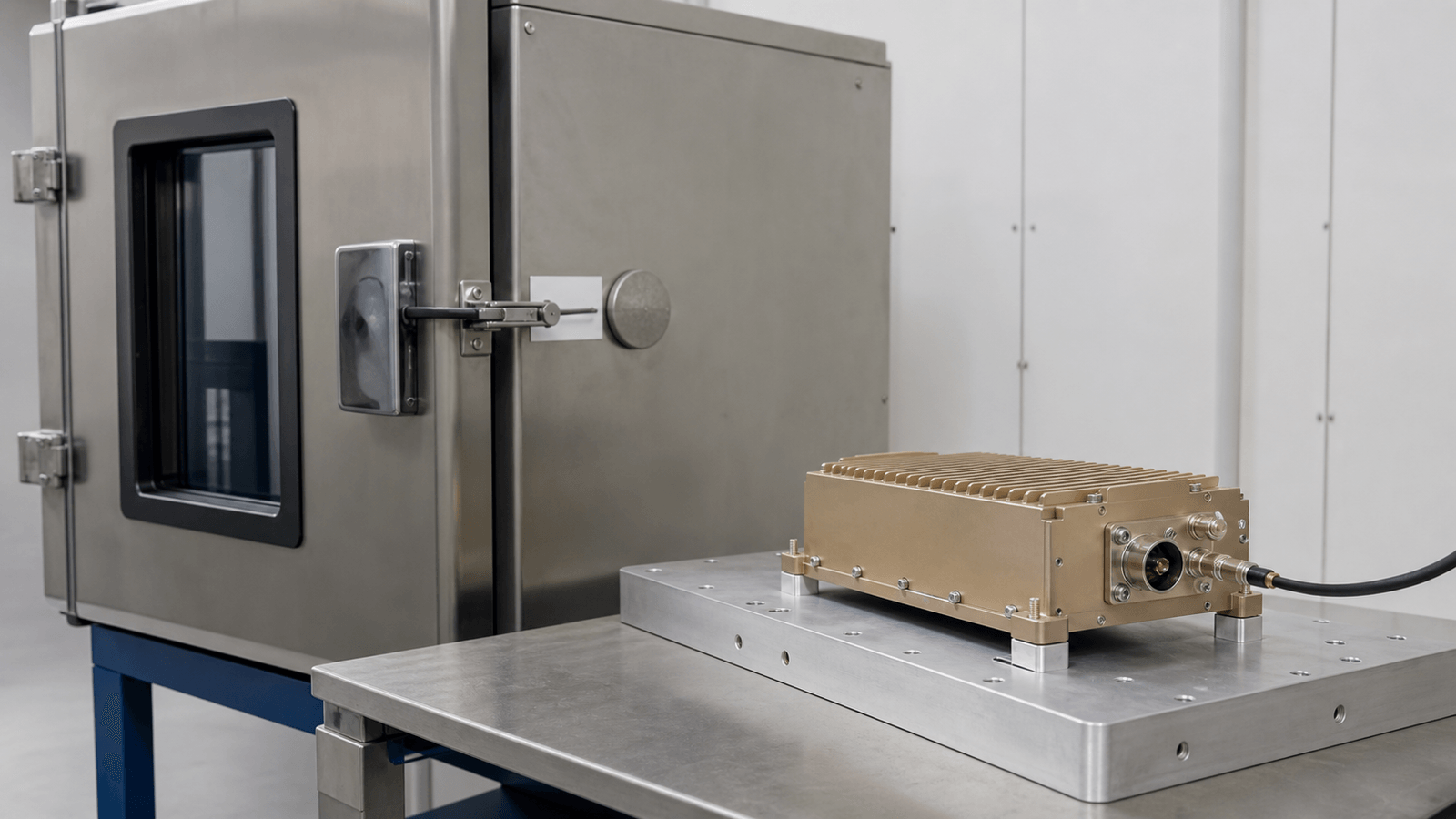
Rugged RF module qualification reviews whether an RF assembly can keep its electrical and mechanical behavior within the expected operating envelope after exposure to installation stress, temperature range, vibration and handling conditions.
What is reviewed
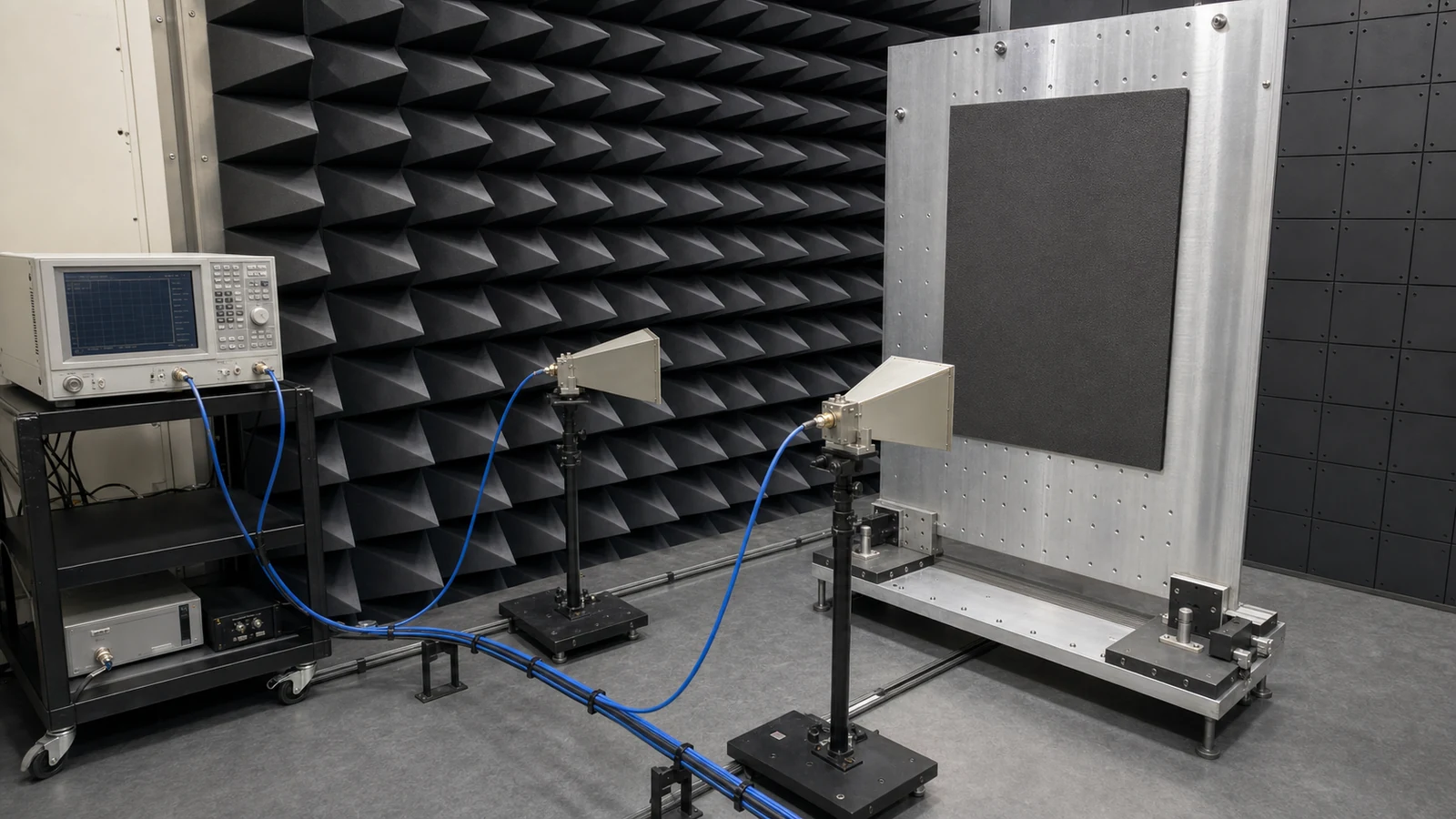
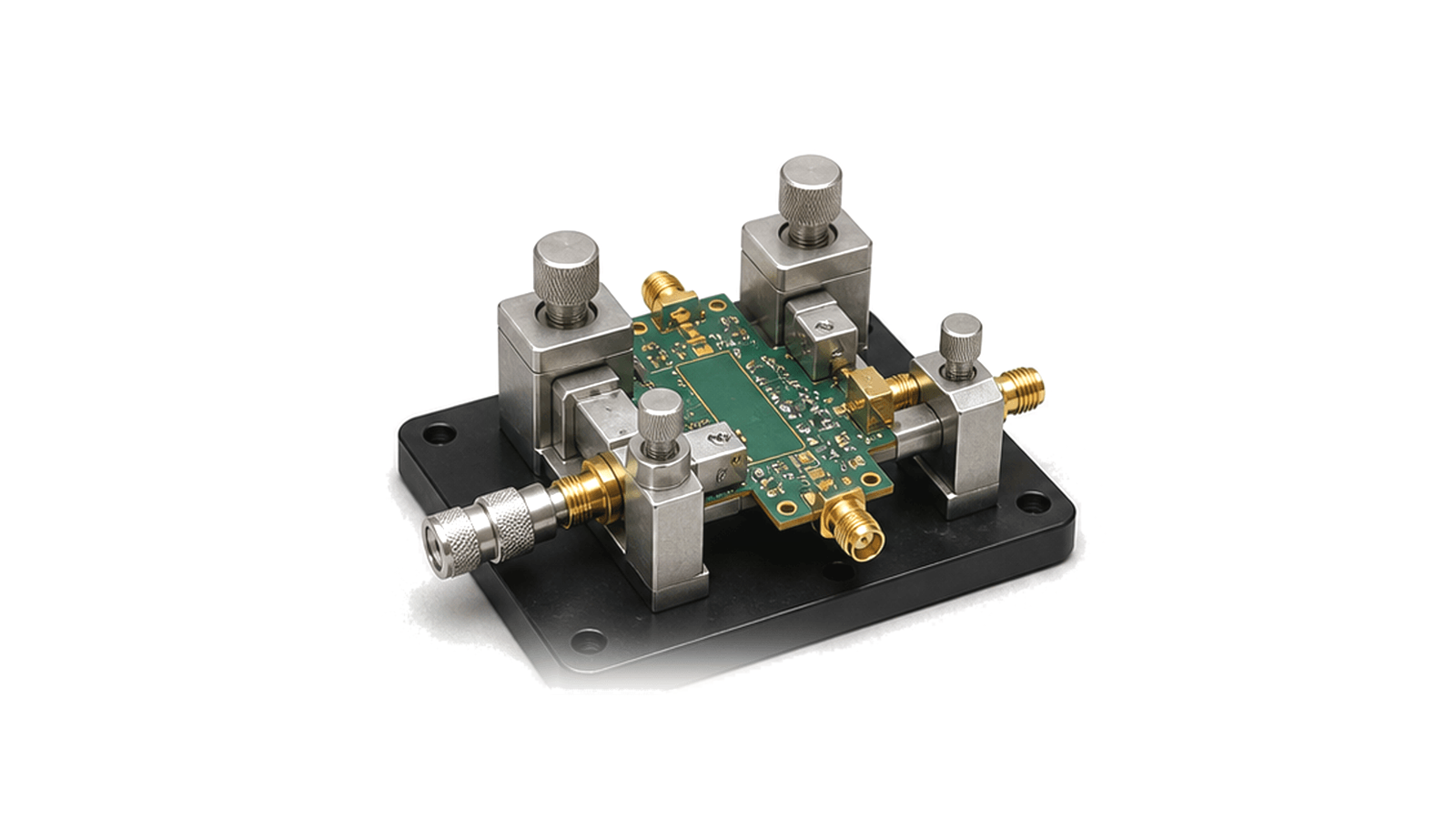
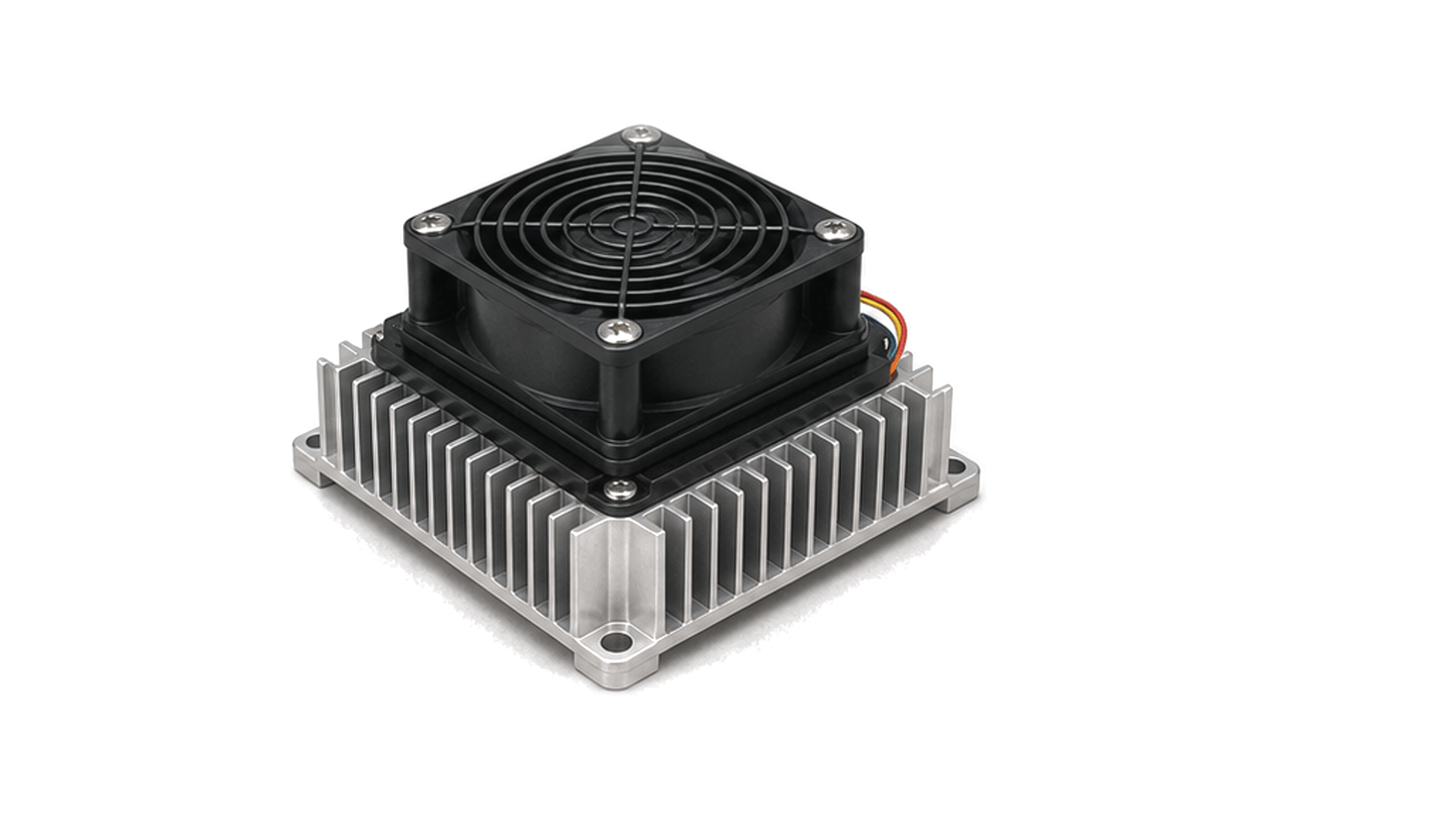
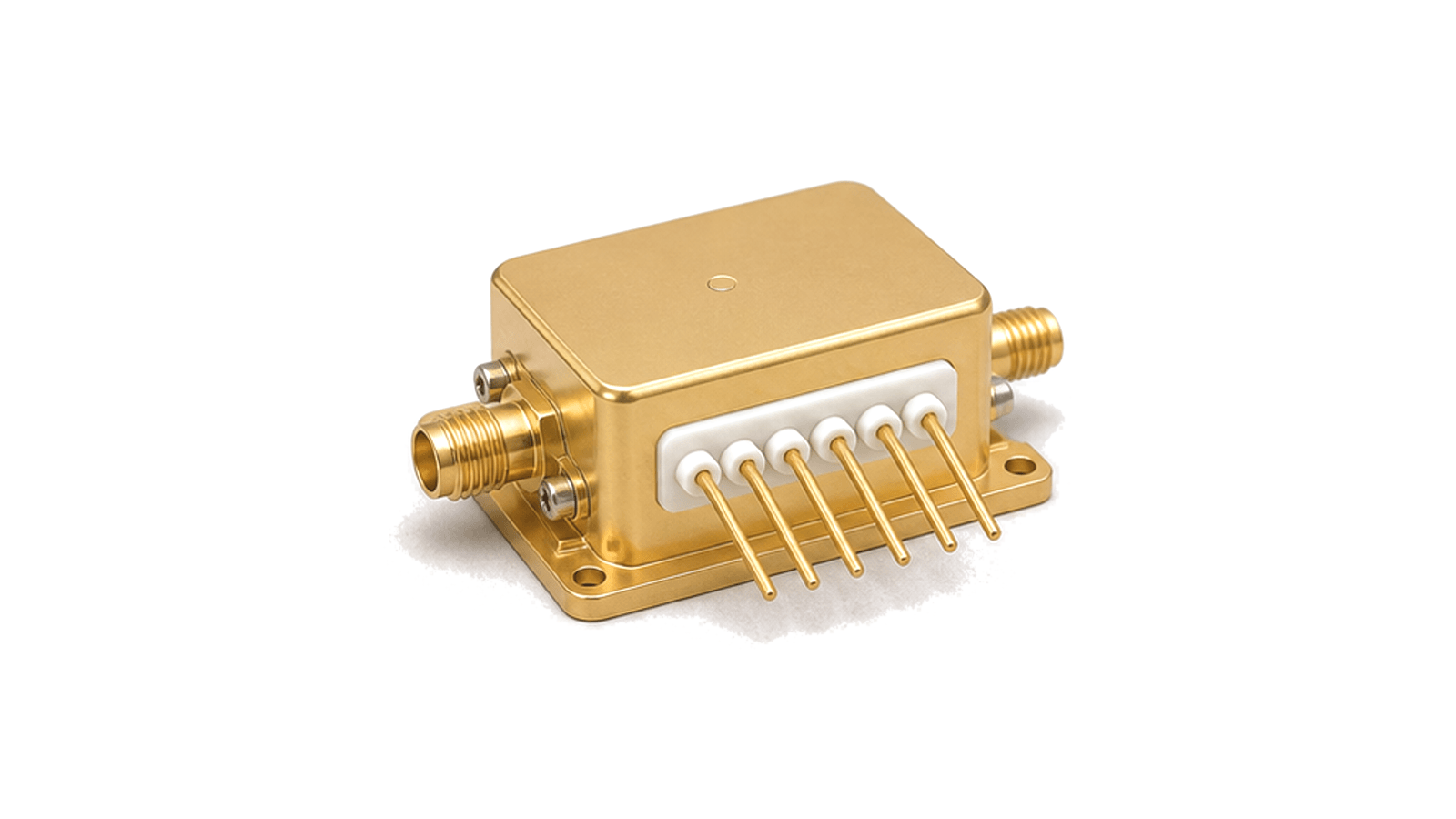
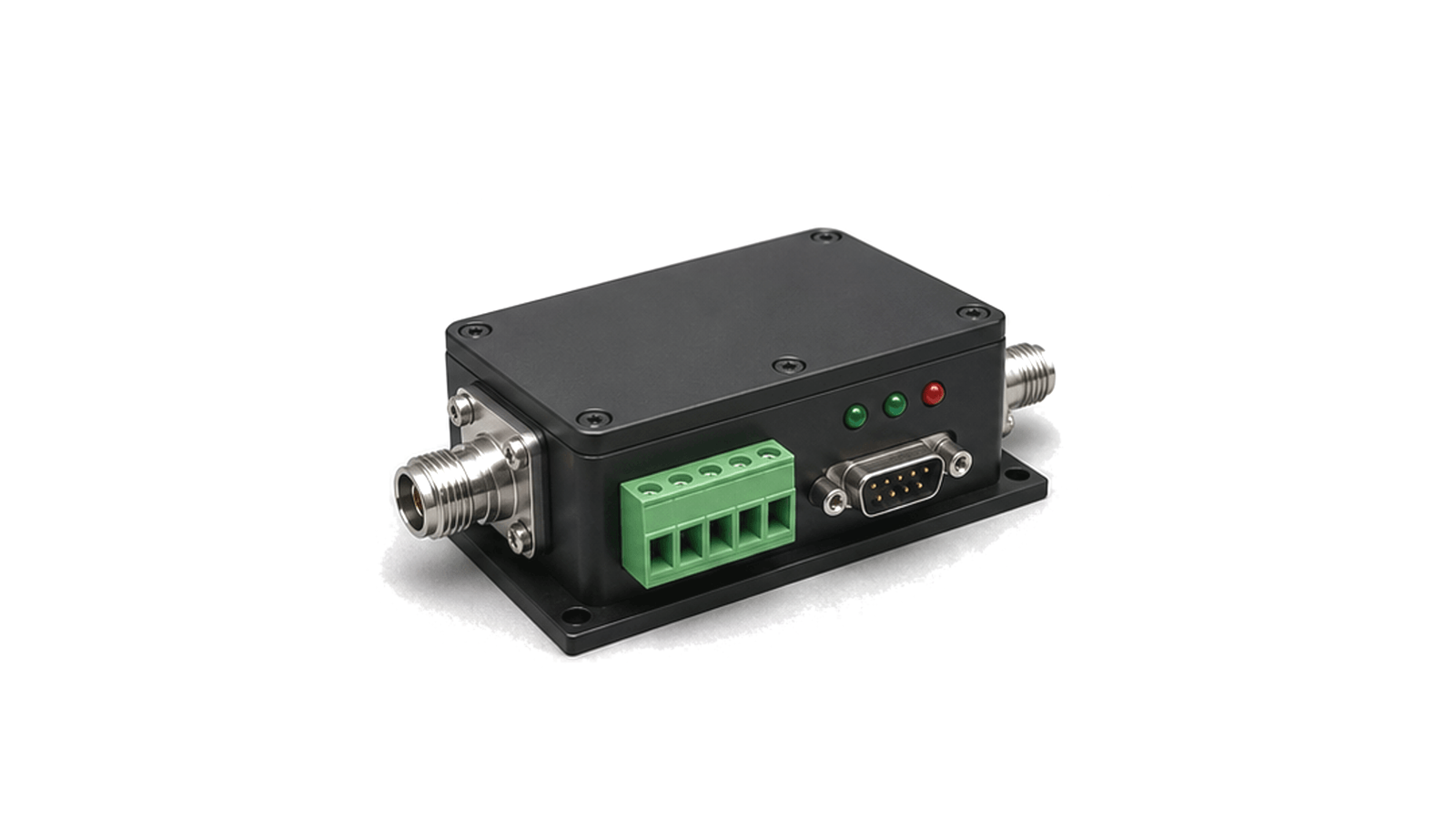
The work focuses on thermal path, enclosure integrity, connector strain, mounting points, cable exit, monitoring behavior and RF performance before and after stress. The same module may pass electrical tests at room temperature but still need review under mechanical or thermal loading.
Useful evidence
Useful evidence includes operating temperature, storage temperature, vibration profile, mounting method, connector torque, sealing requirement, power dissipation, test sequence, acceptance limits and measured RF data after the qualification run.
Build one traceable requirement and evidence chain
- Rugged RF Module Qualification architecture
- Define the mission profile, item boundary and assurance decision Name the item being procured: component, converter, amplifier, line-replaceable unit, payload electronics assembly, ground-support unit or installed subsystem....
- Rugged RF Module Qualification design requirements
- Define the mission profile, item boundary and assurance decision Name the item being procured: component, converter, amplifier, line-replaceable unit, payload electronics assembly, ground-support unit or installed subsystem....
- Rugged RF Module Qualification integration
- Freeze every interface and allocate RF performance at named planes Create an interface control set for RF ports, DC input, enable and protection, telemetry, data, timing and reference signals, grounding and bonding, connectors, harnesses, cooling and mounting datums....
- Rugged RF Module Qualification test and verification
- Build the verification flow before the first qualification article
How to Specify RF Hardware for Aerospace, Defense and Space Programs
Turn a mission profile into an executable RF hardware requirement by freezing interfaces, operating modes, environmental exposure, component assurance, verification article pedigree, configuration control, obsolescence and delivery evidence.