
LCRF

Privacy preferences

Choose optional purposes independently. You can change or withdraw your choice at any time from the footer.

Strictly necessary

Required for security, session functions and storing your privacy choice.

Always active
Preferences

Remembers optional display or language settings when these features are enabled.

Analytics

Uses first-party visitor and session identifiers to measure pages, referrals and inquiry interactions.

Marketing

Allows marketing measurement or third-party advertising technologies if they are introduced in the future.

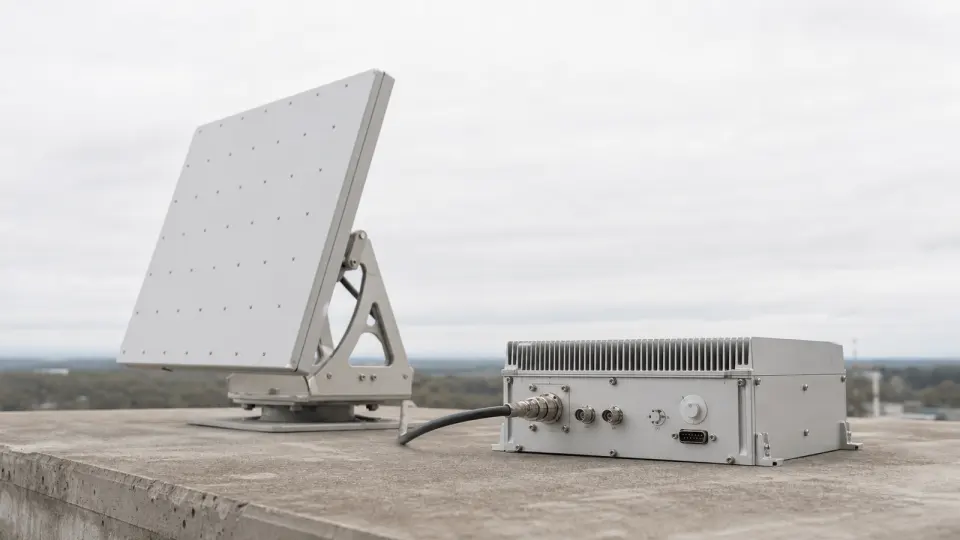
Spectrum Monitoring Receiver Front End

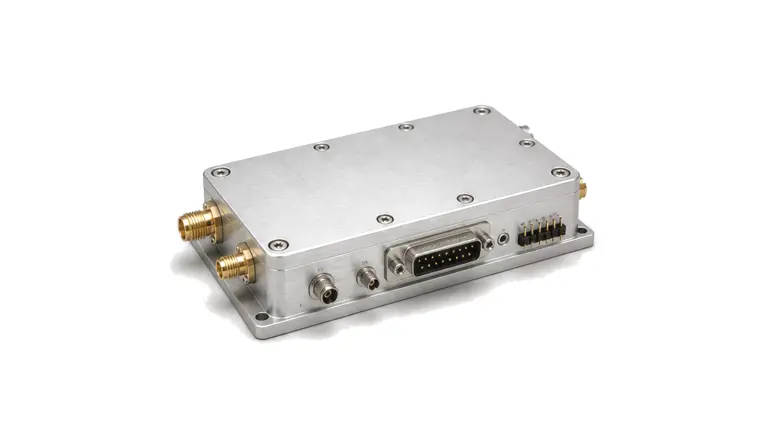
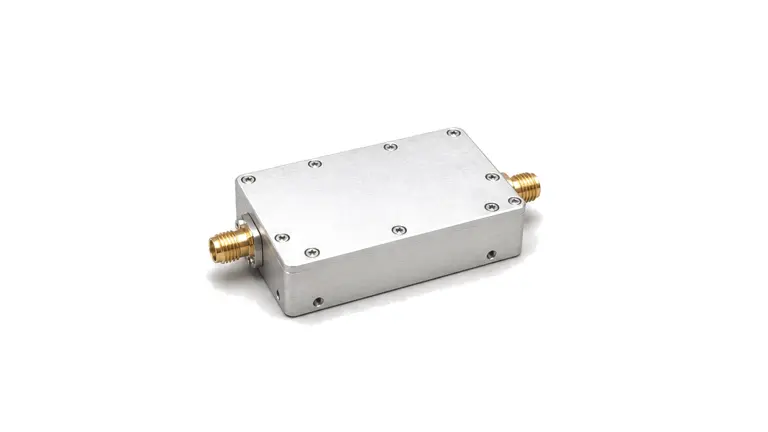
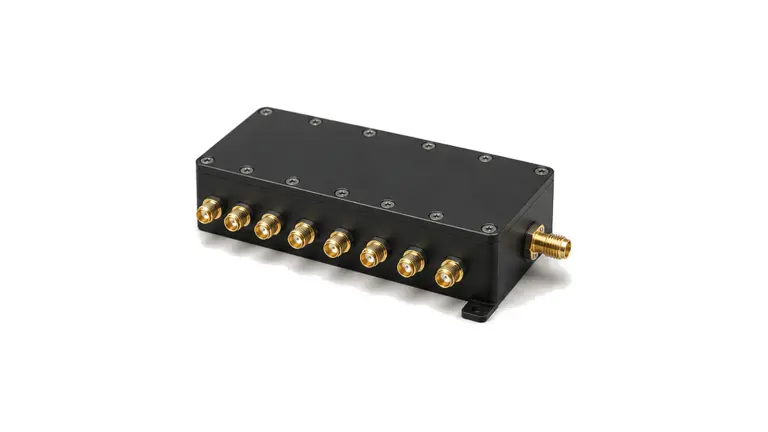
Spectrum monitoring receiver front ends condition wideband RF inputs before analysis, combining protection, filtering, gain control and frequency conversion for monitoring receivers.

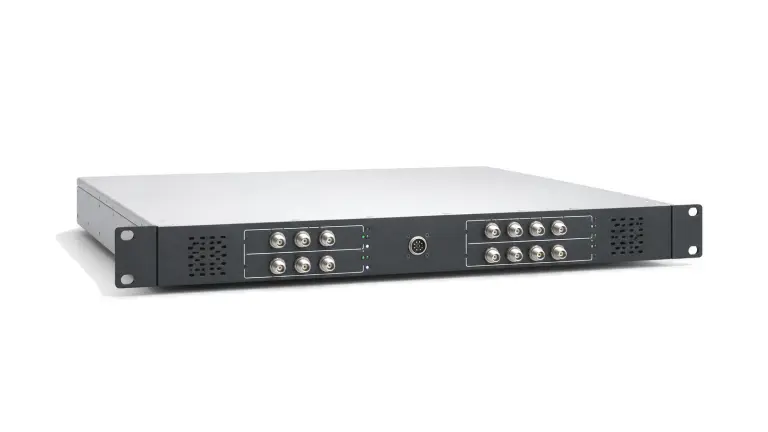
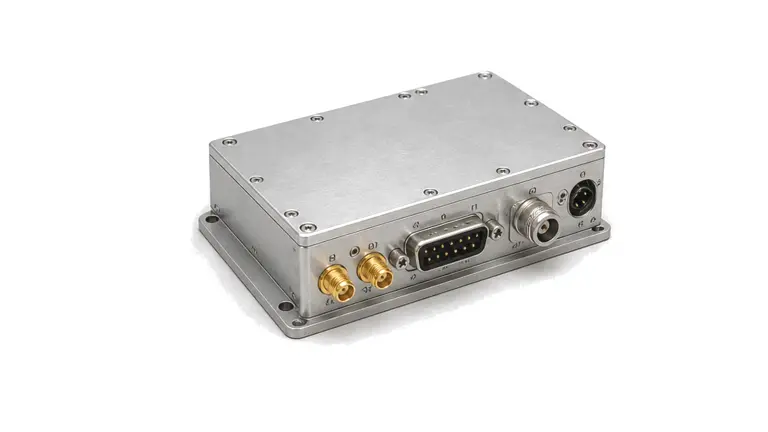
Spectrum Monitoring Receiver Front End RF solution visual

Spectrum monitoring receiver front ends

A spectrum monitoring receiver front end sits between the antenna or RF input network and the receiver analysis chain. It prepares unknown or changing signals so the downstream receiver can measure activity across the required frequency range.

System role

The front end may include input protection, switched filters, low-noise gain, attenuation, frequency conversion and monitoring receiver interfaces. The useful design boundary is the complete input path, not a single component.

Engineering focus

Frequency coverage, instantaneous bandwidth, sensitivity, overload behavior, image control, spurious response and connector loss should be considered together because they directly affect what a monitoring receiver can detect and record.

Treat spectrum monitoring as an evidence chain

Spectrum Monitoring Receiver Front End architecture
Define the monitoring mission before choosing receiver bandwidth
Spectrum Monitoring Receiver Front End design requirements
Freeze the antenna, site and input reference plane
Spectrum Monitoring Receiver Front End integration
Allocate sensitivity and strong-signal tolerance together
Spectrum Monitoring Receiver Front End test and verification
Turn monitored span into a realizable coverage and revisit plan

Spectrum Monitoring Receiver Front Ends: Dynamic Range, Scan Coverage and Verification

Specify a spectrum-monitoring receiver from antenna coverage to recorded evidence by balancing weak-signal sensitivity, strong-signal tolerance, preselection, instantaneous bandwidth, RBW, dwell, revisit time, thresholds, timing and calibration.
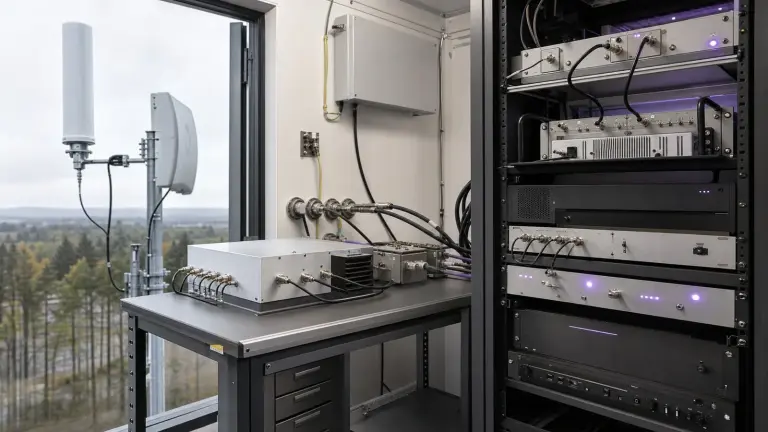
Spectrum Monitoring Receiver Front-End Specification

Articles

FAQ

How should preselection, blocker tolerance and overload limits be specified for a monitoring receiver?

Specify each band state by preselector rejection, insertion loss, gain or attenuation, noise figure, IP3 or compression, full-scale margin, overload indication and recovery under a simultaneous weak signal.

How should the simultaneous signal environment be specified for a spectrum-monitoring receiver?

Define weak signals and every simultaneous strong emitter by frequency, waveform, bandwidth, level, duty cycle, timing, antenna or conducted coupling plane and required observation outcome.

Which recording, timing and calibration interfaces belong in a spectrum-monitoring system specification?

Specify retained data, trigger and buffer behavior, complete RF metadata, time and frequency references, amplitude corrections, calibration injection, uncertainty and change-controlled export formats.

How are RBW, dwell time and scan coverage related in spectrum monitoring?

Coverage is bounded by monitored span, instantaneous bandwidth, step or FFT-bin spacing, RBW, settling and processing overhead, dwell per segment, revisit time and the duration of the event of interest.

Engineering inquiry

Share your RF requirement

Share the product, operating requirements and project context. Our engineering team will route your request to the right specialist.

AttachmentsAttach drawings, BOMs, specifications or test files. Up to 5 files, 10 MB each and 25 MB total.
or drag and dropPDF, DOCX, XLSX, CSV, TXT, JPG, PNG, S1P and S2P
Typically reviewed within one business dayProject information is handled confidentially