RF front-end hardware for signal observation
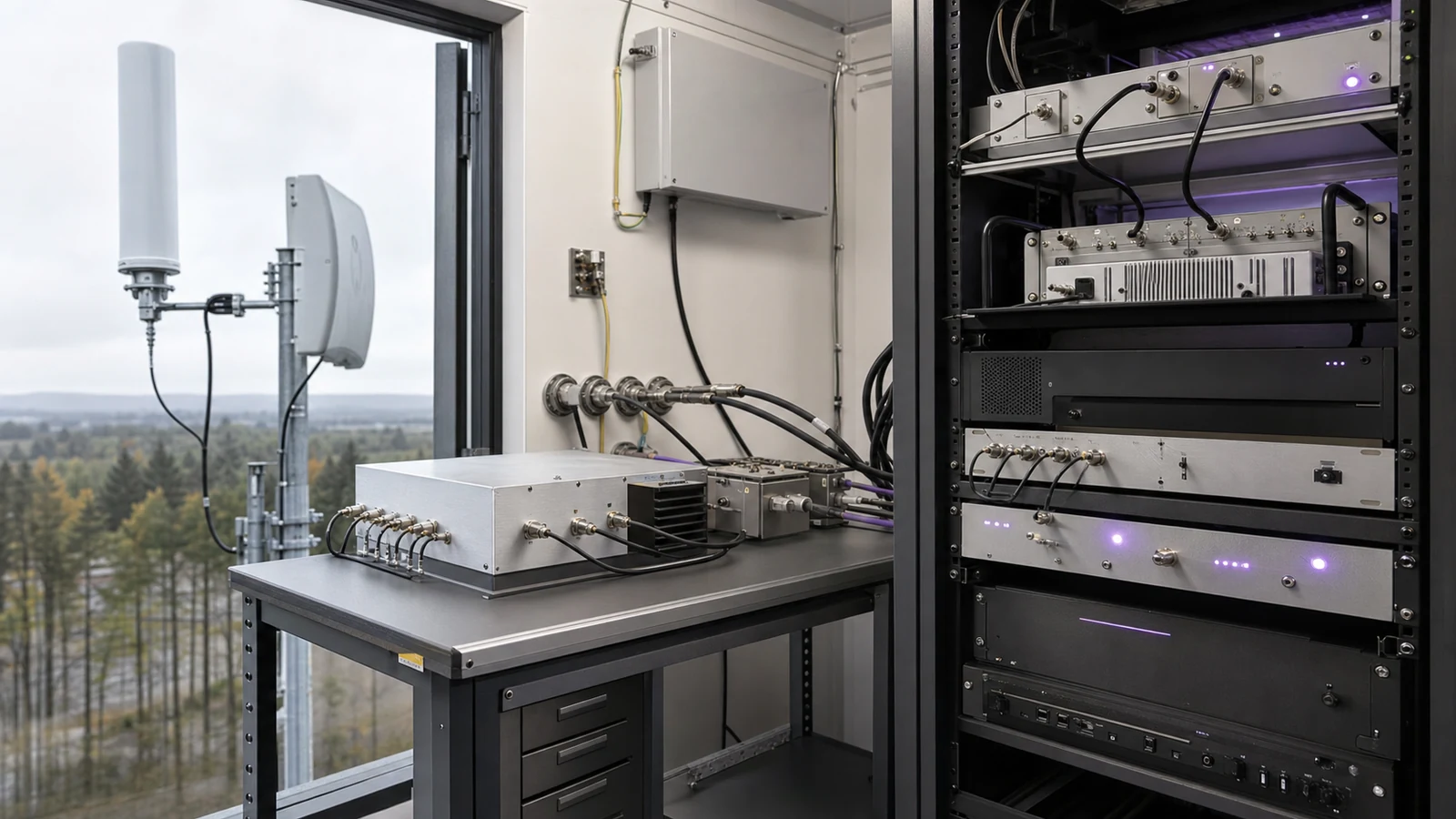
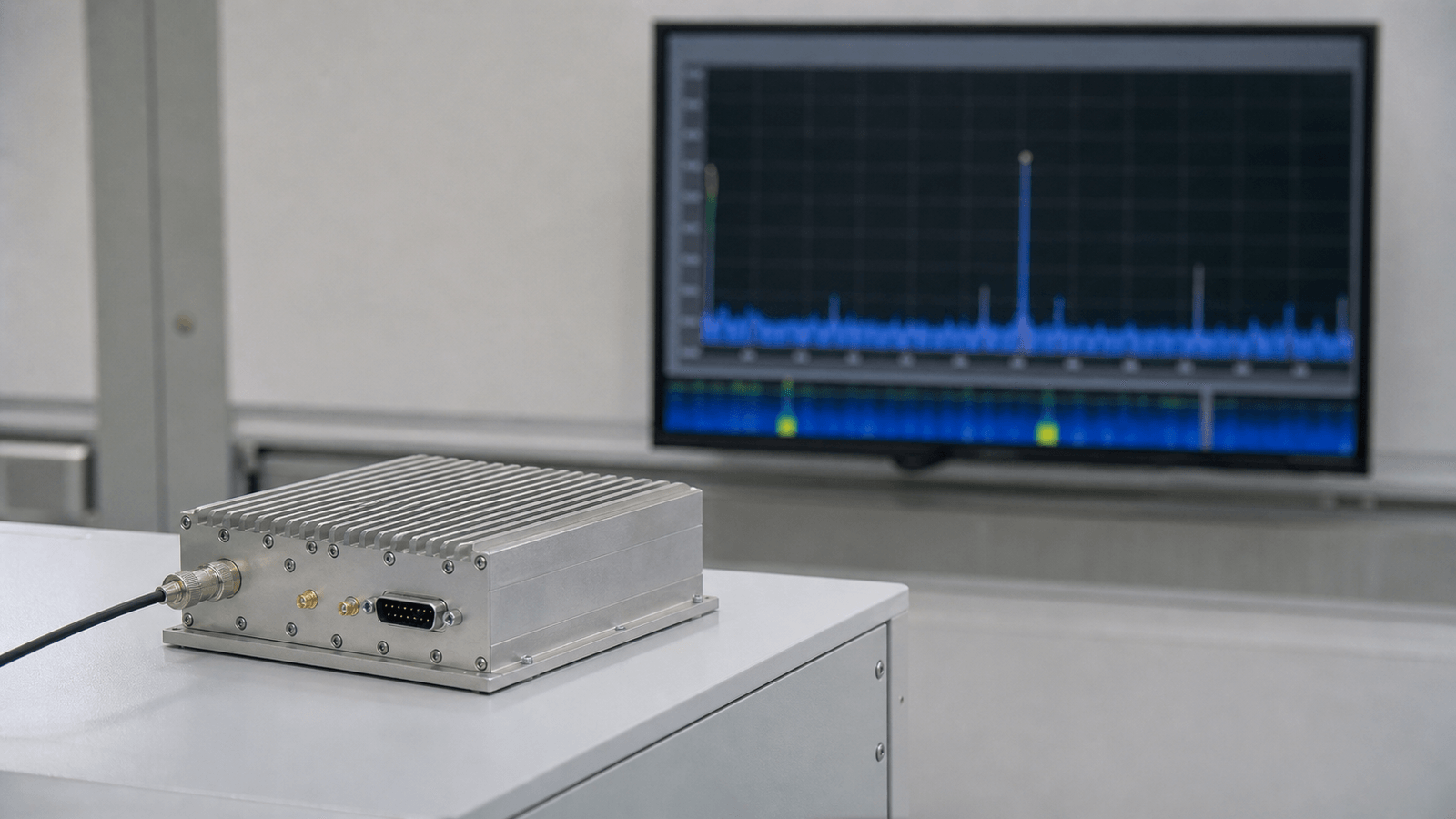
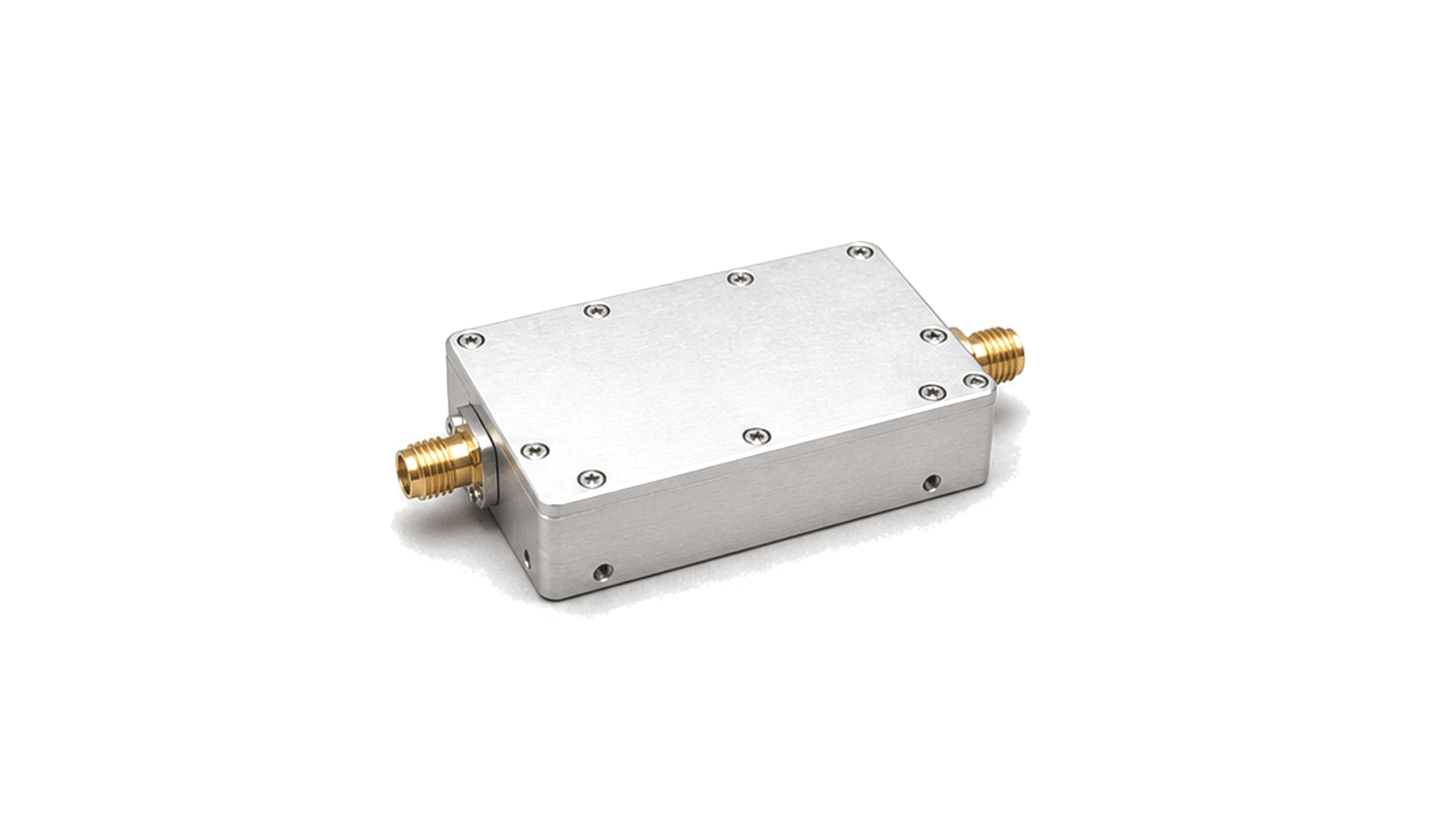
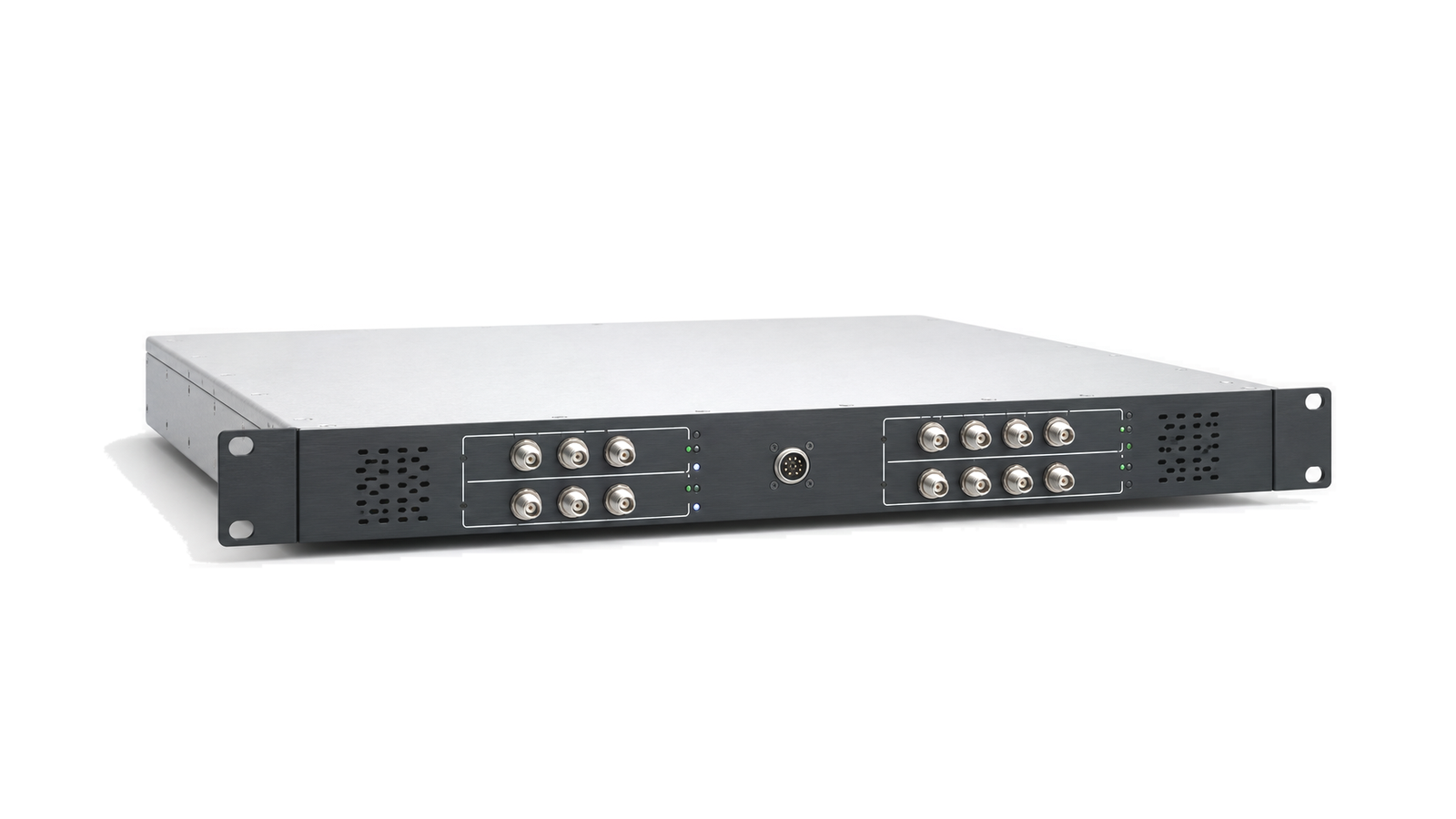
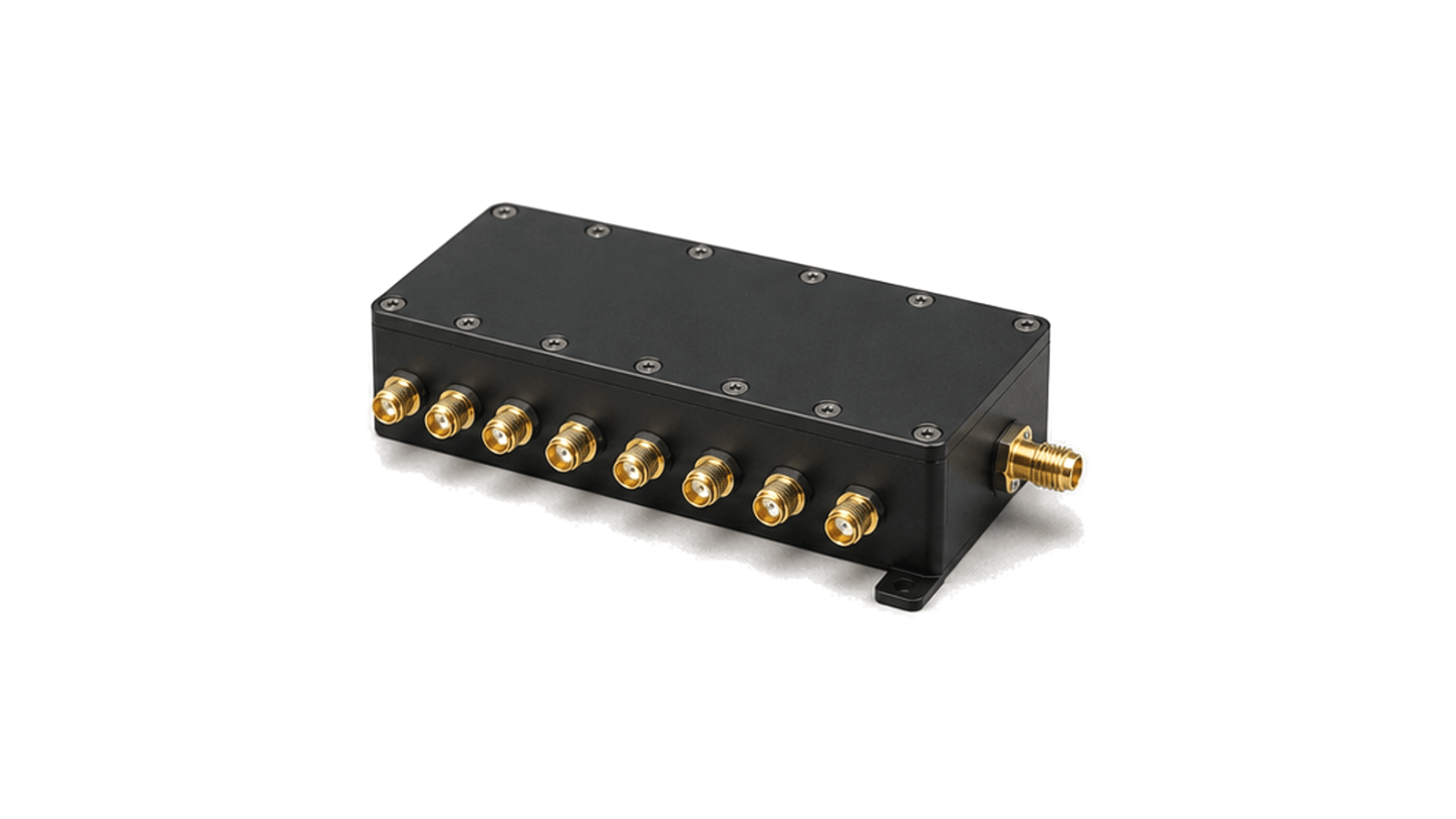
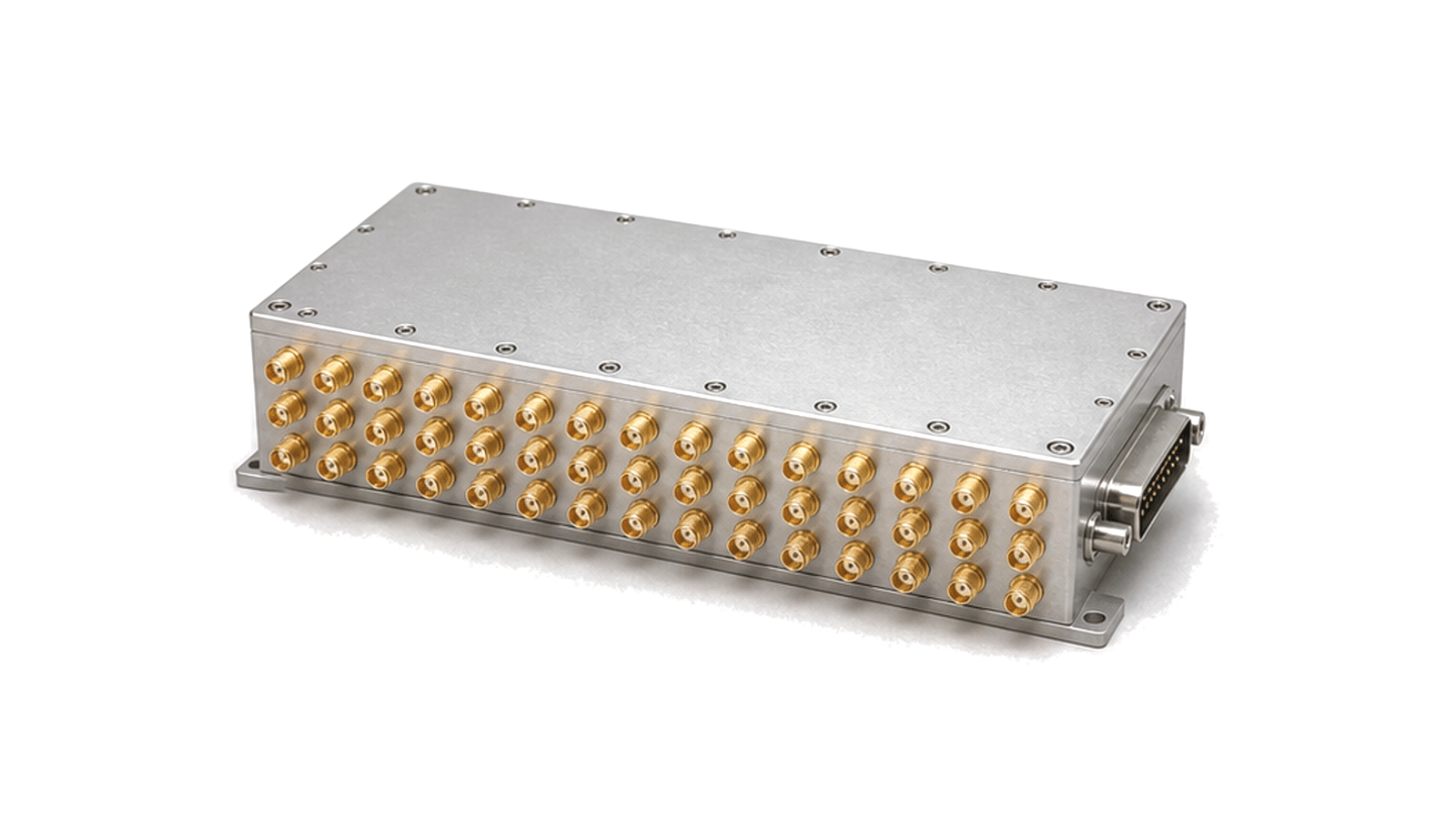
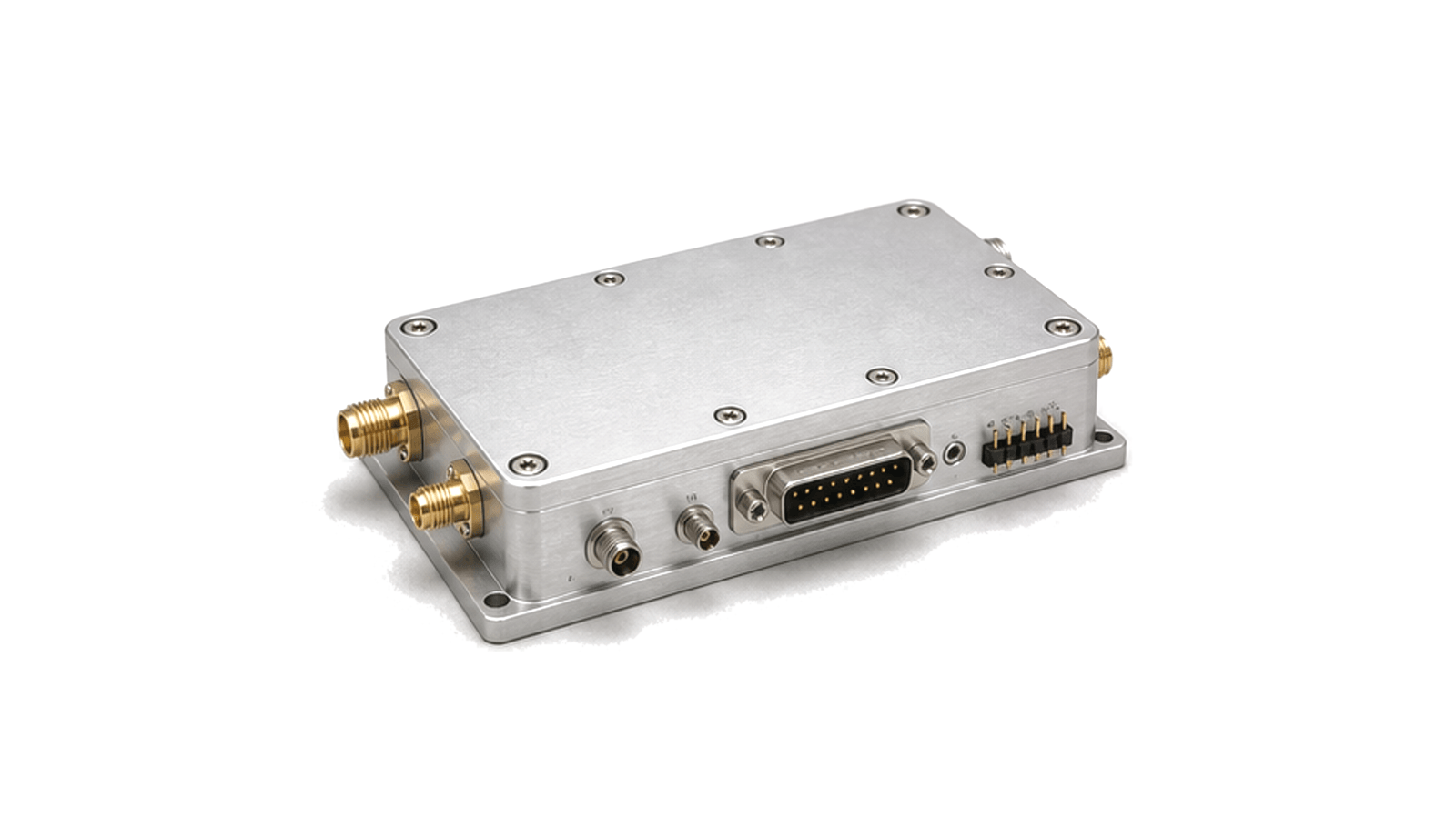
Signal intelligence systems depend on receiver-side RF paths that capture weak, brief or crowded-spectrum signals before analysis. The hardware path may combine low-noise amplification, preselection filters, switched filter banks, frequency conversion, switch matrices and receiver modules.
Operating context
These RF paths can appear in fixed monitoring sites, mobile observation platforms, perimeter awareness systems and controlled test environments. Frequency span, sensitivity, dynamic range, interference rejection and routing flexibility shape how much usable signal reaches the receiver or analyzer.
Engineering data
Useful data includes frequency coverage, noise figure, gain, compression point, filter bandwidth, conversion plan, isolation, switching speed, control interface, input protection and receiver output interface.
Treat spectrum monitoring as an evidence chain
- RF hardware for Signal Intelligence
- Define the monitoring mission before choosing receiver bandwidth List the bands, channel plans, services, emission types and geographic sectors that must be observed. Separate continuous occupancy, intermittent interferers, short bursts, technical compliance checks and event capture because each needs a different relationship among instantaneous bandwidth, frequency resolution, dwel...
- Signal Intelligence RF requirements
- Define the monitoring mission before choosing receiver bandwidth List the bands, channel plans, services, emission types and geographic sectors that must be observed. Separate continuous occupancy, intermittent interferers, short bursts, technical compliance checks and event capture because each needs a different relationship among instantaneous bandwidth, frequency resolution, dwel...
- Signal Intelligence RF architecture
- Define the monitoring mission before choosing receiver bandwidth List the bands, channel plans, services, emission types and geographic sectors that must be observed. Separate continuous occupancy, intermittent interferers, short bursts, technical compliance checks and event capture because each needs a different relationship among instantaneous bandwidth, frequency resolution, dwel...
- Signal Intelligence RF hardware selection
- Define the monitoring mission before choosing receiver bandwidth List the bands, channel plans, services, emission types and geographic sectors that must be observed. Separate continuous occupancy, intermittent interferers, short bursts, technical compliance checks and event capture because each needs a different relationship among instantaneous bandwidth, frequency resolution, dwel...
- Signal Intelligence RF testing and verification
- Verify the installed chain and preserve enough evidence to repeat the result Use a conducted path to characterize gain, noise, filters, image and spurious responses, IP3 or overload and amplitude accuracy; then repeat representative checks through the installed antenna path with known site signals or a controlled field source....
Spectrum Monitoring Receiver Front Ends: Dynamic Range, Scan Coverage and Verification
Specify a spectrum-monitoring receiver from antenna coverage to recorded evidence by balancing weak-signal sensitivity, strong-signal tolerance, preselection, instantaneous bandwidth, RBW, dwell, revisit time, thresholds, timing and calibration.