
LCRF

Privacy preferences

Choose optional purposes independently. You can change or withdraw your choice at any time from the footer.

Strictly necessary

Required for security, session functions and storing your privacy choice.

Always active
Preferences

Remembers optional display or language settings when these features are enabled.

Analytics

Uses first-party visitor and session identifiers to measure pages, referrals and inquiry interactions.

Marketing

Allows marketing measurement or third-party advertising technologies if they are introduced in the future.

Electronic Warfare Transmit Chain

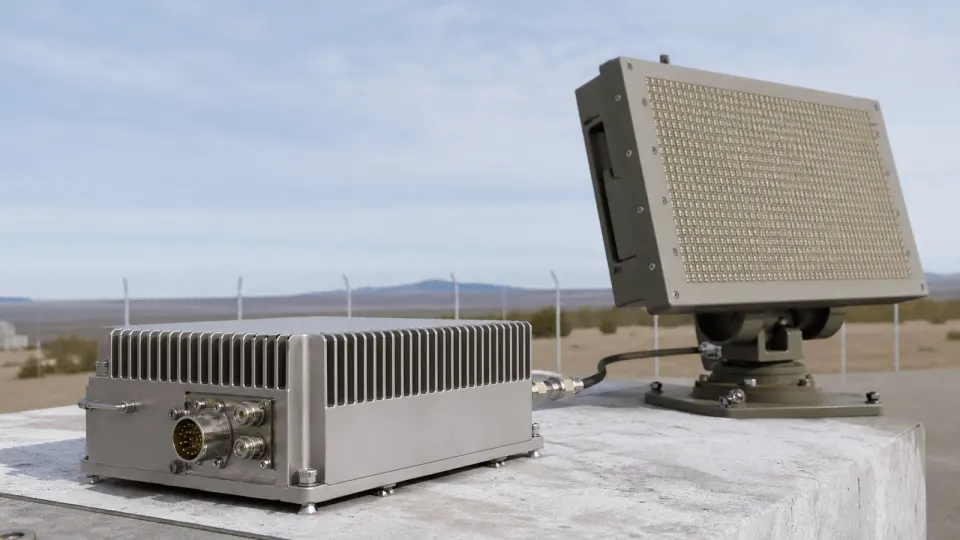
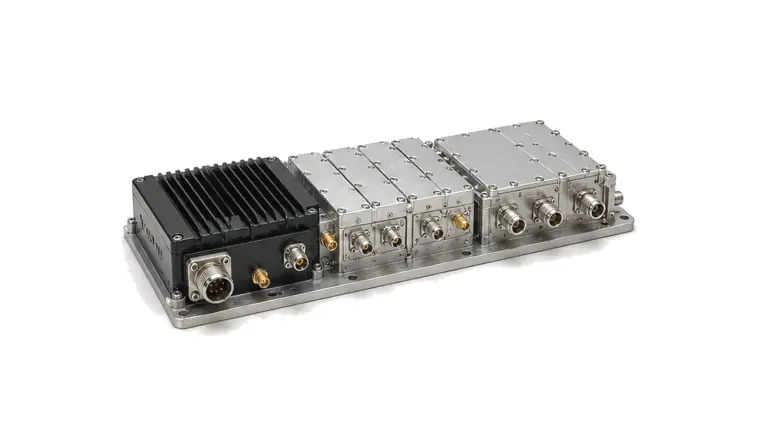
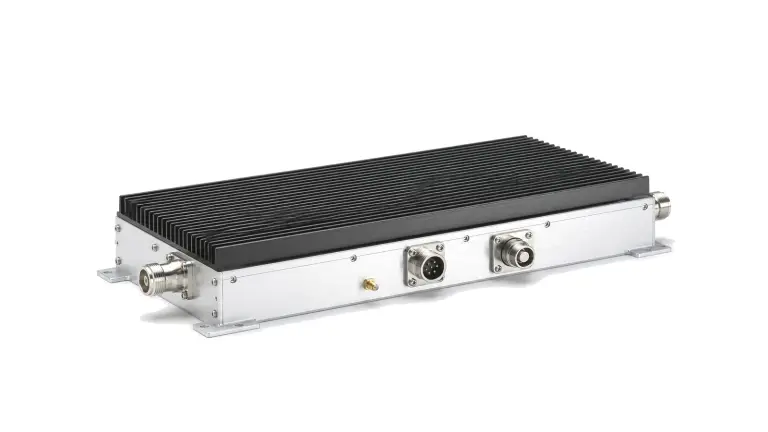
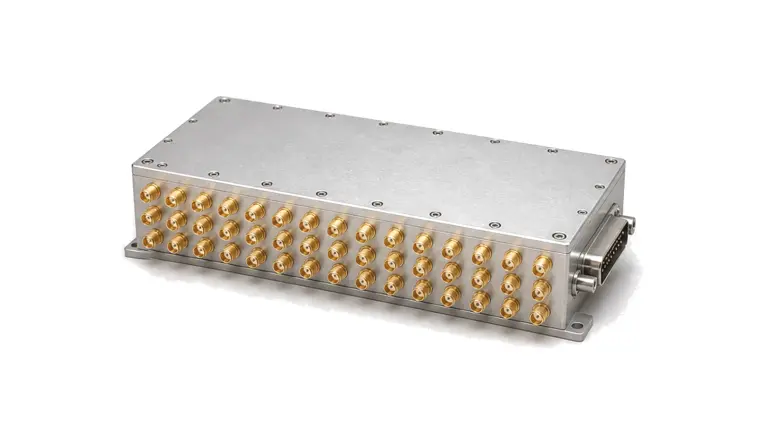
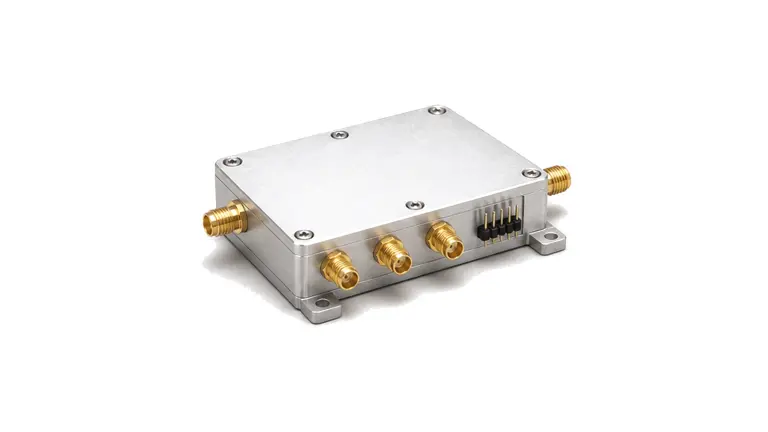
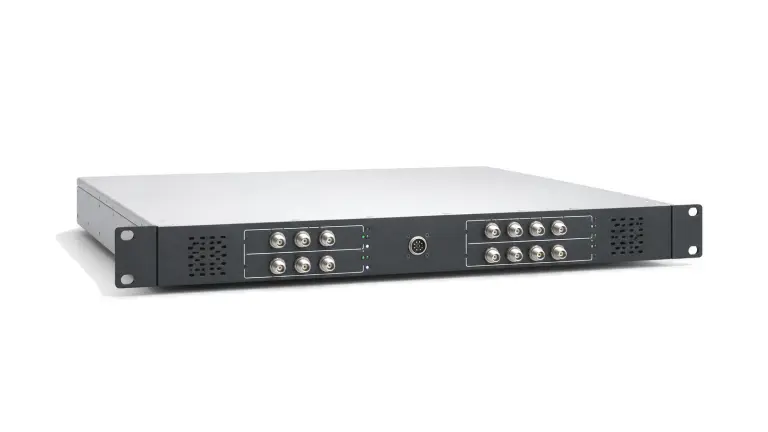
Wideband EW transmit-chain architecture for RF conversion, broadband amplification, switching, attenuation, monitoring and antenna-interface paths.

Electronic Warfare Transmit Chain RF solution visual

Electronic Warfare Transmit Chain

Electronic warfare transmit chains combine frequency conversion, broadband RF amplification, switching, level control, monitoring and antenna-interface hardware into a controlled output path. They are used where a test range, training payload, threat-emulation rack or special RF subsystem must place energy in a defined band with known power, timing and routing behavior.

Signal path

The chain normally starts with an RF or IF source, moves through conversion and gain stages, then passes through switching, attenuation and detector points before reaching an antenna port, load or distribution interface. Converter range, amplifier output power, gain flatness, switching topology, attenuation step size and monitoring points define how the path behaves.

Integration data

Useful engineering inputs include operating band, instantaneous bandwidth, waveform duty cycle, output level, harmonic and spurious limits, connector format, cooling method, supply demand, control interface and environmental limits.

Build one traceable requirement and evidence chain

Electronic Warfare Transmit Chain architecture
Define the mission profile, item boundary and assurance decision Name the item being procured: component, converter, amplifier, line-replaceable unit, payload electronics assembly, ground-support unit or installed subsystem....
Electronic Warfare Transmit Chain design requirements
Define the mission profile, item boundary and assurance decision Name the item being procured: component, converter, amplifier, line-replaceable unit, payload electronics assembly, ground-support unit or installed subsystem....
Electronic Warfare Transmit Chain integration
Freeze every interface and allocate RF performance at named planes Create an interface control set for RF ports, DC input, enable and protection, telemetry, data, timing and reference signals, grounding and bonding, connectors, harnesses, cooling and mounting datums....
Electronic Warfare Transmit Chain test and verification
Build the verification flow before the first qualification article

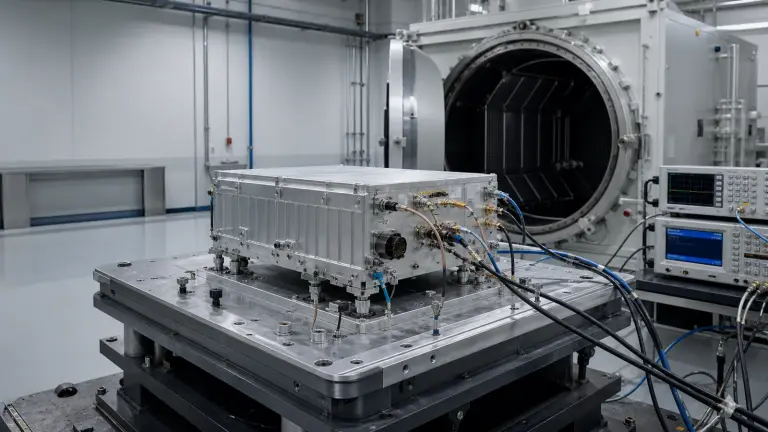
How to Specify RF Hardware for Aerospace, Defense and Space Programs

Turn a mission profile into an executable RF hardware requirement by freezing interfaces, operating modes, environmental exposure, component assurance, verification article pedigree, configuration control, obsolescence and delivery evidence.
Aerospace RF Hardware Requirements & Verification

Articles

FAQ

How should DMSMS, obsolescence and part substitutions be controlled in RF electronics?

Monitor supply risk across the life cycle, evaluate impact before shortages become urgent, and approve alternates through configuration control and requirement-based re-verification.

What qualification and acceptance evidence belongs with an RF payload or mission hardware delivery?

Deliver a requirement-linked verification matrix, article pedigree, approved procedures, raw results, uncertainty, environmental logs, anomalies and the exact configuration index for each unit.

How should environmental requirements be written for aerospace RF hardware?

Derive stress, axes, duration, operating state, monitoring and pass criteria from the item boundary and actual storage, transport, launch or service profile instead of listing standards alone.

Which parts and configuration traceability records should accompany aerospace RF hardware?

Trace the delivered serial through BOM, approved sources, lots, processes, drawings, firmware, calibration, deviations and verification results so evidence can be tied to one configuration.

Engineering inquiry

Share your RF requirement

Share the product, operating requirements and project context. Our engineering team will route your request to the right specialist.

AttachmentsAttach drawings, BOMs, specifications or test files. Up to 5 files, 10 MB each and 25 MB total.
or drag and dropPDF, DOCX, XLSX, CSV, TXT, JPG, PNG, S1P and S2P
Typically reviewed within one business dayProject information is handled confidentially