
LCRF

Privacy preferences

Choose optional purposes independently. You can change or withdraw your choice at any time from the footer.

Strictly necessary

Required for security, session functions and storing your privacy choice.

Always active
Preferences

Remembers optional display or language settings when these features are enabled.

Analytics

Uses first-party visitor and session identifiers to measure pages, referrals and inquiry interactions.

Marketing

Allows marketing measurement or third-party advertising technologies if they are introduced in the future.

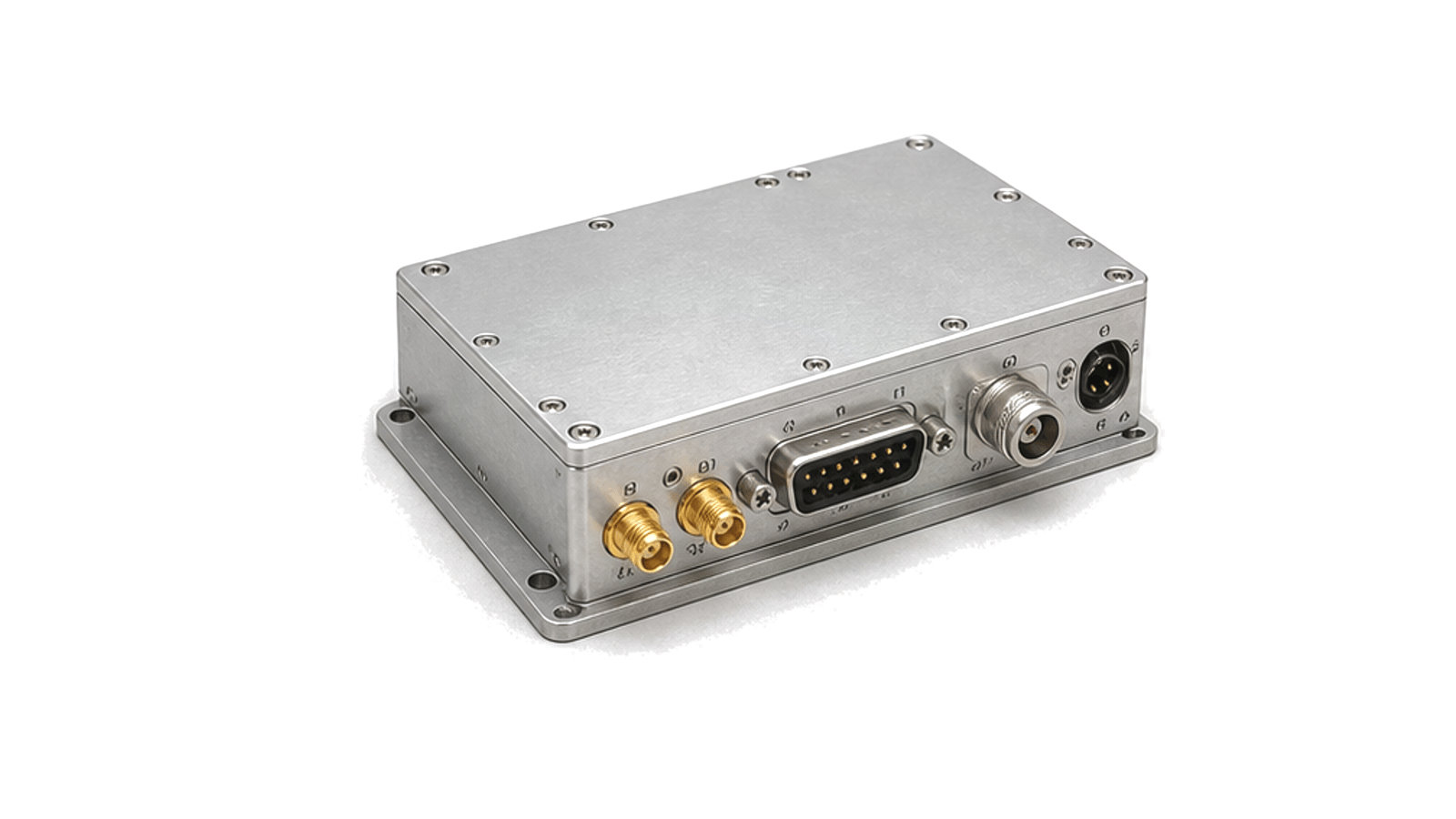
Monitoring Receiver Front Ends

Monitoring receiver front ends condition RF signals before spectrum monitoring, capture or observation receivers. They combine input protection, filtering, gain and interface control for receive-only paths.

Monitoring receiver front end for RF observation path

Articles

FAQ

How should the simultaneous signal environment be specified for a spectrum-monitoring receiver?

Define weak signals and every simultaneous strong emitter by frequency, waveform, bandwidth, level, duty cycle, timing, antenna or conducted coupling plane and required observation outcome.

How should preselection, blocker tolerance and overload limits be specified for a monitoring receiver?

Specify each band state by preselector rejection, insertion loss, gain or attenuation, noise figure, IP3 or compression, full-scale margin, overload indication and recovery under a simultaneous weak signal.

Which recording, timing and calibration interfaces belong in a spectrum-monitoring system specification?

Specify retained data, trigger and buffer behavior, complete RF metadata, time and frequency references, amplitude corrections, calibration injection, uncertainty and change-controlled export formats.

How are RBW, dwell time and scan coverage related in spectrum monitoring?

Coverage is bounded by monitored span, instantaneous bandwidth, step or FFT-bin spacing, RBW, settling and processing overhead, dwell per segment, revisit time and the duration of the event of interest.

Engineering inquiry

Share your RF requirement

Share the product, operating requirements and project context. Our engineering team will route your request to the right specialist.

AttachmentsAttach drawings, BOMs, specifications or test files. Up to 5 files, 10 MB each and 25 MB total.
or drag and dropPDF, DOCX, XLSX, CSV, TXT, JPG, PNG, S1P and S2P
Typically reviewed within one business dayProject information is handled confidentially

Monitoring Receiver Front Ends

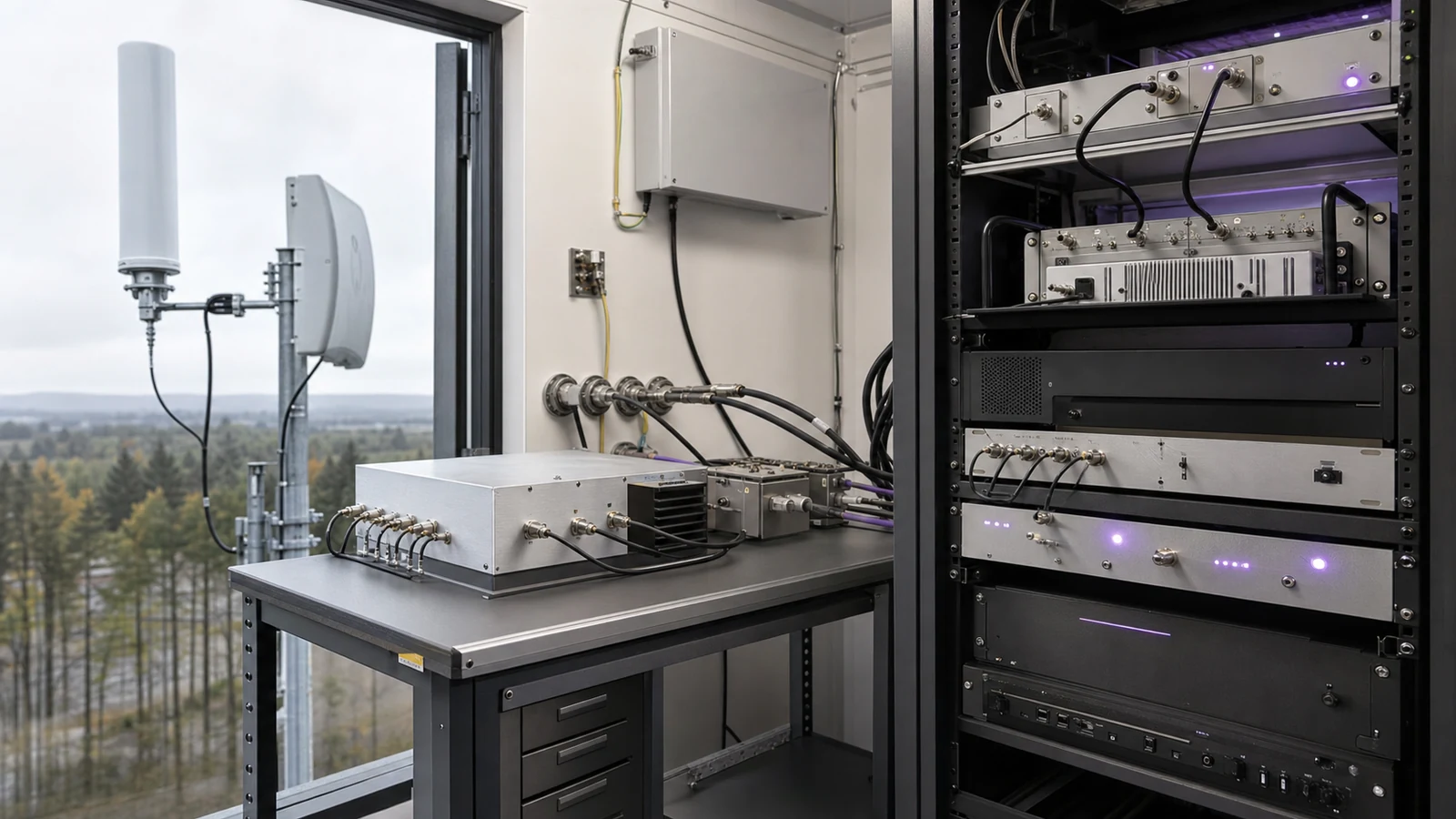
Monitoring receiver front ends prepare RF signals before they enter a monitoring or capture receiver. Their role is to protect the receiver input, control unwanted energy and present a usable level to the downstream equipment.

Receive-chain role

They appear in spectrum monitoring, telemetry observation, test ranges and RF surveillance paths where the receiver must observe signals without becoming part of the transmit chain.

Key data

Important data includes frequency coverage, instantaneous bandwidth, sensitivity, gain, filtering, input power limit, protection behavior, dynamic range, noise contribution and receiver interface.