
RF engineering articles
RF engineering articles on product selection, signal-chain design, testing and integration.
Browse articles
Filters
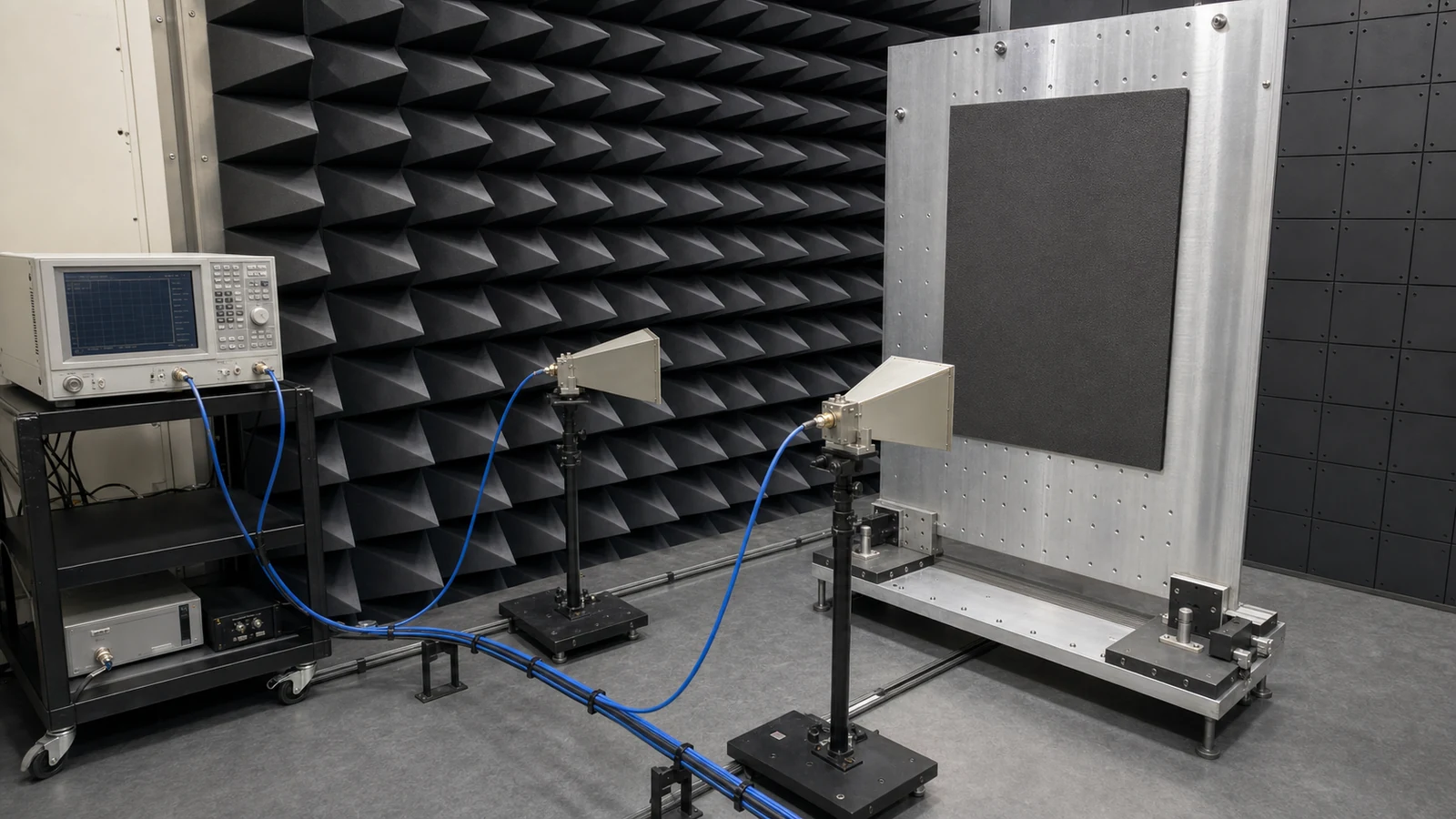
An engineering method for selecting and installing RF absorber by field problem, frequency, material form, thickness, metal backing, incidence, reflectivity, power density, environment and installed evidence.
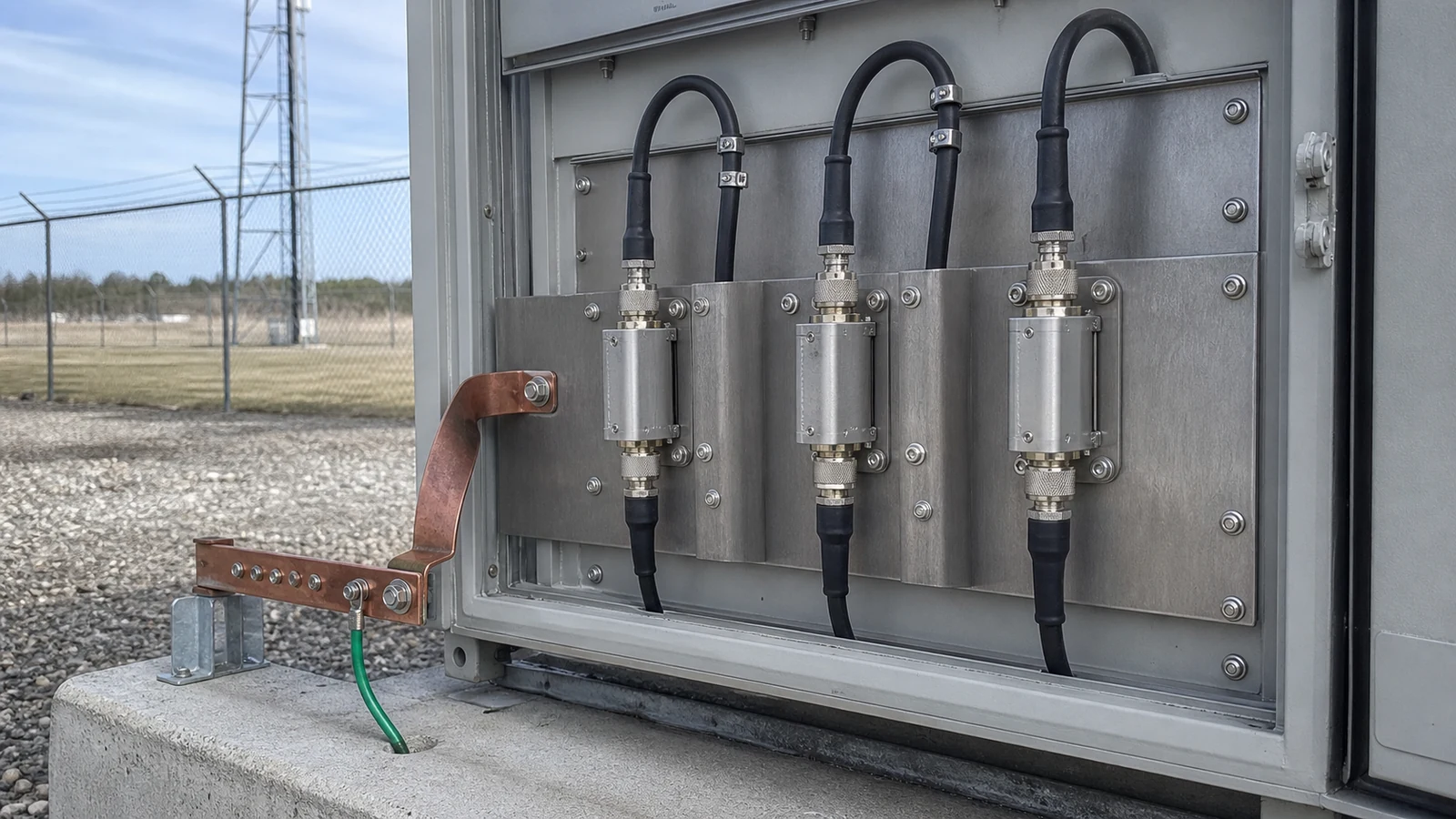
A field acceptance method for coaxial RF surge protectors covering protection-zone placement, low-inductance bonding, RF/DC baseline measurements, impulse coordination, inspection and post-lightning replacement decisions.
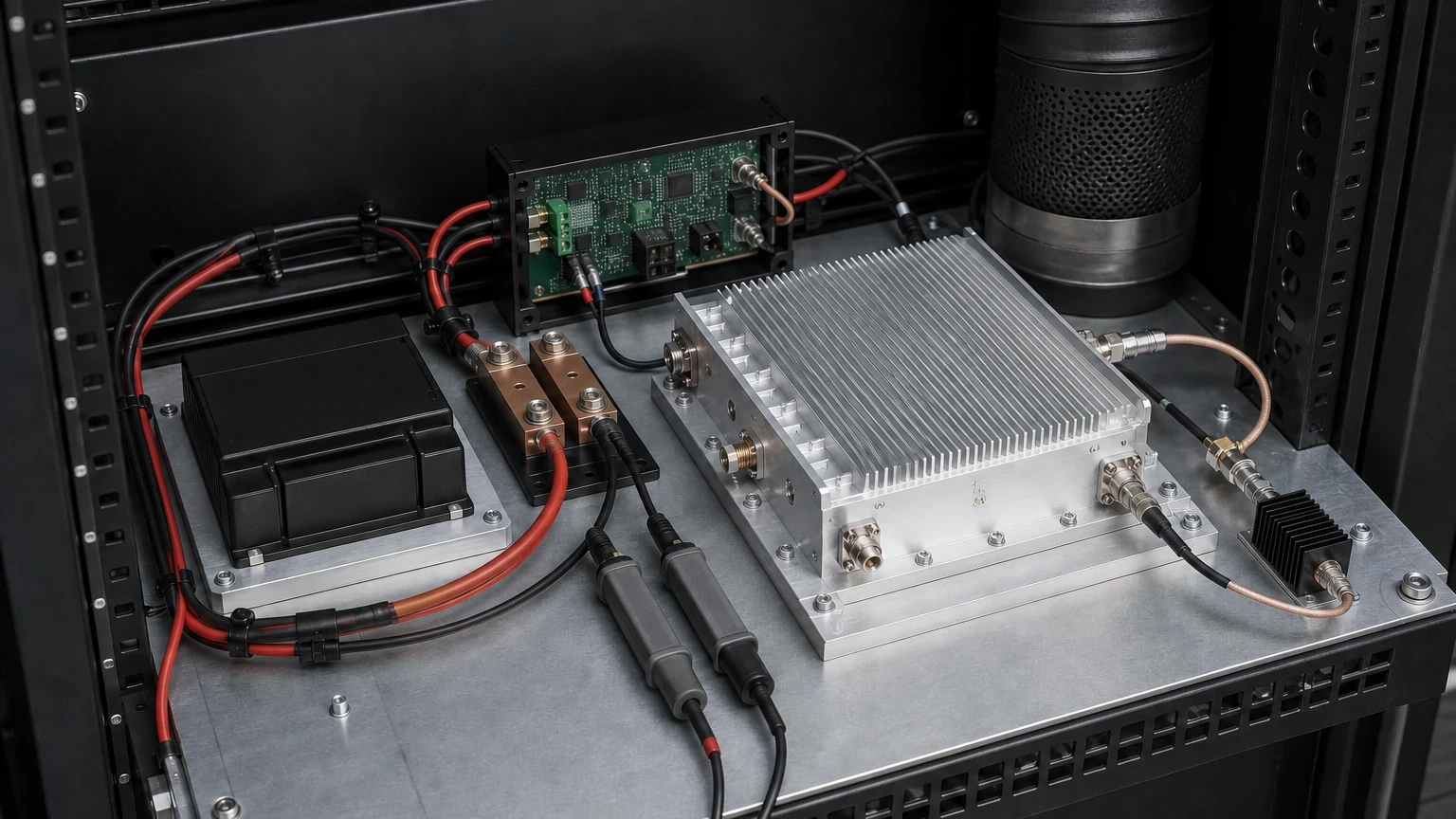
An engineering workflow for turning RF operating modes into DC rail, current transient, ripple, sequencing, protection, heat-load, cooling-interface and acceptance requirements without confusing catalog ratings with delivered system performance.
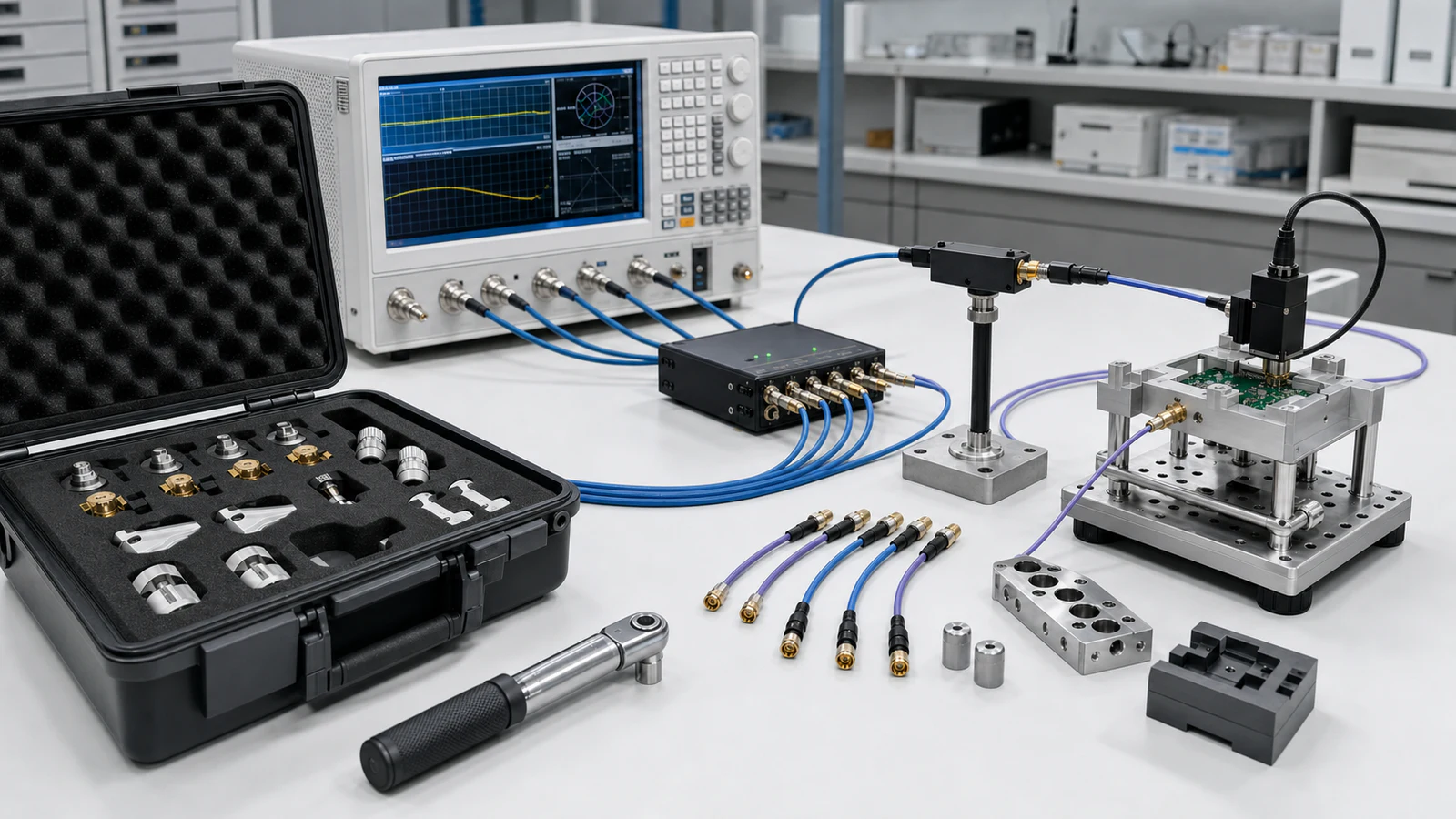
A practical method for specifying RF calibration kits, cables, adapters, switch matrices, signal-conditioning paths, probes and fixtures by interface, reference plane, repeatability, traceability, verification and lifecycle controls.
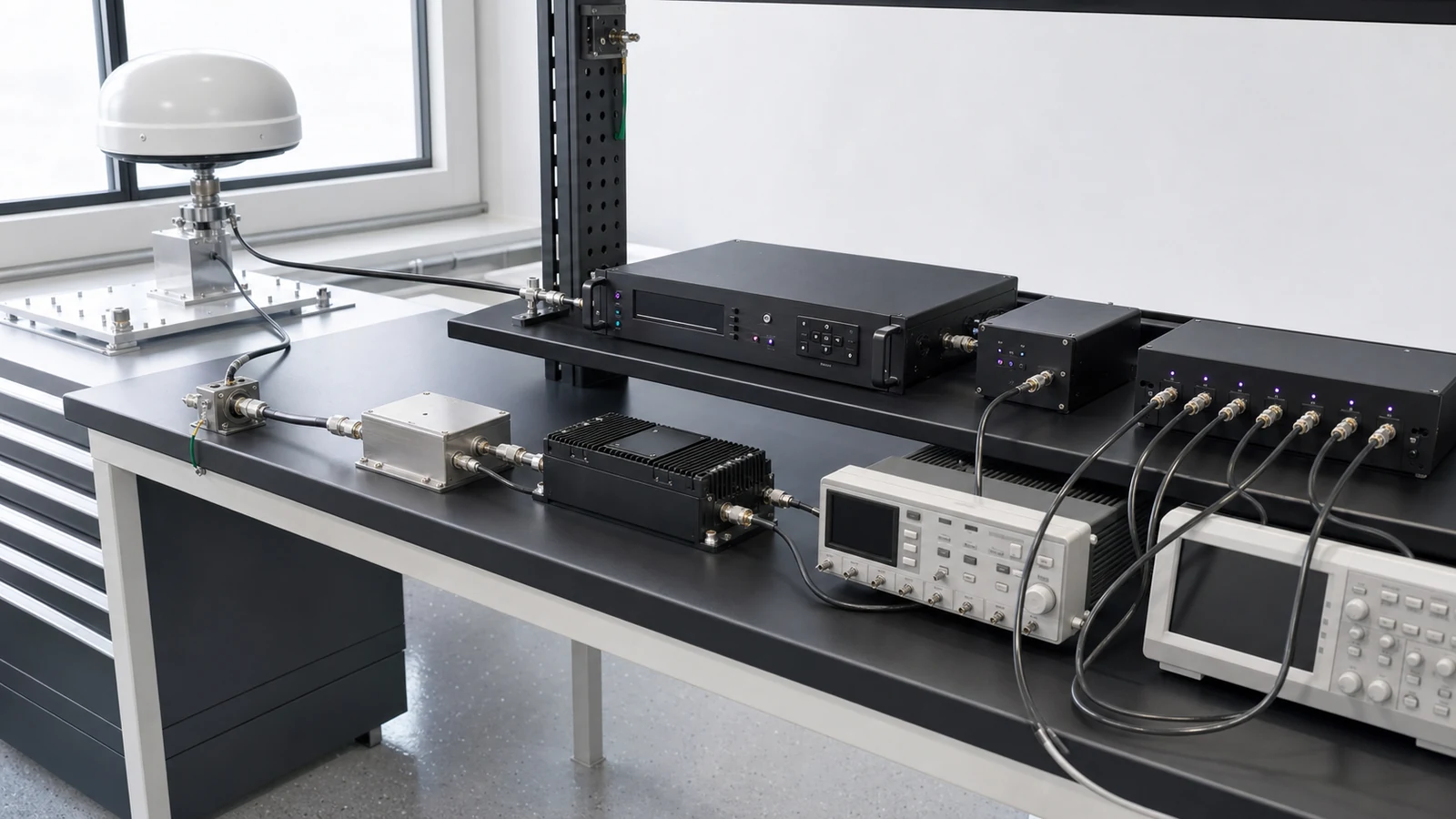
A practical method for defining GNSS and BeiDou antenna paths, filtering, low-noise gain, receiver interference tolerance, disciplined references, holdover and PPS or 10 MHz distribution with measurable acceptance evidence.
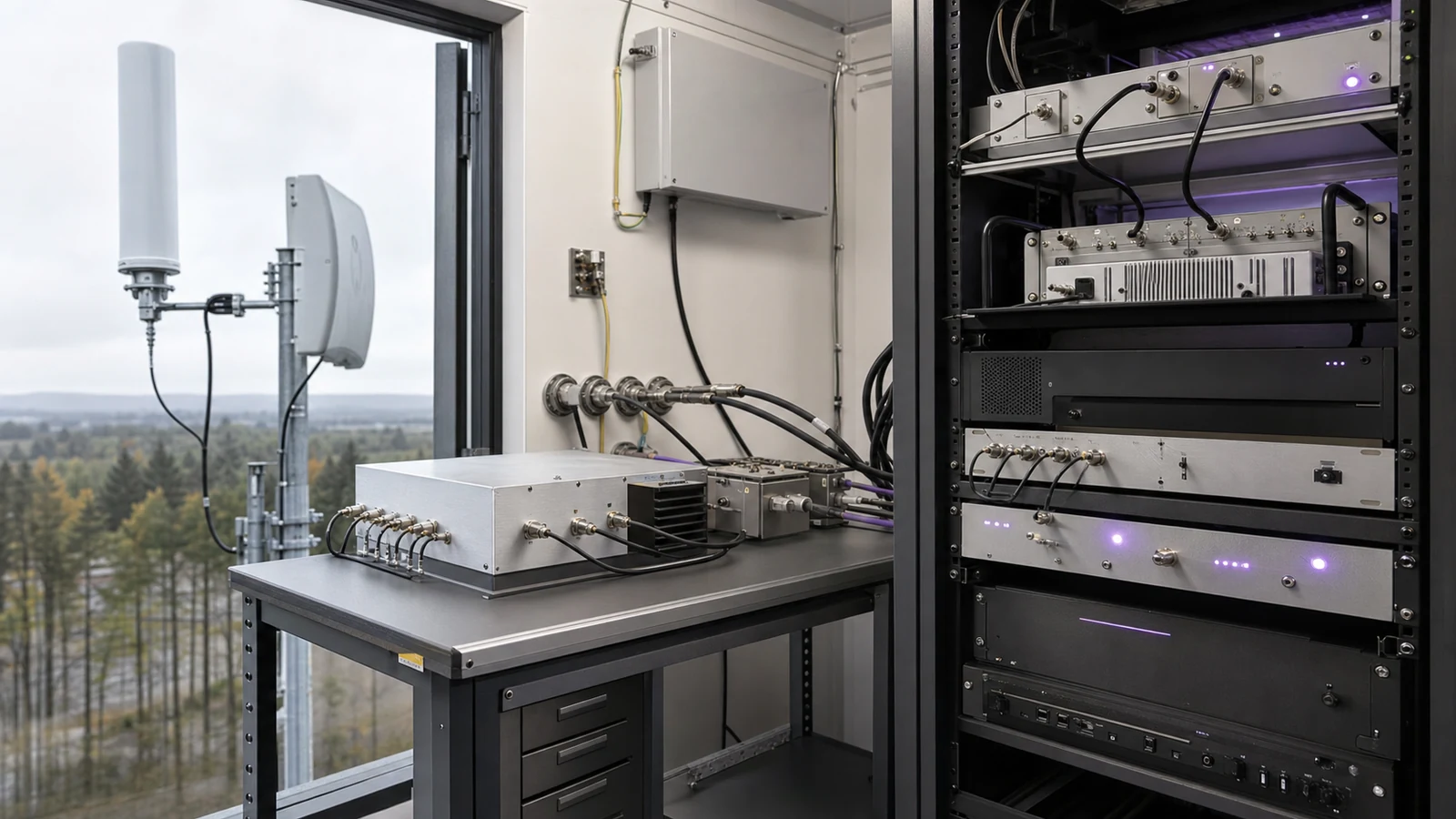
Specify a spectrum-monitoring receiver from antenna coverage to recorded evidence by balancing weak-signal sensitivity, strong-signal tolerance, preselection, instantaneous bandwidth, RBW, dwell, revisit time, thresholds, timing and calibration.
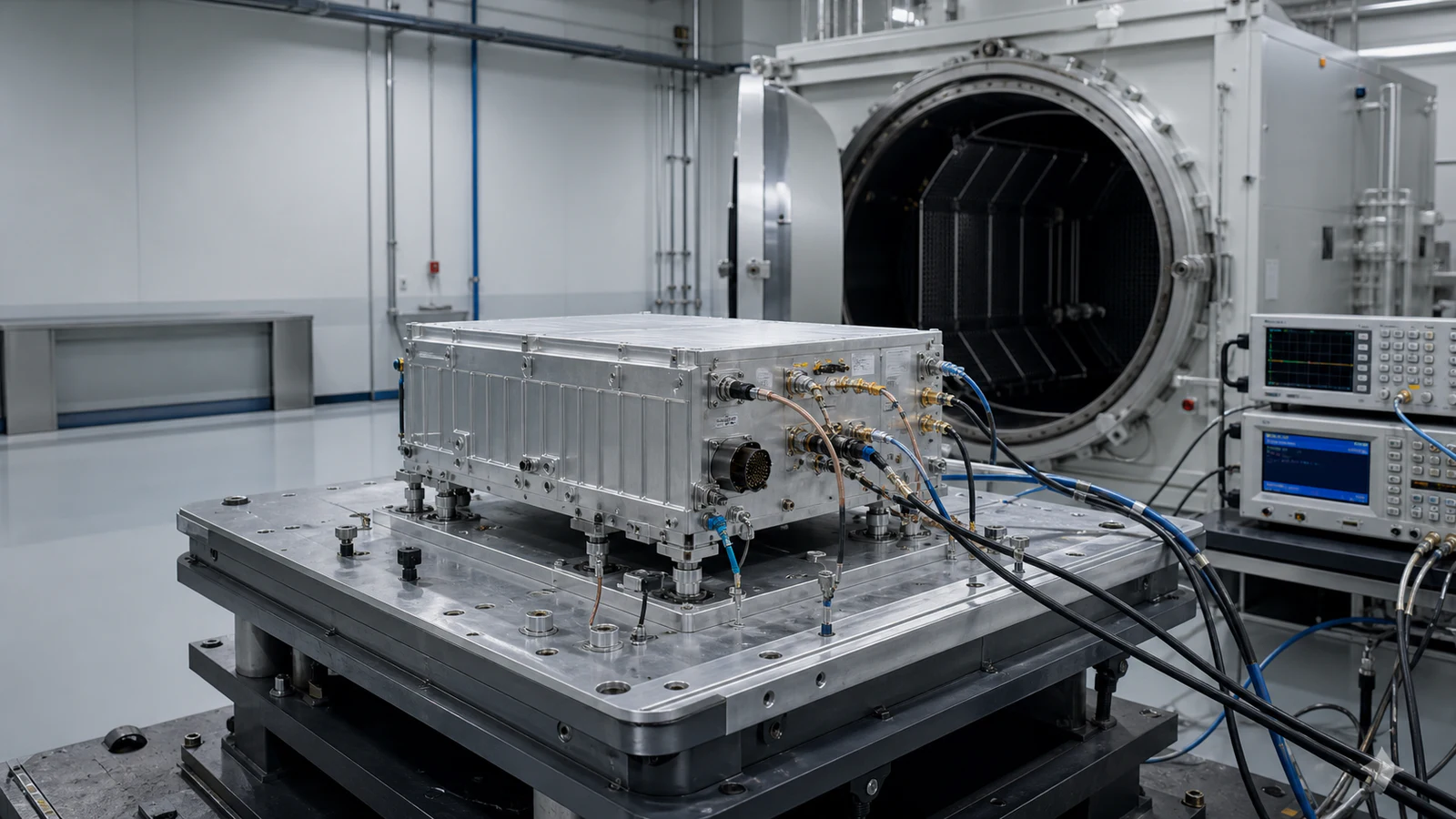
Turn a mission profile into an executable RF hardware requirement by freezing interfaces, operating modes, environmental exposure, component assurance, verification article pedigree, configuration control, obsolescence and delivery evidence.
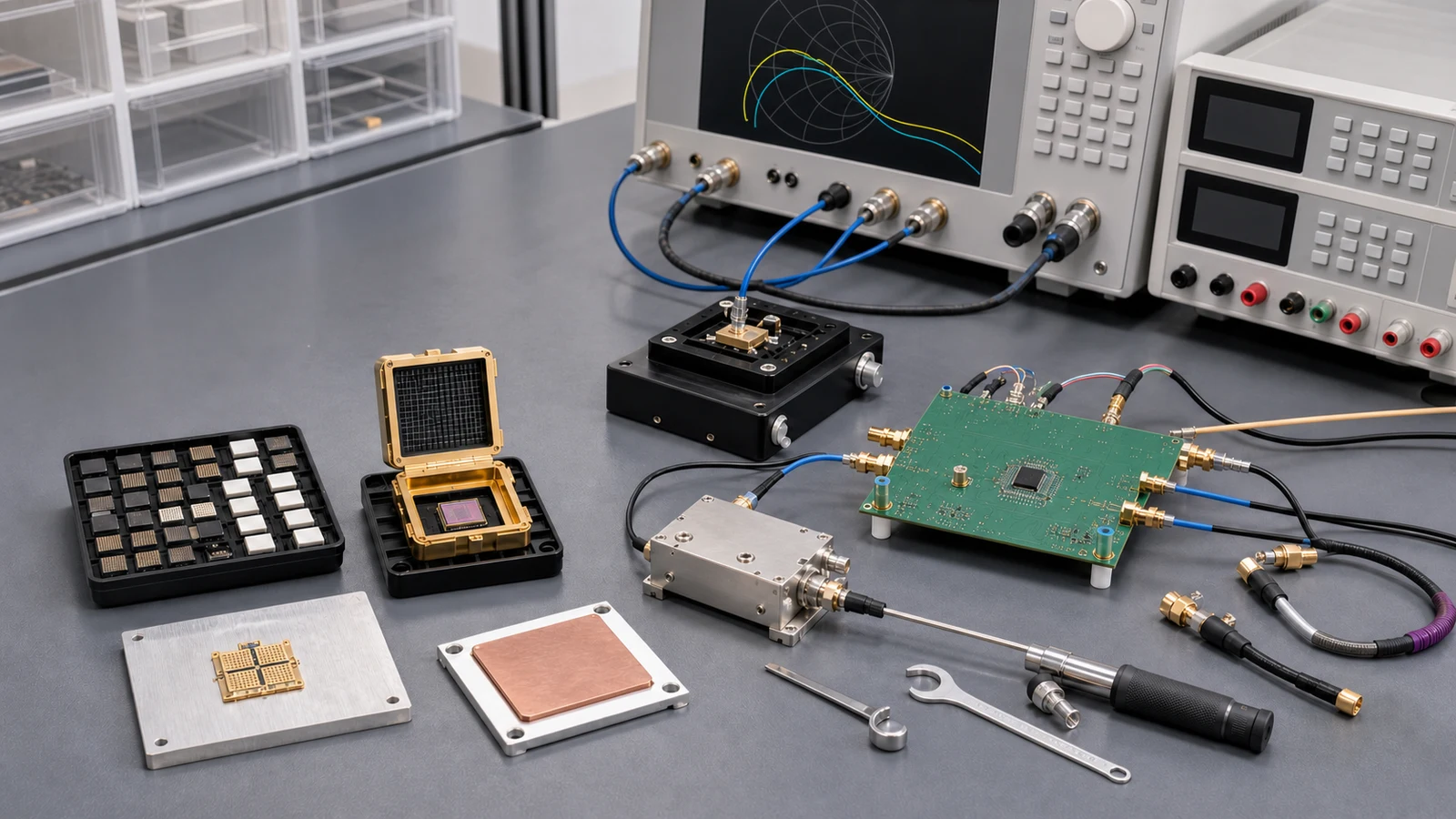
Turn an RF semiconductor shortlist into an executable design decision by controlling datasheet conditions, reference planes, stability, bias and protection, package and PCB interfaces, thermal limits, fixture removal, production spread and acceptance evidence.
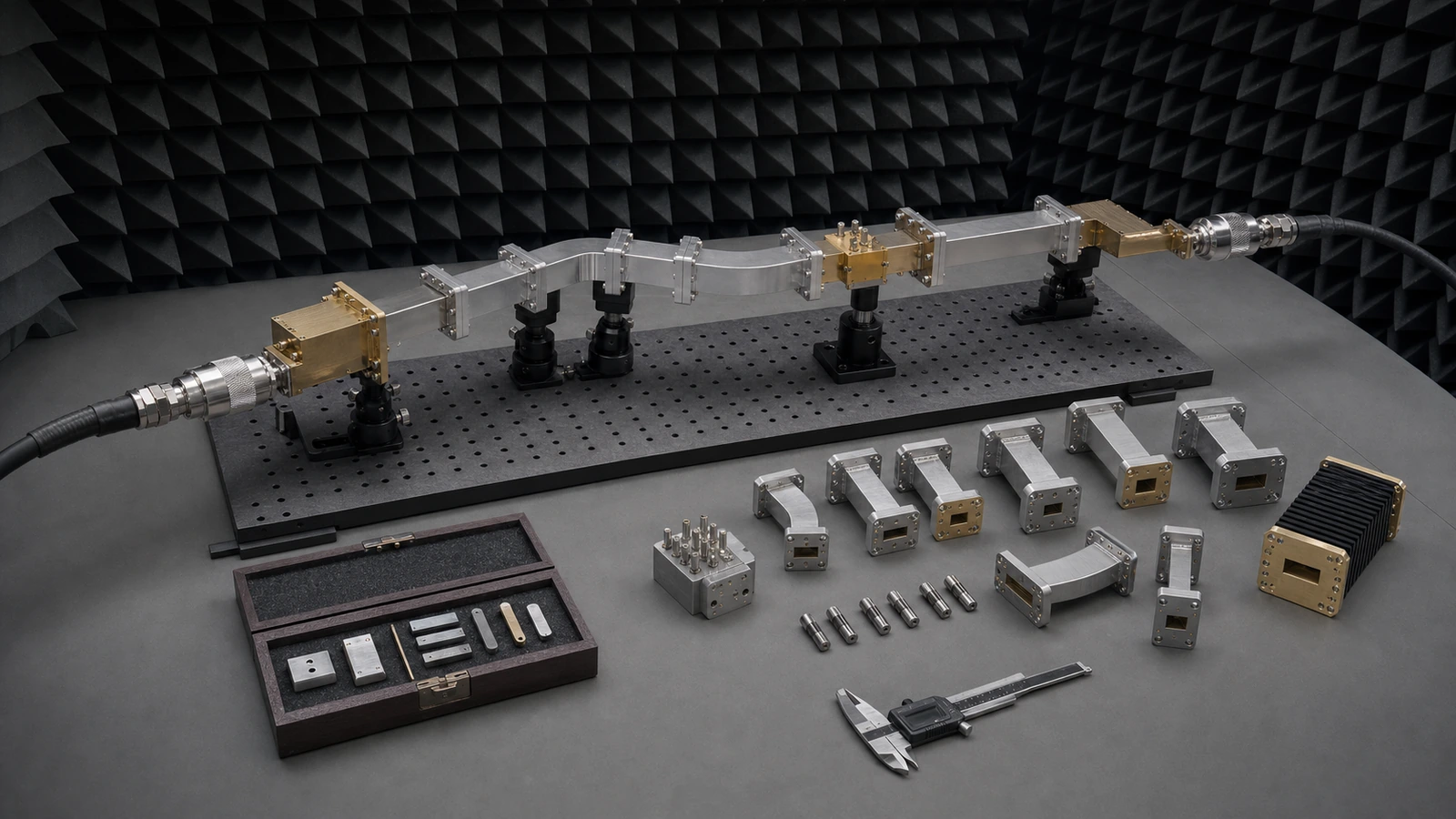
Turn a waveguide path into a reviewable specification by controlling band and mode, aperture and flange interfaces, loss and phase, peak and average power, mechanical tolerances, calibration reference planes, uncertainty and acceptance evidence.

Convert a moving-platform use case into an executable RF hardware specification by freezing the installed boundary, antenna and coax path, power transients, grounding, environmental and EMC conditions, service access, verification configuration and lifecycle evidence.