Production RF Test Stations
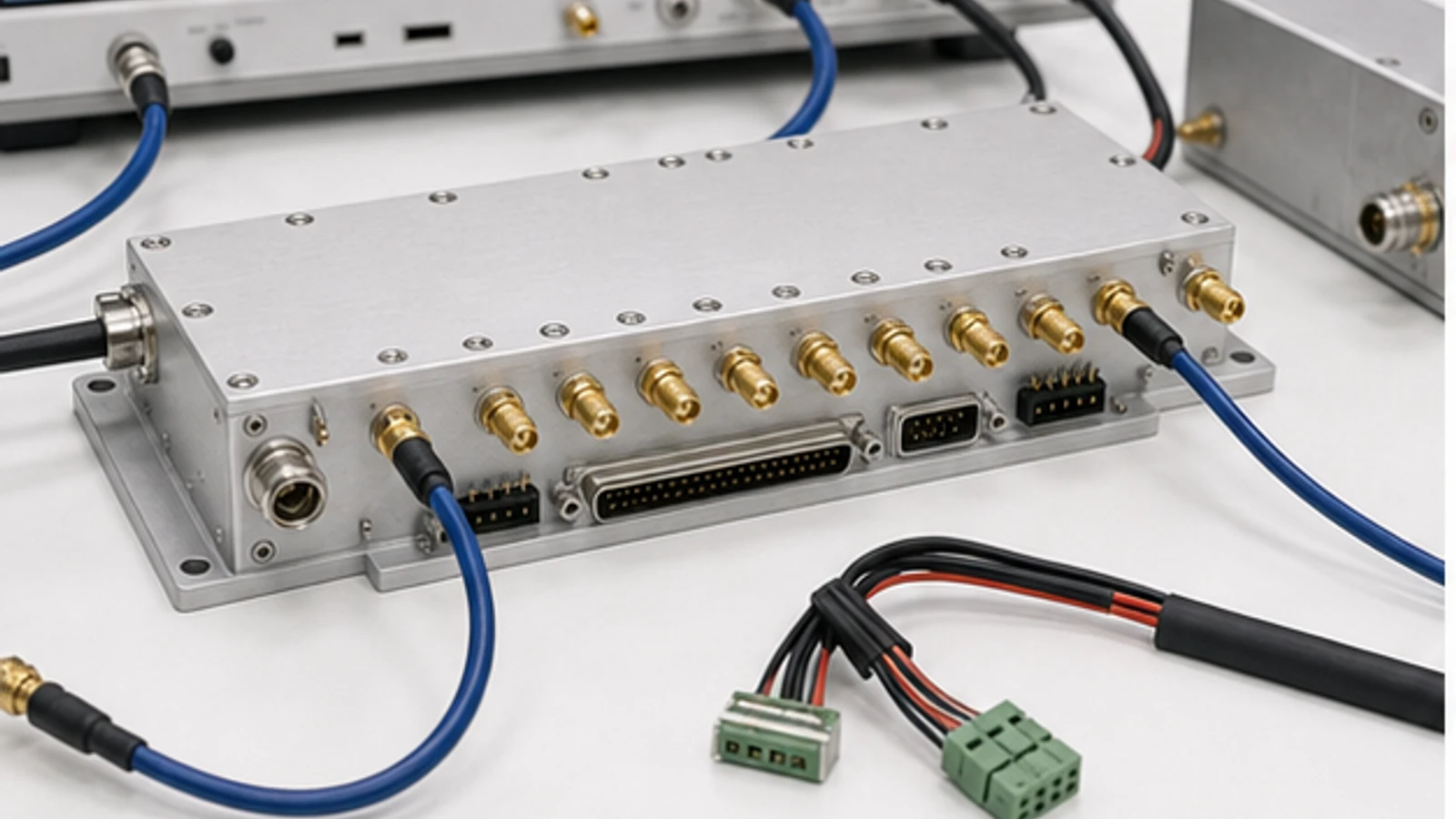
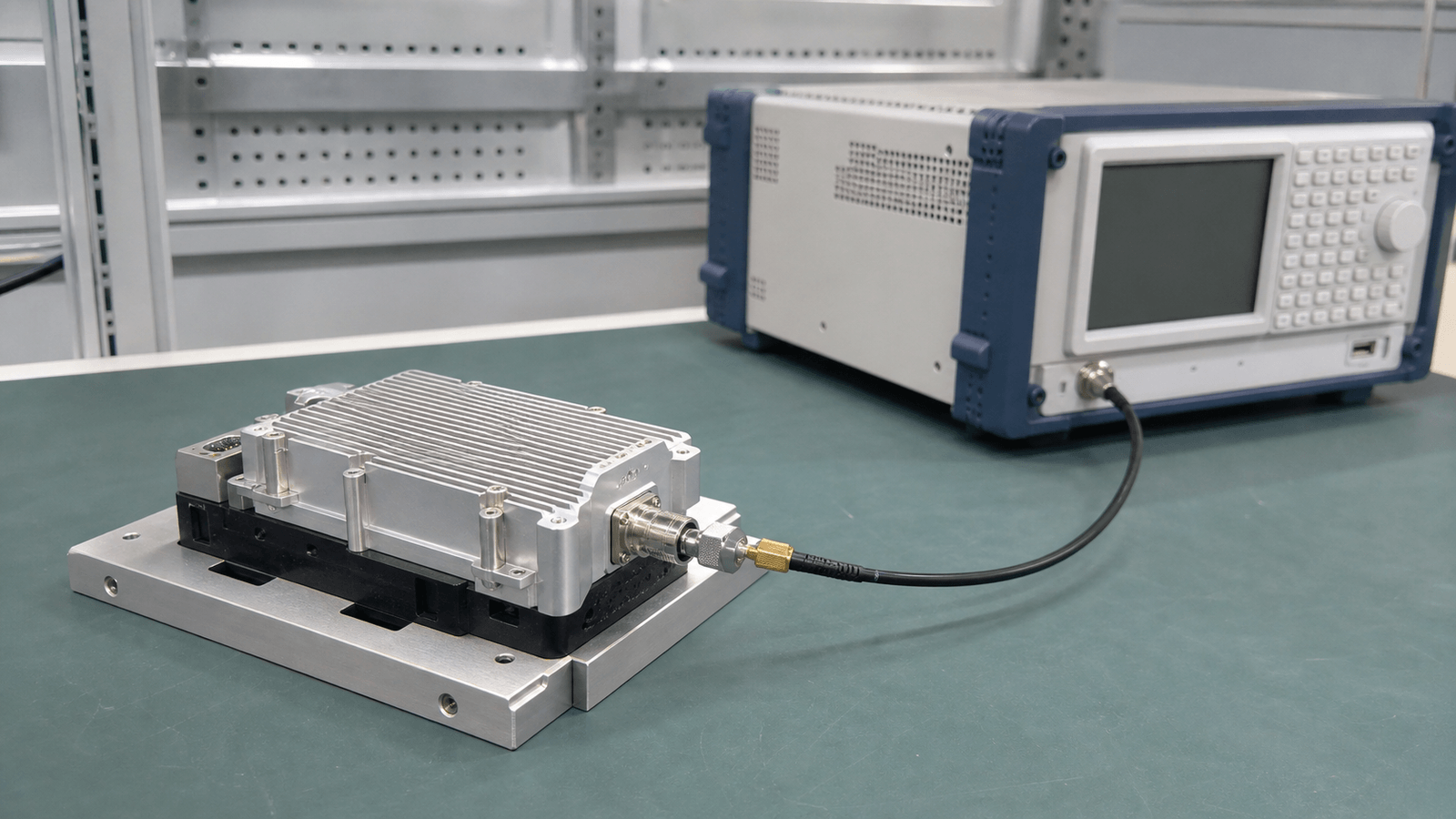
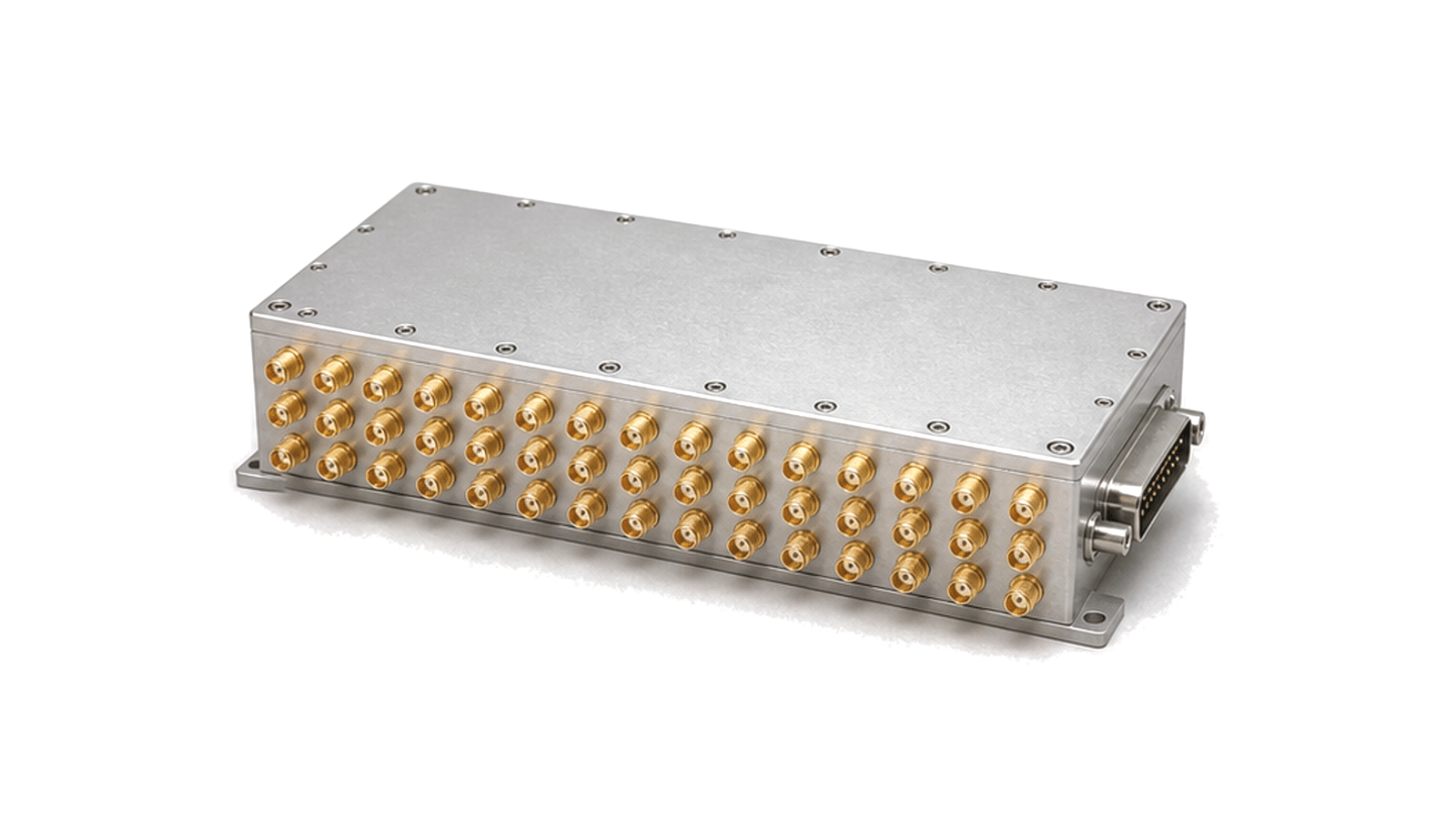
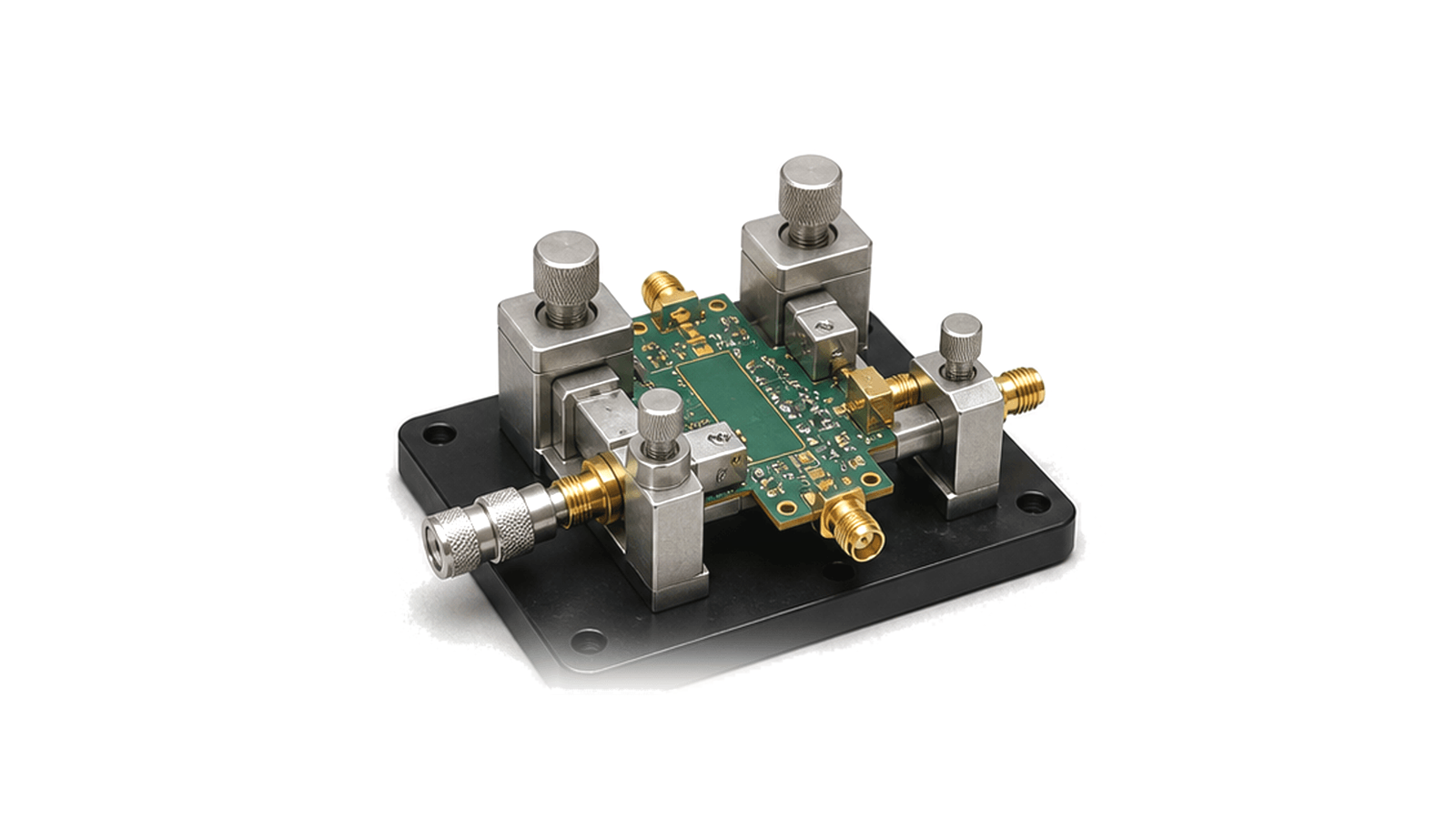
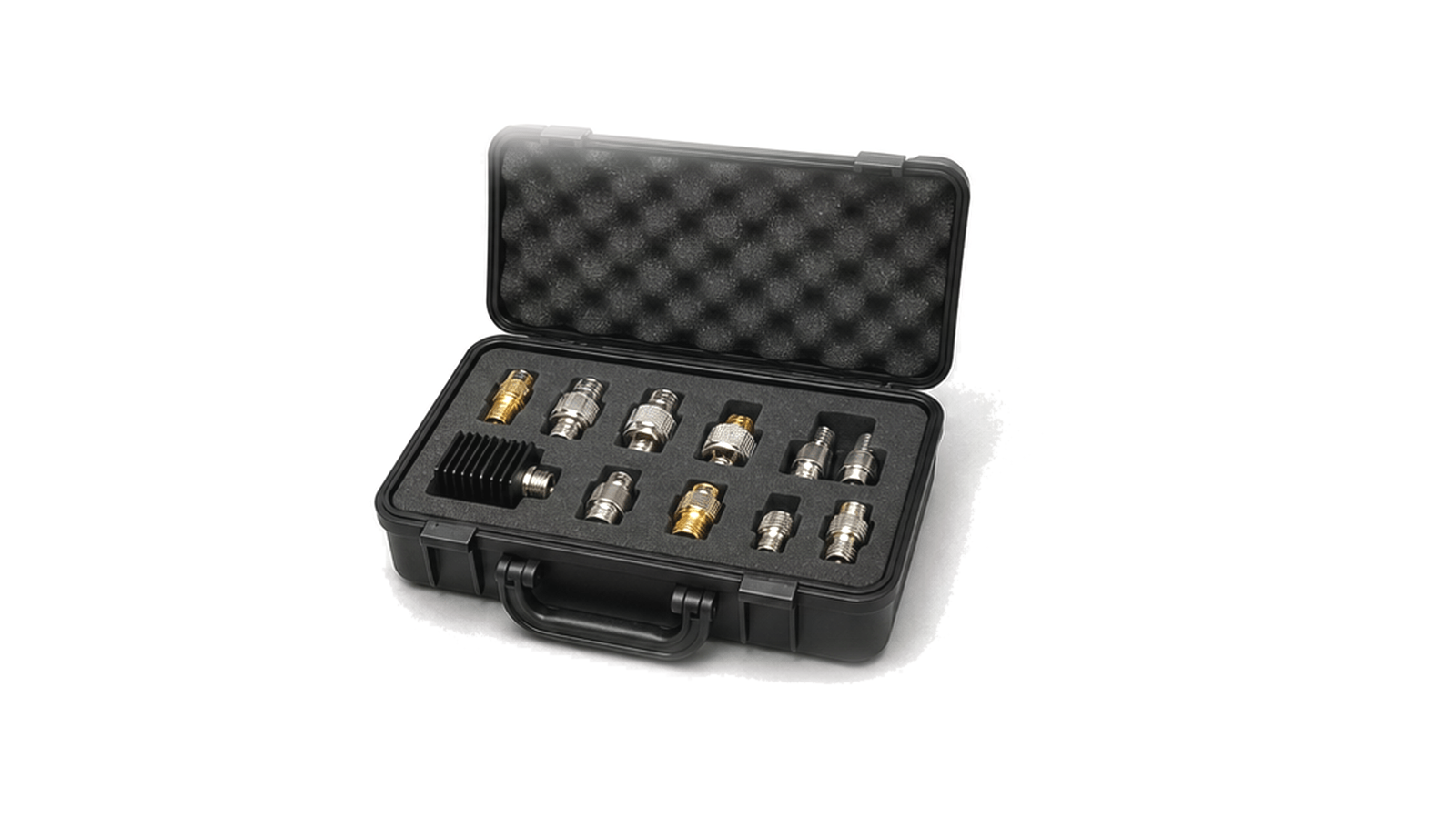
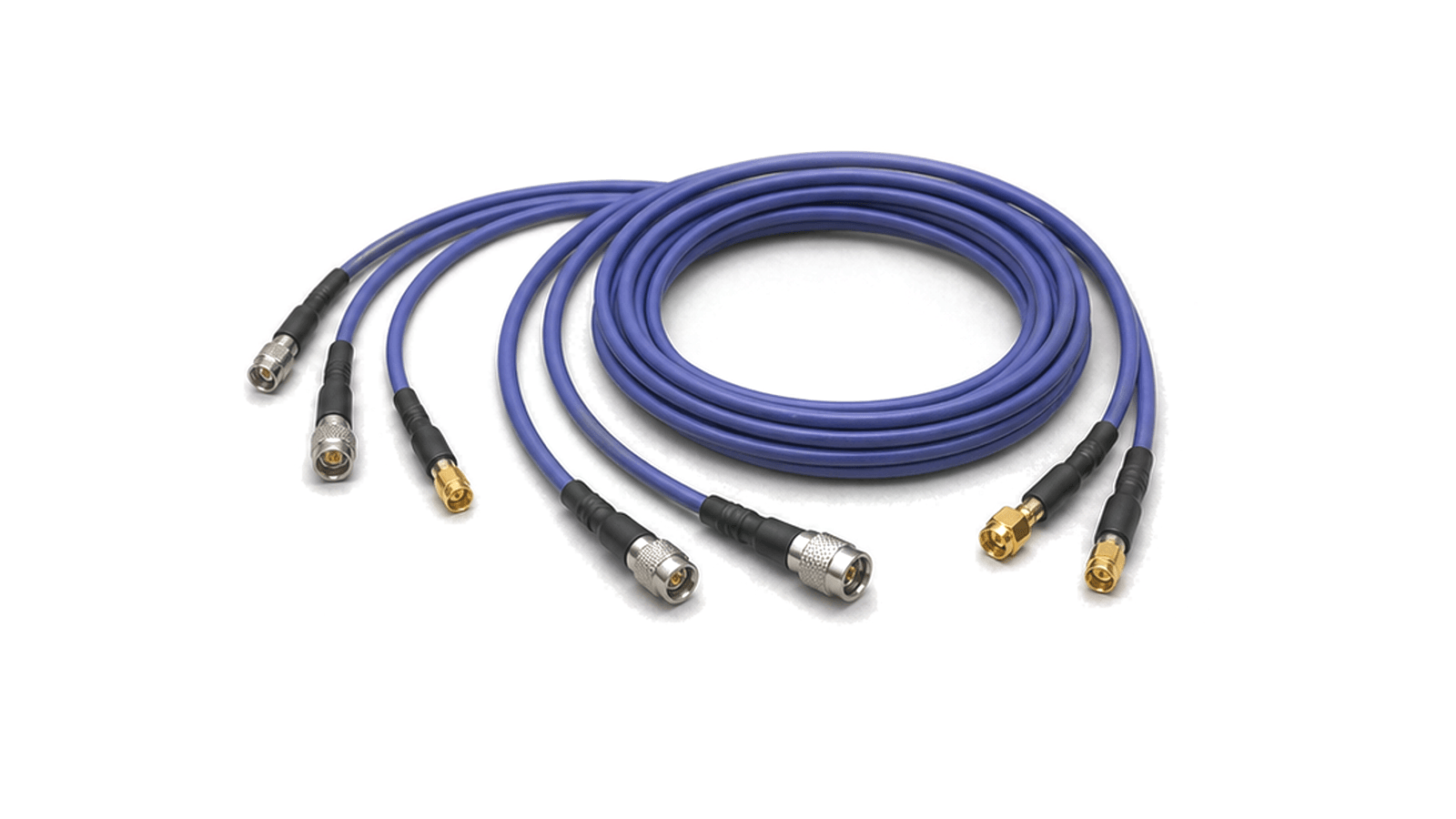
Production RF test verifies finished RF modules, microwave assemblies and configured subsystems before shipment or internal release. The station path normally includes calibrated cables, fixtures, switching, attenuators, power sensors and reference loads.
Release environment
The goal is not to explore every operating condition, but to confirm agreed limits under known station conditions. Path loss, reference plane, warm-up time, load match, duty cycle and calibration status determine whether a result can be compared across lots.
Traceable measurements
Useful data includes station identity, fixture revision, calibration certificate, software version, test sequence, ambient temperature, power level, frequency points and the final acceptance limits used for the product revision.
Treat the complete physical path as the controlled measurement hardware
- RF hardware for Production RF Test
- Define the measurement task and the hardware boundary Begin with the measurand and the DUT interface, not with an accessory catalog. A connectorized two-port module, a PCB coupon, a wafer device and a high-power assembly impose different calibration, fixturing, contact and protection needs....
- Production RF Test RF requirements
- Define the measurement task and the hardware boundary Begin with the measurand and the DUT interface, not with an accessory catalog. A connectorized two-port module, a PCB coupon, a wafer device and a high-power assembly impose different calibration, fixturing, contact and protection needs....
- Production RF Test RF architecture
- Define the measurement task and the hardware boundary Begin with the measurand and the DUT interface, not with an accessory catalog. A connectorized two-port module, a PCB coupon, a wafer device and a high-power assembly impose different calibration, fixturing, contact and protection needs....
- Production RF Test RF hardware selection
- Define the measurement task and the hardware boundary Begin with the measurand and the DUT interface, not with an accessory catalog. A connectorized two-port module, a PCB coupon, a wafer device and a high-power assembly impose different calibration, fixturing, contact and protection needs....
- Production RF Test RF testing and verification
- Define the measurement task and the hardware boundary Begin with the measurand and the DUT interface, not with an accessory catalog. A connectorized two-port module, a PCB coupon, a wafer device and a high-power assembly impose different calibration, fixturing, contact and protection needs....
How to Specify RF Test Fixtures and Calibration Hardware: Reference Planes, Repeatability, Traceability and Verification
A practical method for specifying RF calibration kits, cables, adapters, switch matrices, signal-conditioning paths, probes and fixtures by interface, reference plane, repeatability, traceability, verification and lifecycle controls.