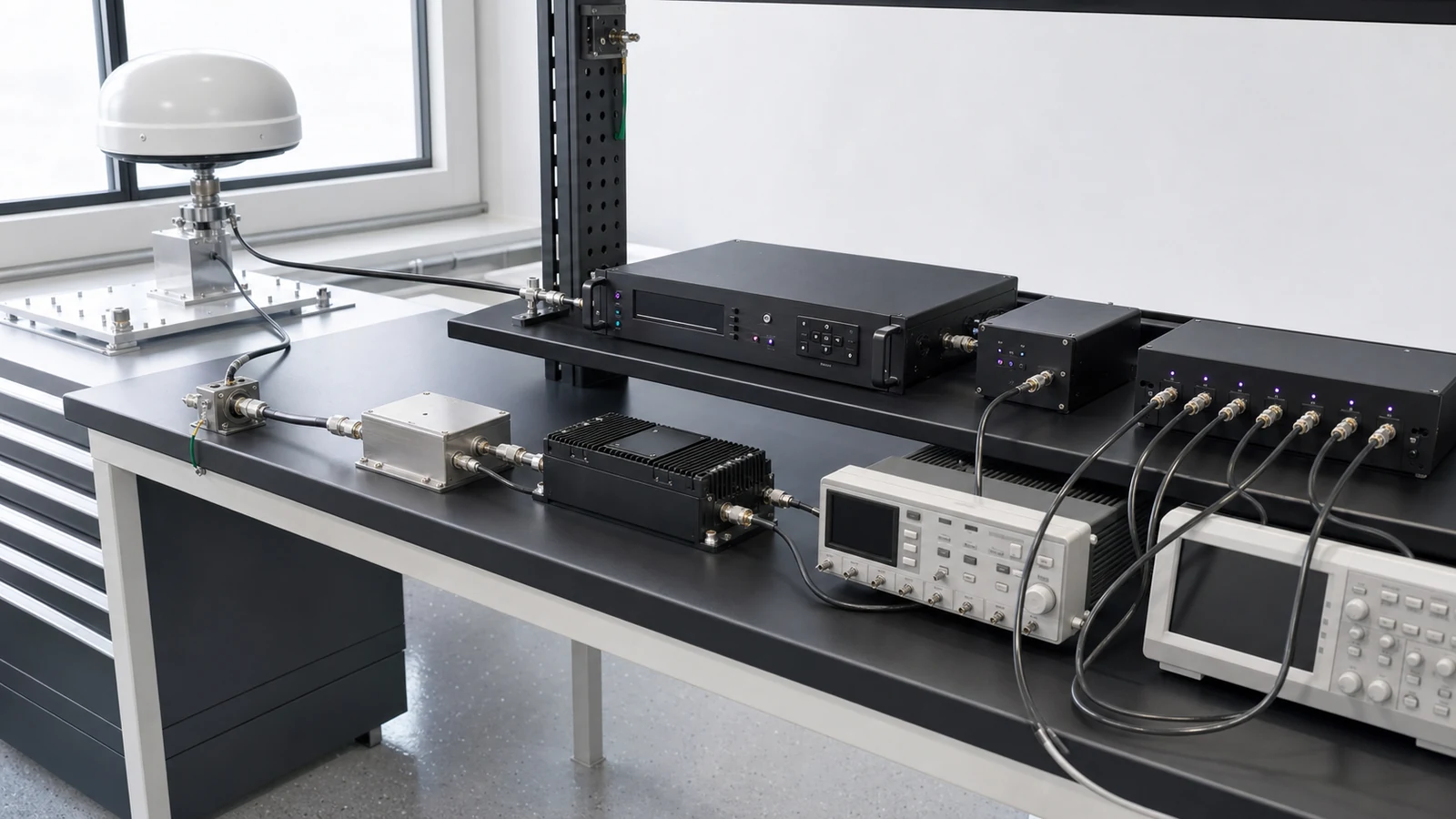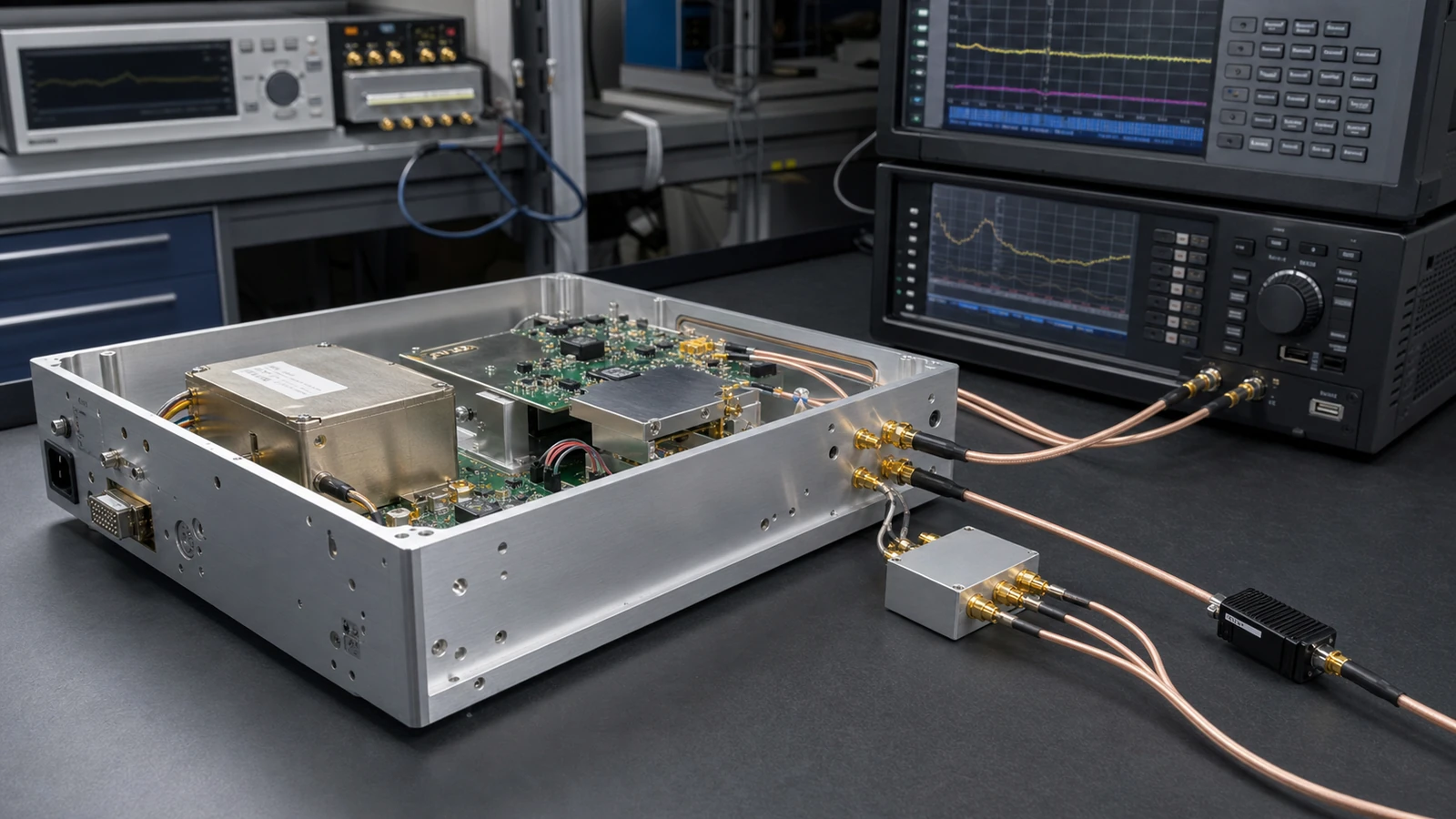
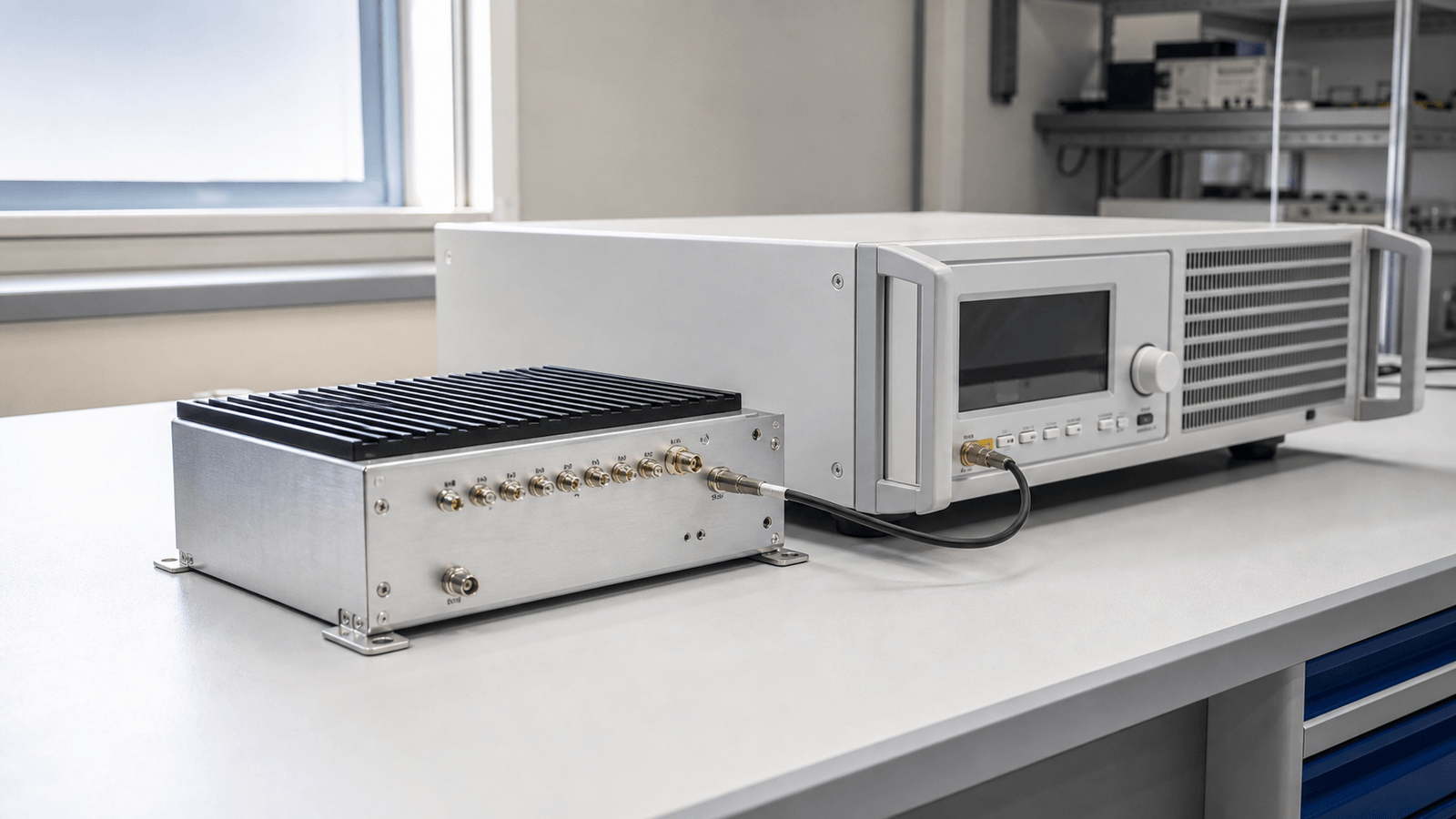
Reference and clock paths for synchronized RF systems
Precision timing distribution moves stable frequency or time references from a source to the equipment that depends on them. RF receivers, signal sources, converters, analyzers and multi-channel systems rely on this path to keep frequency, phase and time relationships consistent.
Timing path boundary
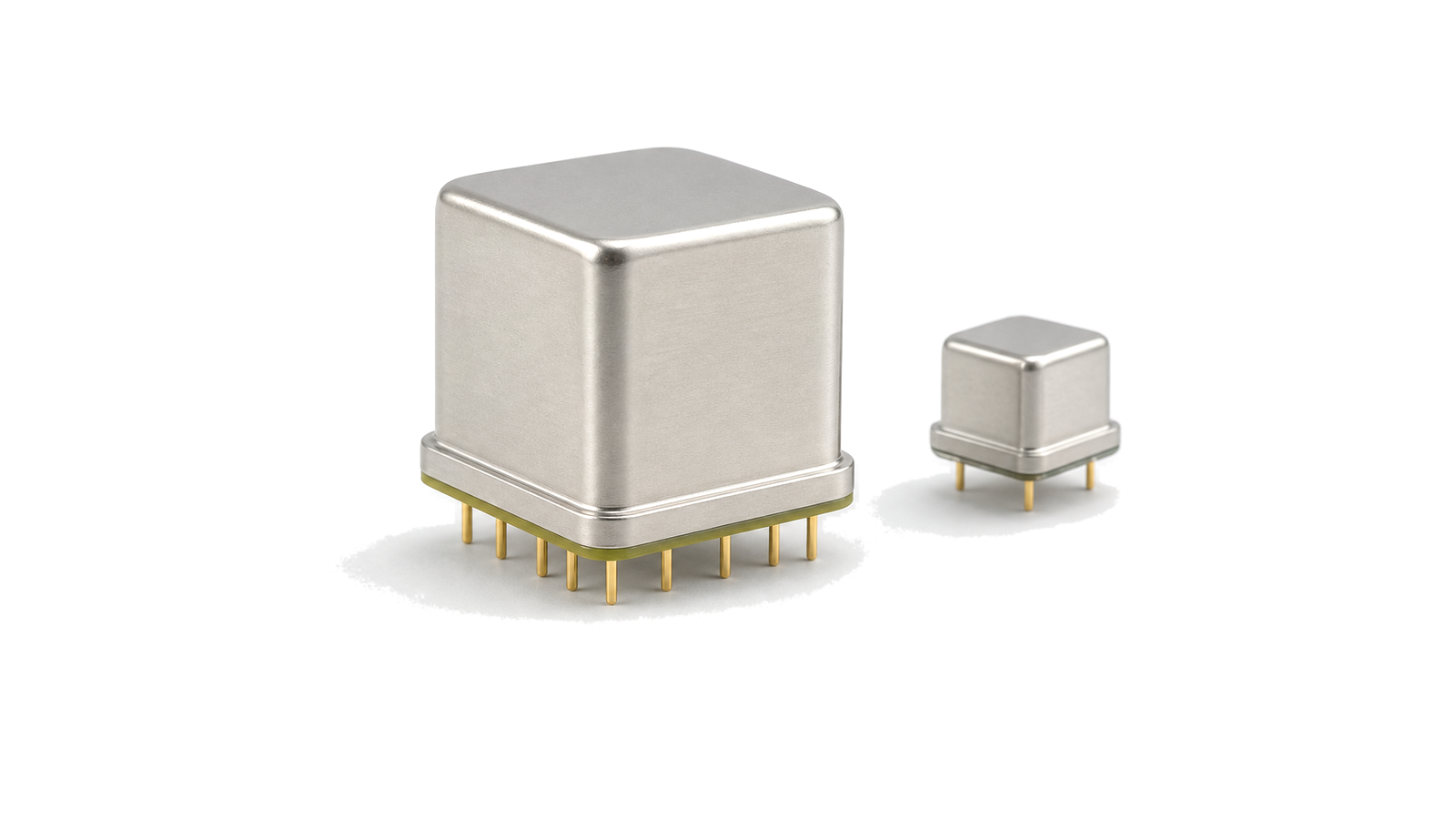
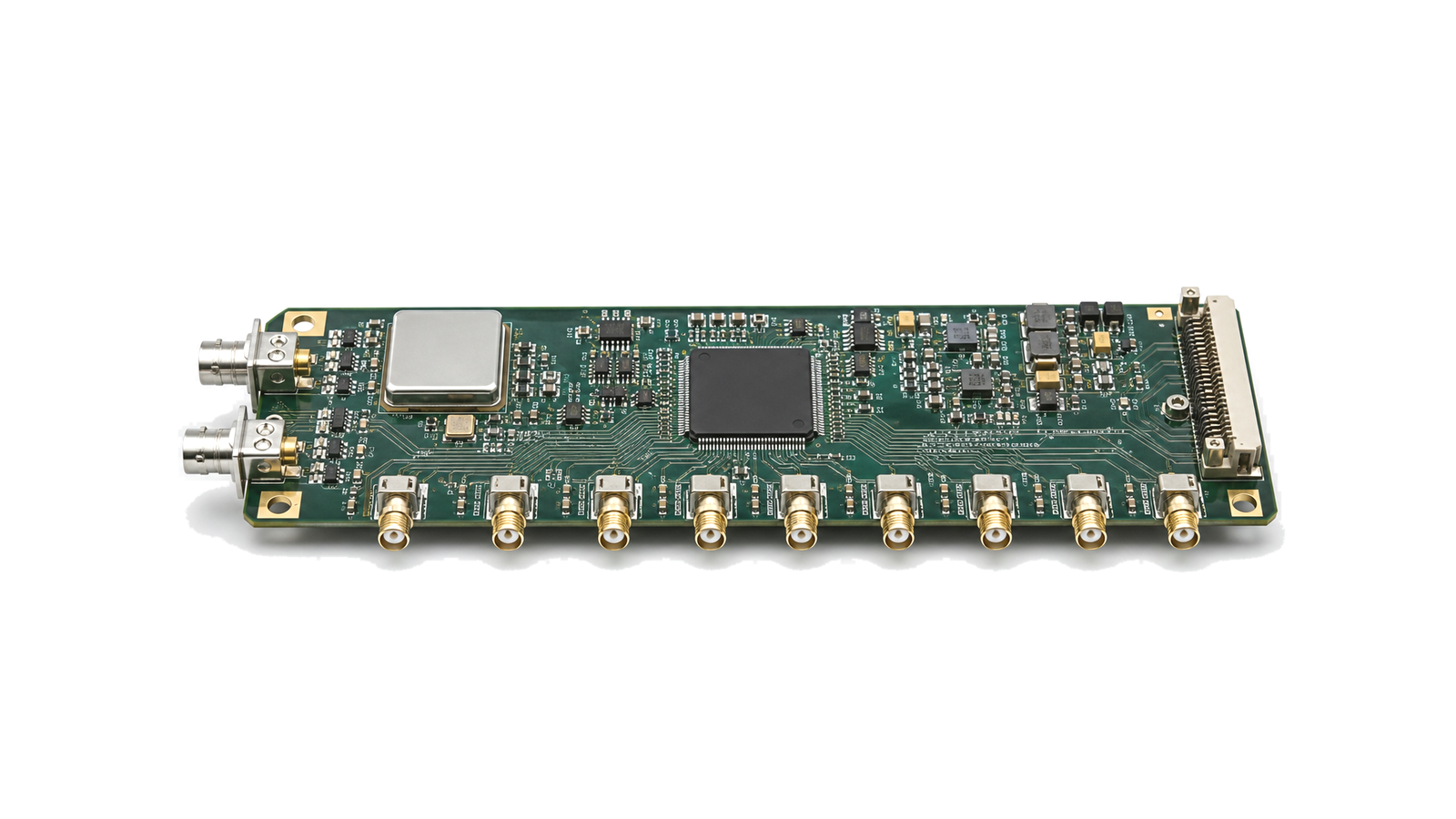
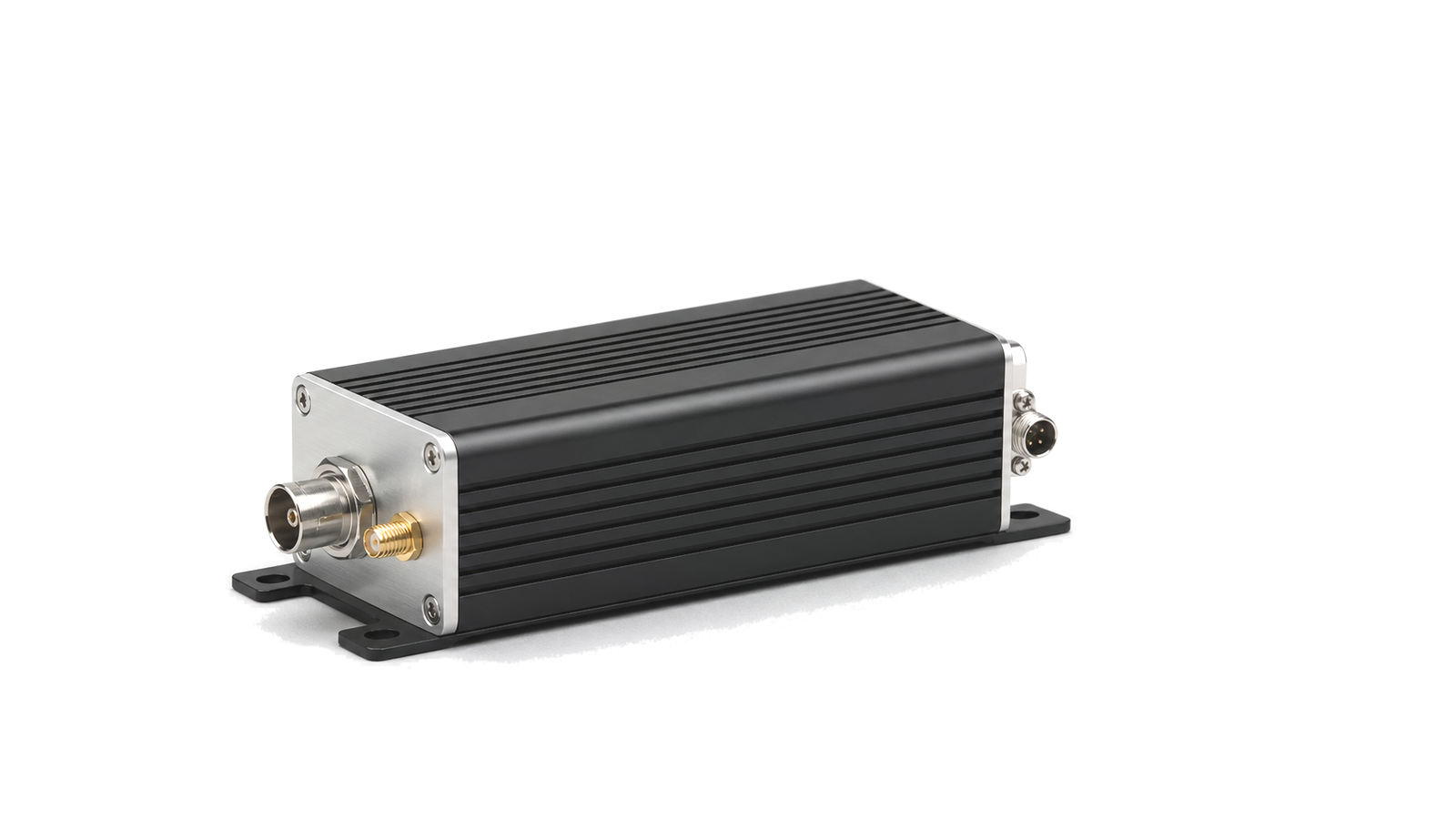
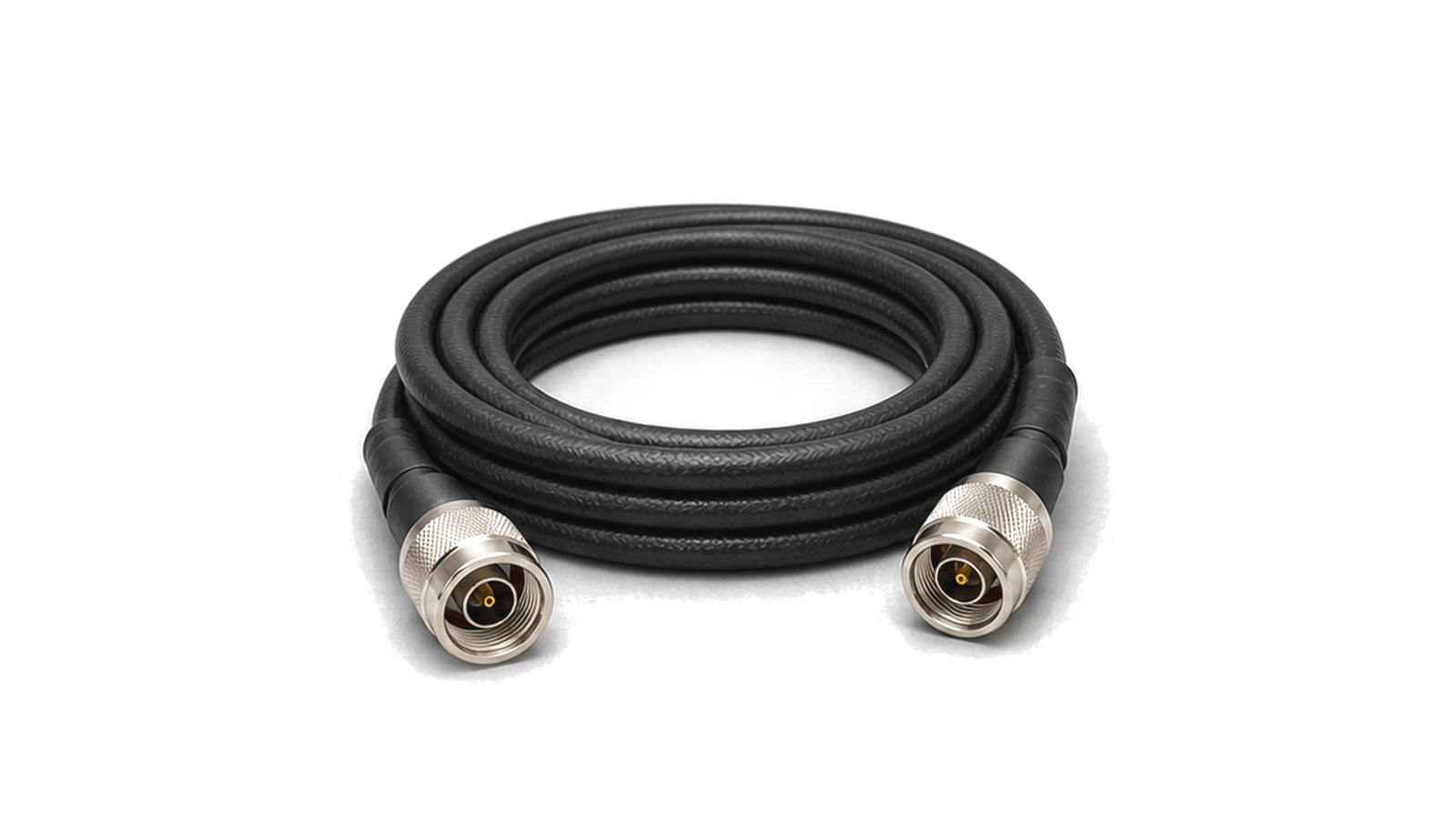
The application includes oven-controlled crystal oscillators, clock distribution and jitter-cleaning modules, reference modules and low-loss cables. Practical behavior is defined by reference stability, phase noise, jitter, output level, impedance, connector interface, cable delay, channel-to-channel skew, environmental drift and the way the reference is shared across the system.
Treat reception and timing as one evidence chain
- RF hardware for Precision Timing Distribution
- Define the service, operating environment and loss-of-signal behavior List the constellations, civil signals, frequency bands and simultaneous combinations the equipment must use. State whether the system supports basic navigation, multi-frequency positioning, fixed timing, time transfer or a holdover-dependent network....
- Precision Timing Distribution RF requirements
- Define the service, operating environment and loss-of-signal behavior List the constellations, civil signals, frequency bands and simultaneous combinations the equipment must use. State whether the system supports basic navigation, multi-frequency positioning, fixed timing, time transfer or a holdover-dependent network....
- Precision Timing Distribution RF architecture
- Define the service, operating environment and loss-of-signal behavior List the constellations, civil signals, frequency bands and simultaneous combinations the equipment must use. State whether the system supports basic navigation, multi-frequency positioning, fixed timing, time transfer or a holdover-dependent network....
- Precision Timing Distribution RF hardware selection
- Define the service, operating environment and loss-of-signal behavior List the constellations, civil signals, frequency bands and simultaneous combinations the equipment must use. State whether the system supports basic navigation, multi-frequency positioning, fixed timing, time transfer or a holdover-dependent network....
- Precision Timing Distribution RF testing and verification
- Verify the chain from antenna interface to the timing consumer
How to Specify a GNSS Receiver Front End and Precision Timing Chain
A practical method for defining GNSS and BeiDou antenna paths, filtering, low-noise gain, receiver interference tolerance, disciplined references, holdover and PPS or 10 MHz distribution with measurable acceptance evidence.