
LCRF

Privacy preferences

Choose optional purposes independently. You can change or withdraw your choice at any time from the footer.

Strictly necessary

Required for security, session functions and storing your privacy choice.

Always active
Preferences

Remembers optional display or language settings when these features are enabled.

Analytics

Uses first-party visitor and session identifiers to measure pages, referrals and inquiry interactions.

Marketing

Allows marketing measurement or third-party advertising technologies if they are introduced in the future.

Microwave Backhaul RF Chain

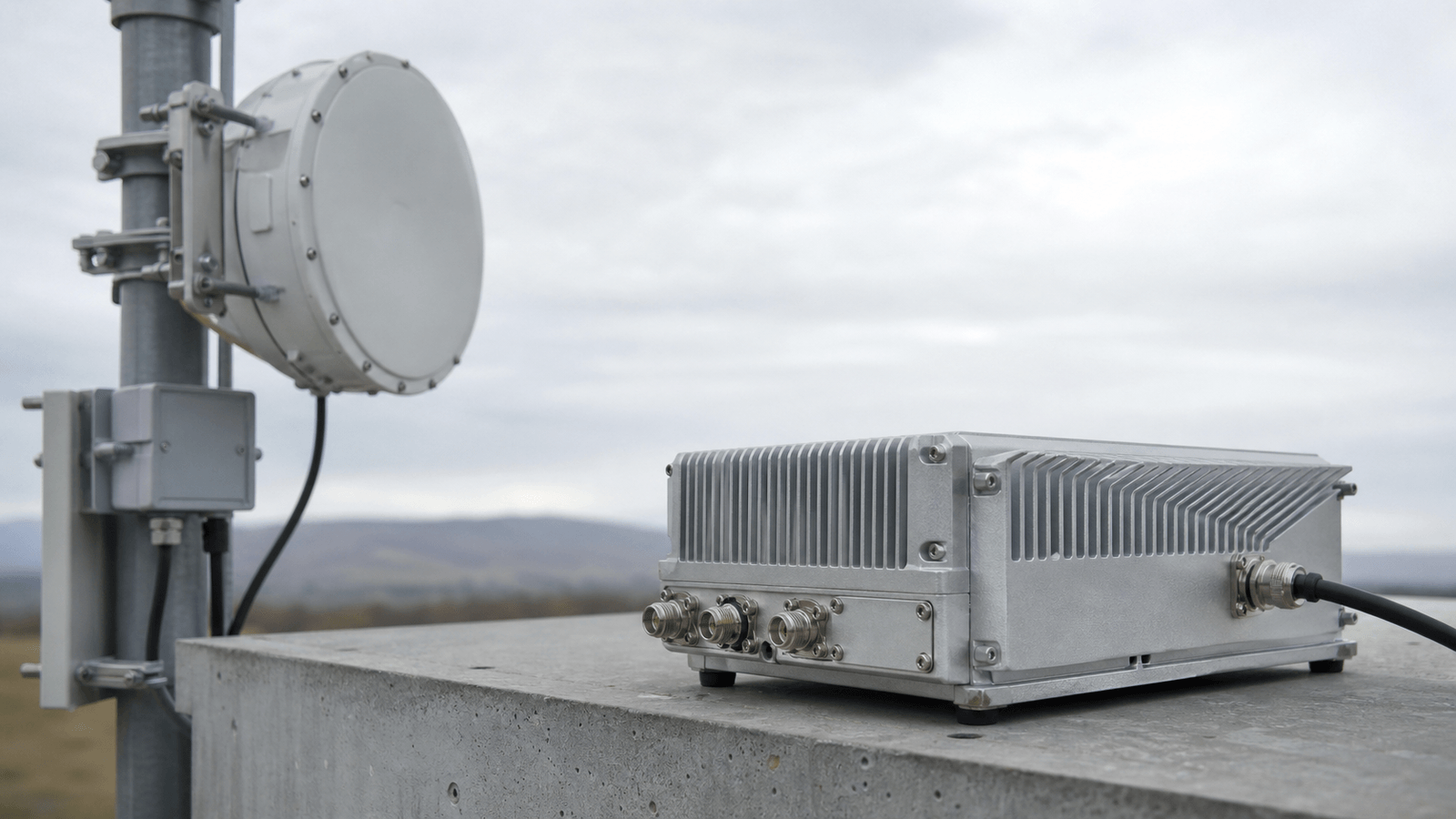
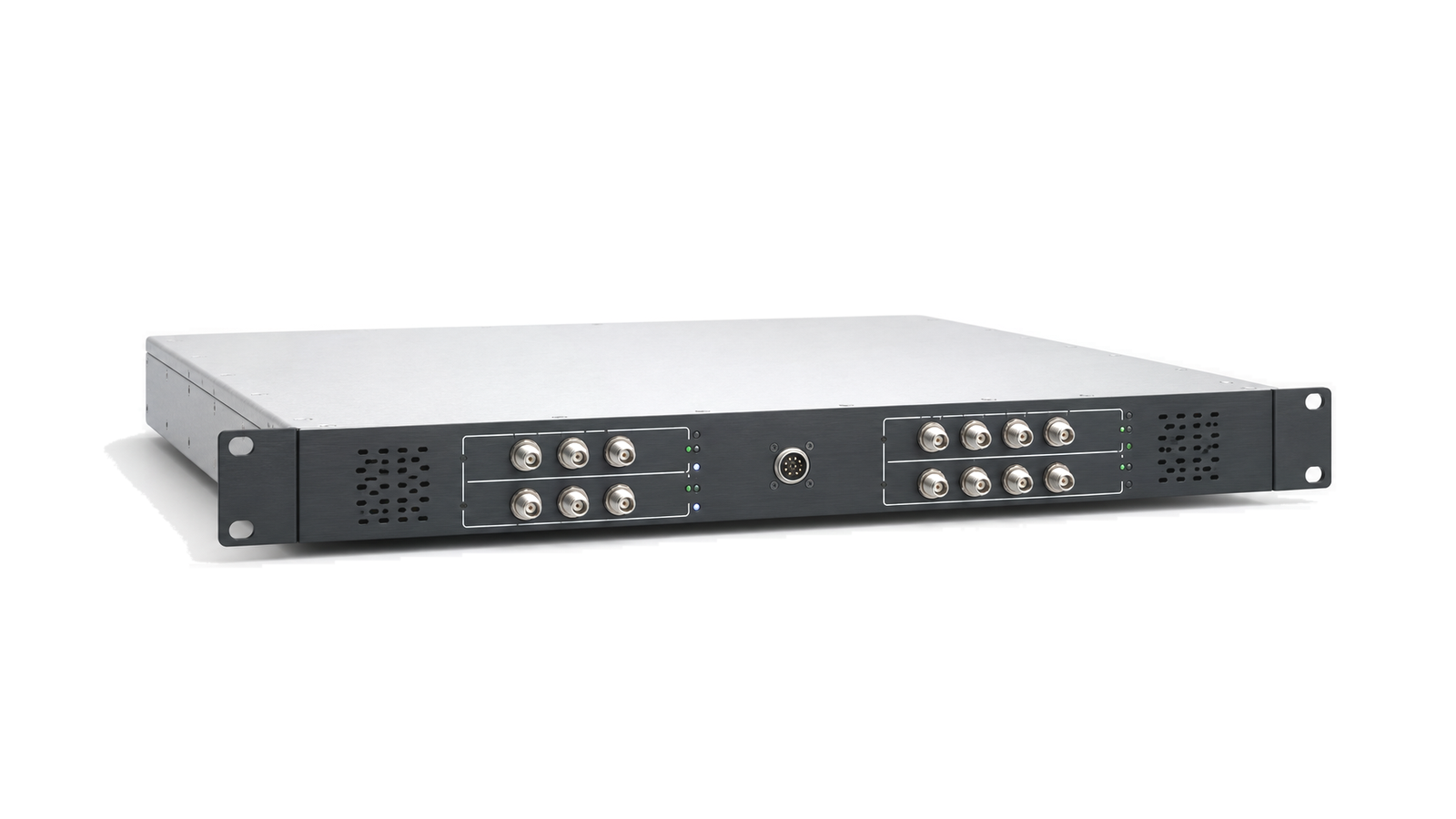
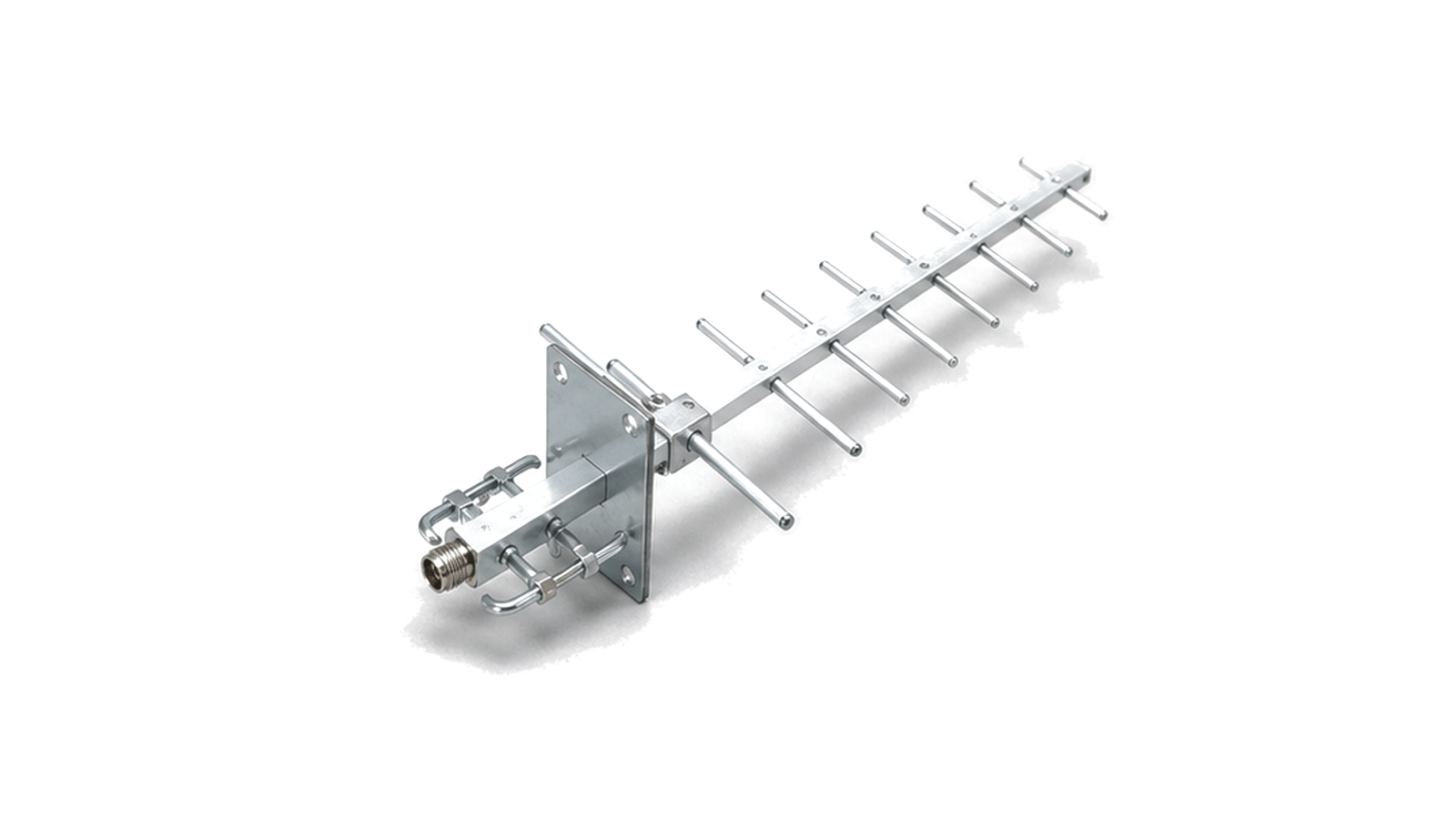
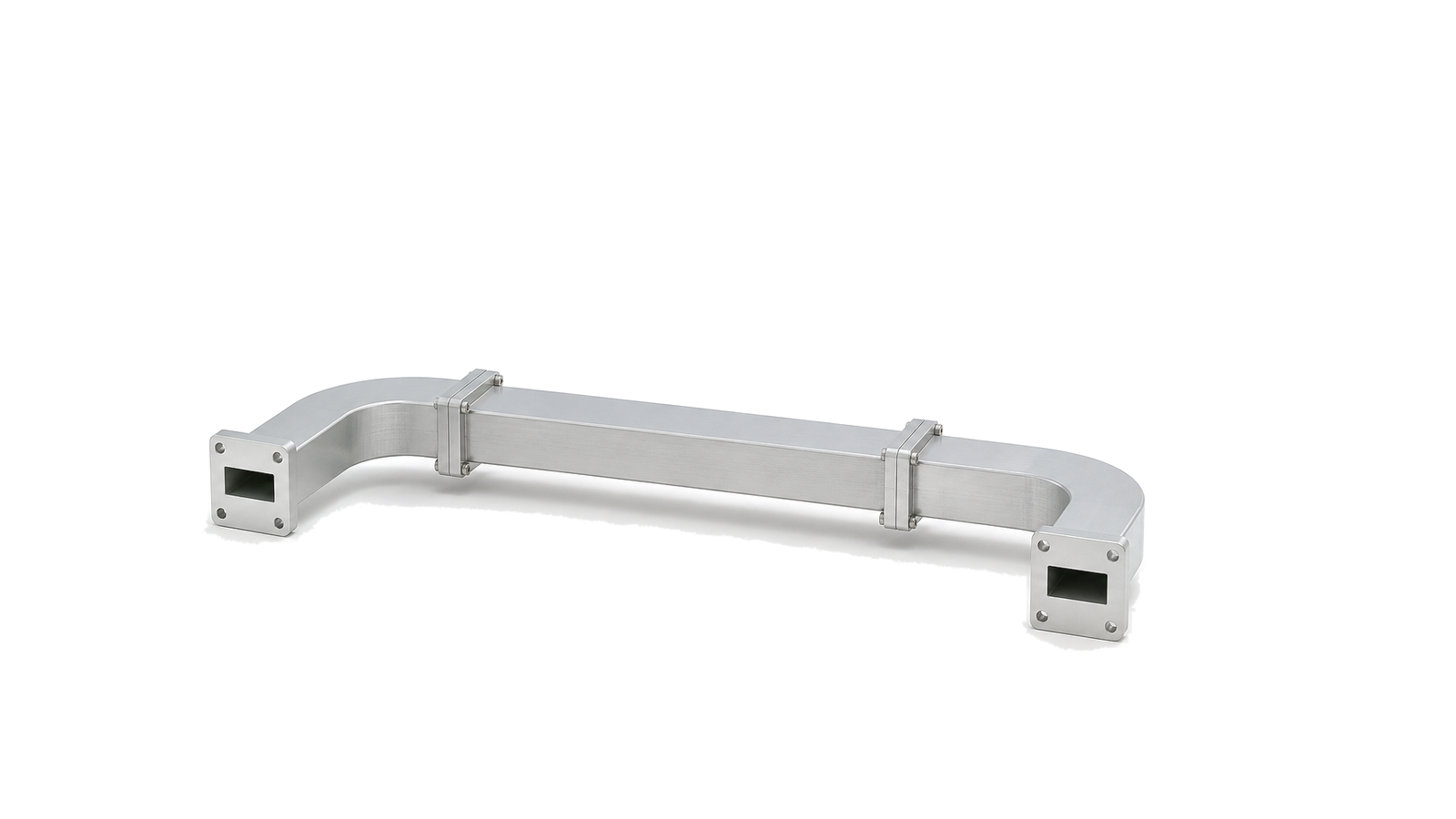
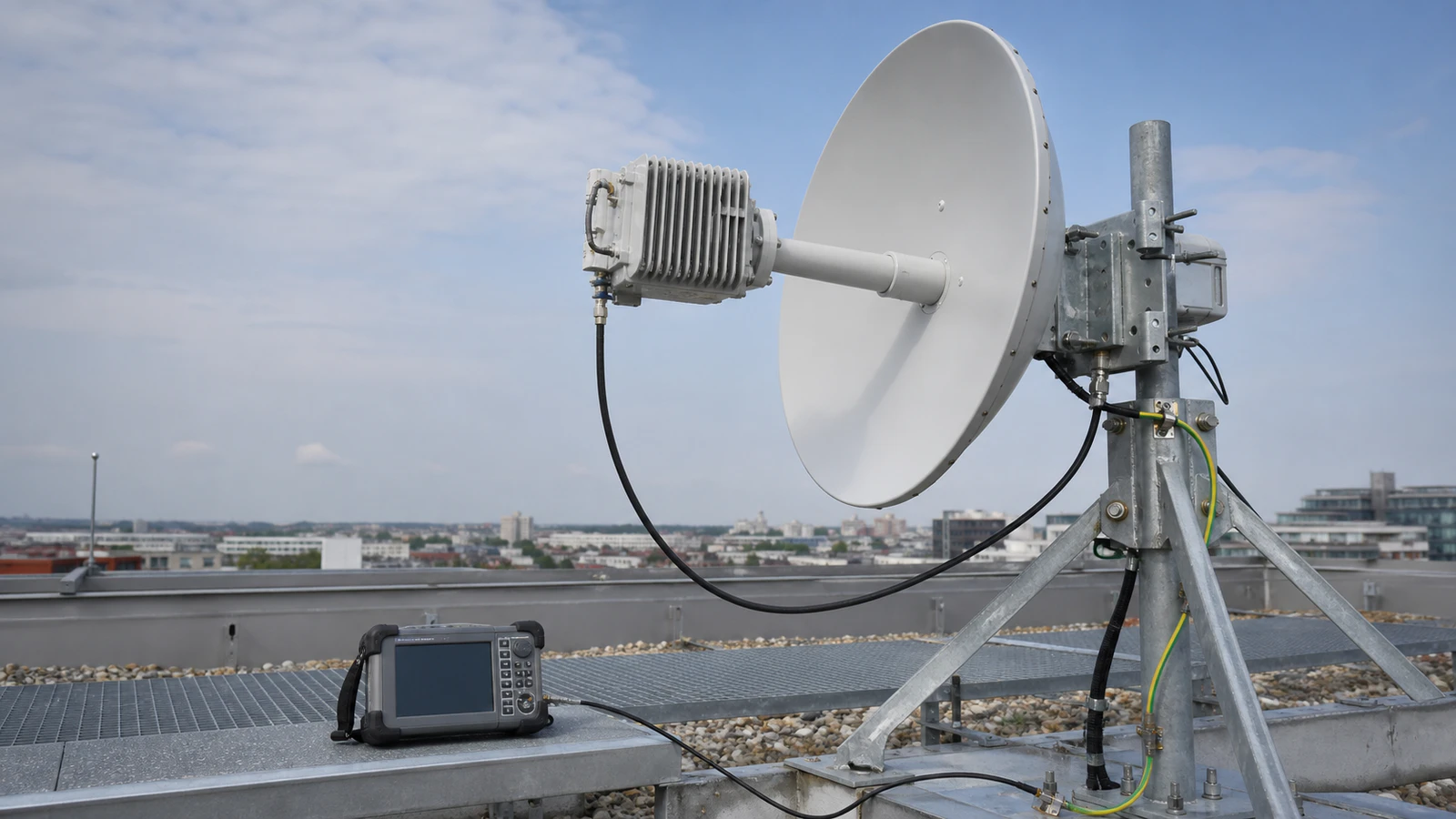
Microwave backhaul RF chains carry point-to-point traffic through conversion, filtering, amplification, directional antennas and low-loss interconnect. Band plan, channel width, transmit power, receiver margin, antenna gain and outdoor limits shape the chain.

Microwave Backhaul RF Chain RF solution visual

Microwave Backhaul RF Chain

Microwave backhaul RF chains connect fixed communication points where fiber is unavailable, delayed or impractical. The RF path usually includes frequency conversion, channel filtering, transmit amplification, receiver protection, directional antennas and low-loss cable or waveguide sections.

Link role

The chain must preserve signal level and spectral control across the outdoor unit, antenna feed and indoor or rack-mounted equipment. Practical decisions are driven by operating band, channel width, modulation format, transmit output level, receiver sensitivity, antenna gain, cable loss and environmental exposure.

Engineering data

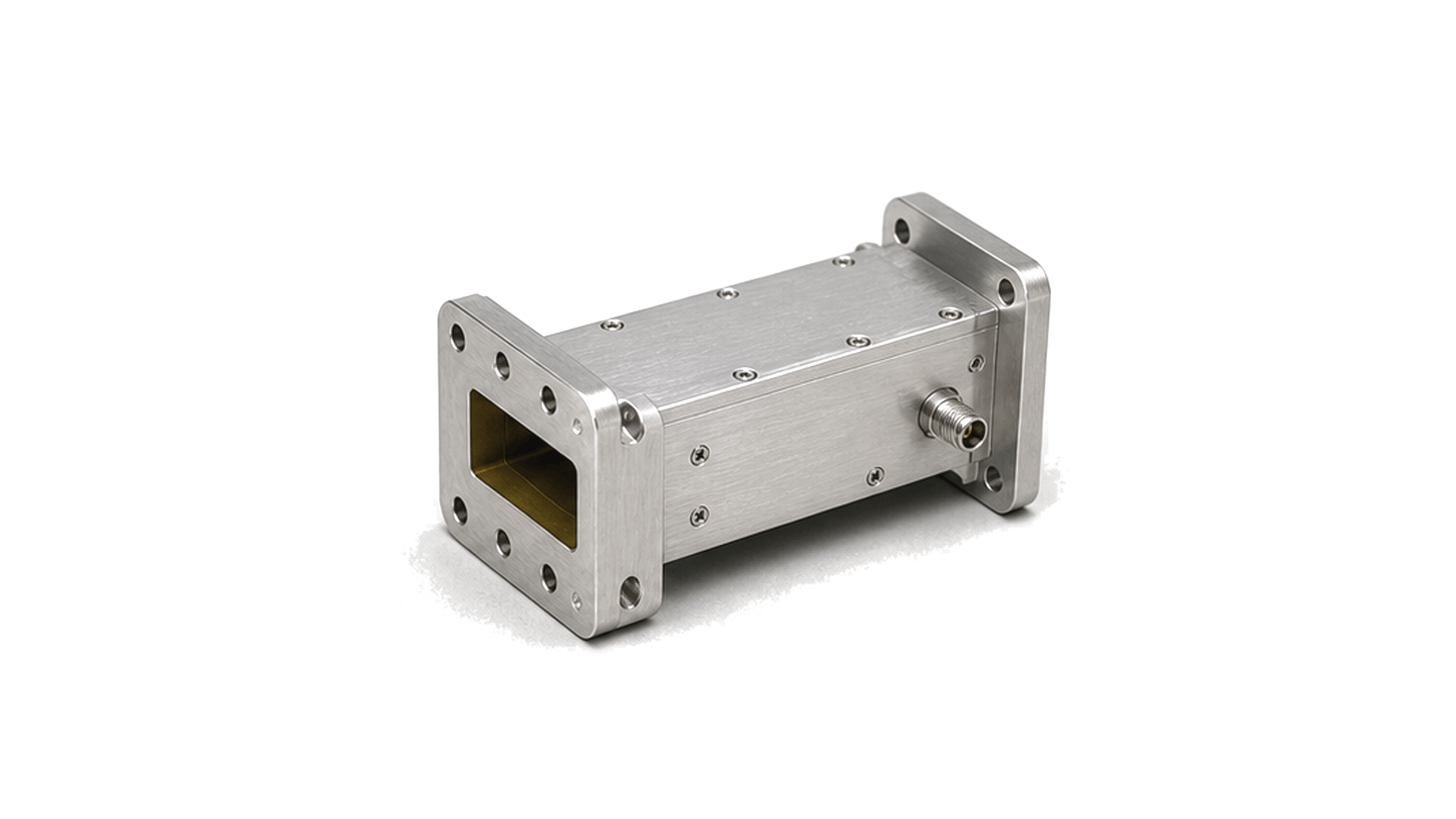
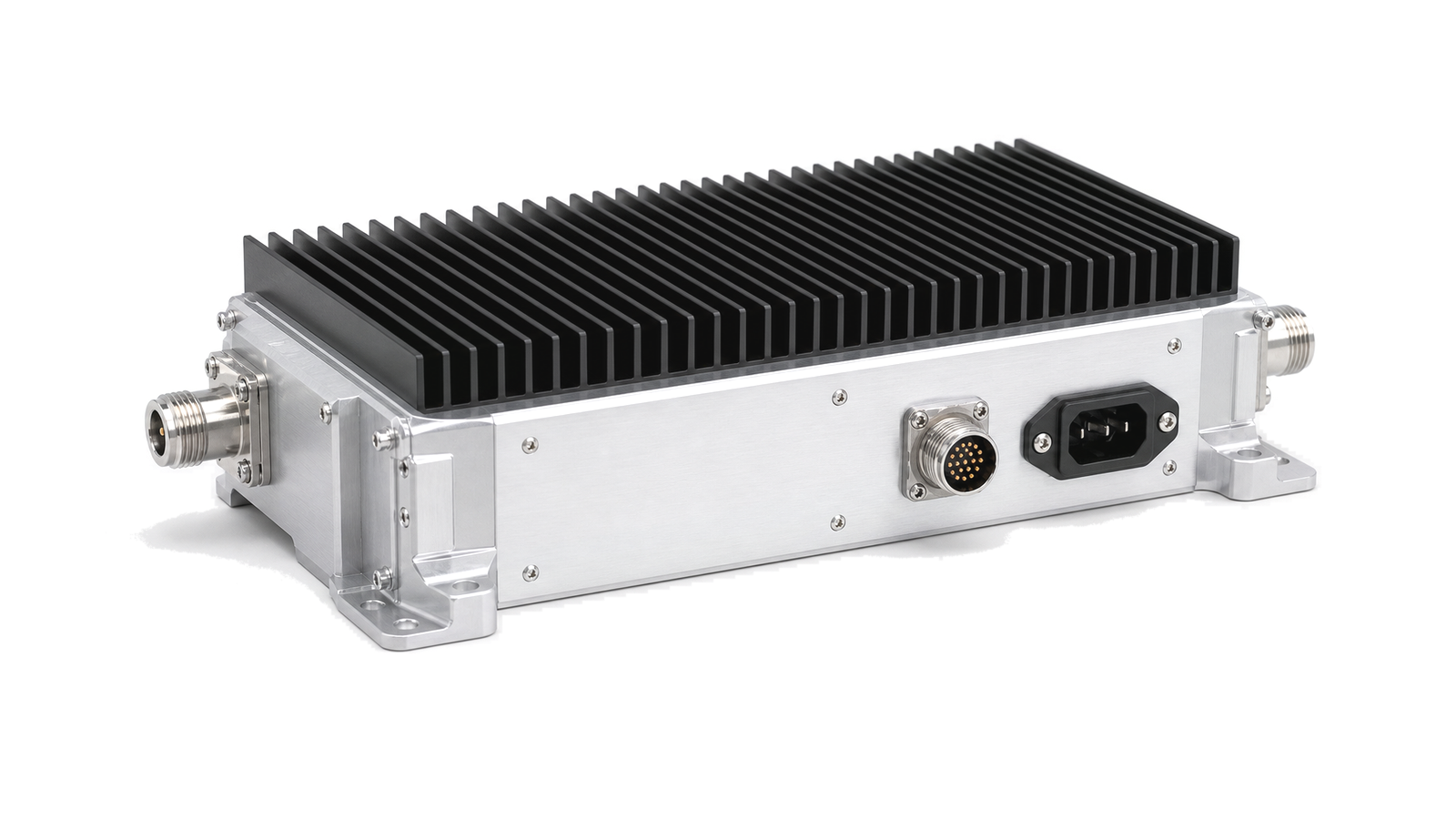
Useful engineering data includes RF and IF ranges, conversion gain or loss, filter passband, PA output power, antenna type, connector or waveguide interface, reference stability, enclosure conditions and available space for heat removal.
Articles

FAQ

Why can an installed antenna pattern differ from the free-space data sheet?

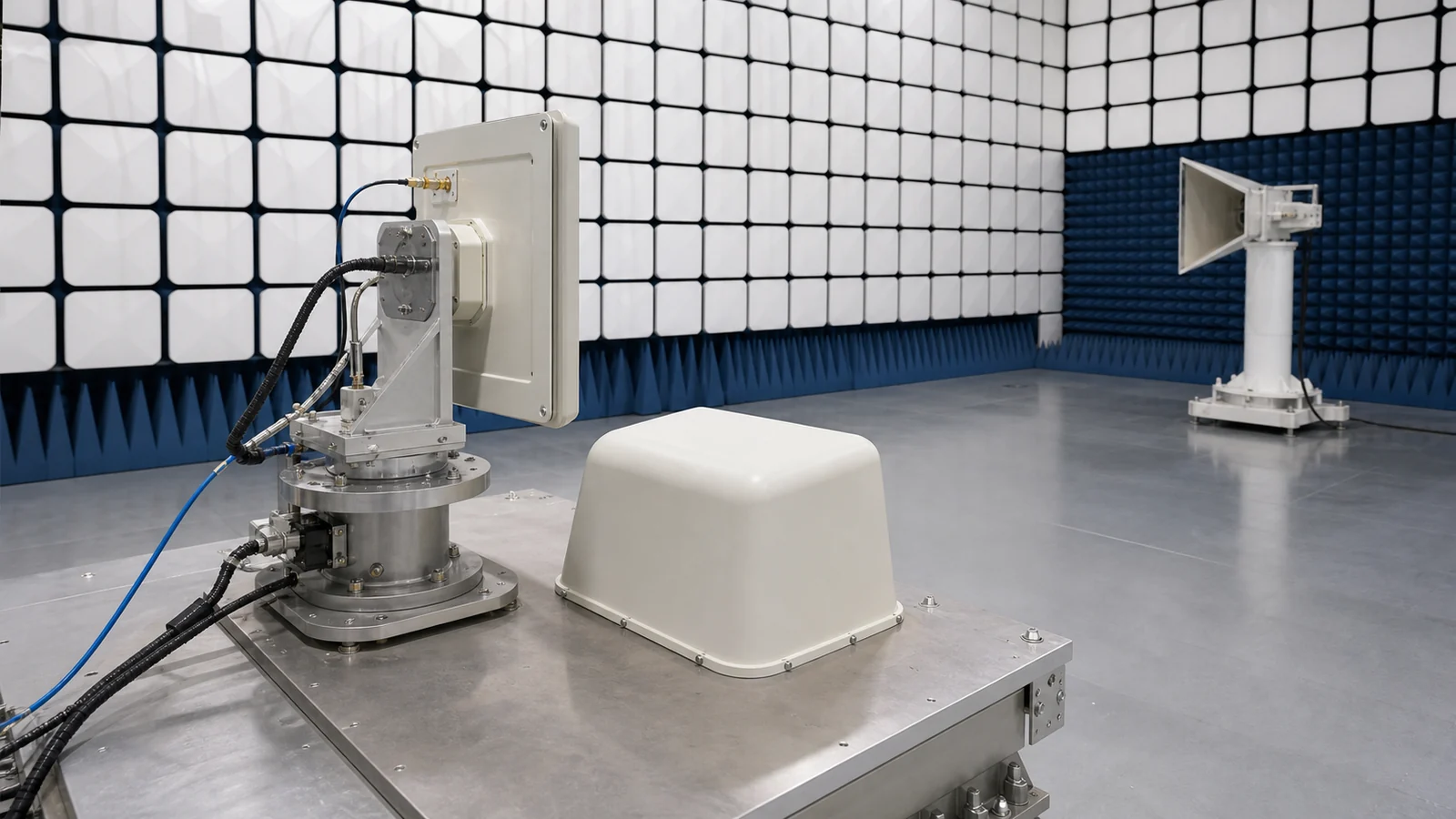
Ground planes, structures, cables, radomes and mounting tolerances change current distribution and scattering, which can alter match, gain, pattern, polarization and phase center.

How should linear, circular, axial-ratio and cross-polarization requirements be specified?

Define linear orientation or circular sense, the viewing and coordinate convention, axial ratio, cross-polar limits and the frequency and angular region where they apply.

Engineering inquiry

Share your RF requirement

Share the product, operating requirements and project context. Our engineering team will route your request to the right specialist.

AttachmentsAttach drawings, BOMs, specifications or test files. Up to 5 files, 10 MB each and 25 MB total.
or drag and dropPDF, DOCX, XLSX, CSV, TXT, JPG, PNG, S1P and S2P
Typically reviewed within one business dayProject information is handled confidentially