
LCRF

Privacy preferences

Choose optional purposes independently. You can change or withdraw your choice at any time from the footer.

Strictly necessary

Required for security, session functions and storing your privacy choice.

Always active
Preferences

Remembers optional display or language settings when these features are enabled.

Analytics

Uses first-party visitor and session identifiers to measure pages, referrals and inquiry interactions.

Marketing

Allows marketing measurement or third-party advertising technologies if they are introduced in the future.

RF Coaxial Cable Assemblies

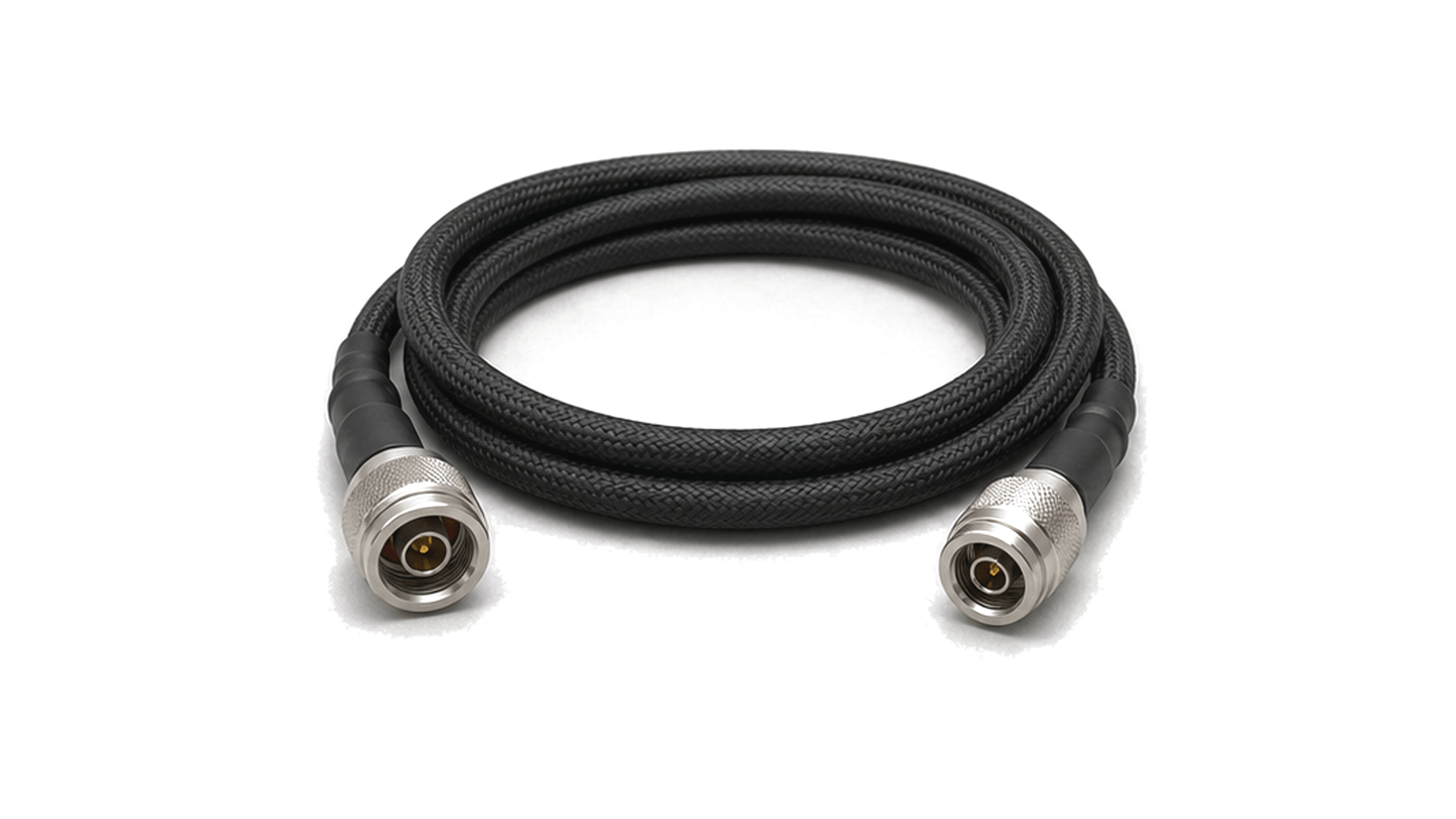
RF coaxial cable assemblies connect modules, antennas, panels and instruments while preserving impedance, shielding and repeatable signal loss across the routed path.

RF coaxial cable assembly with precision microwave connectors

Articles

FAQ

What must be specified for a mobile-platform RF antenna and coax installation?

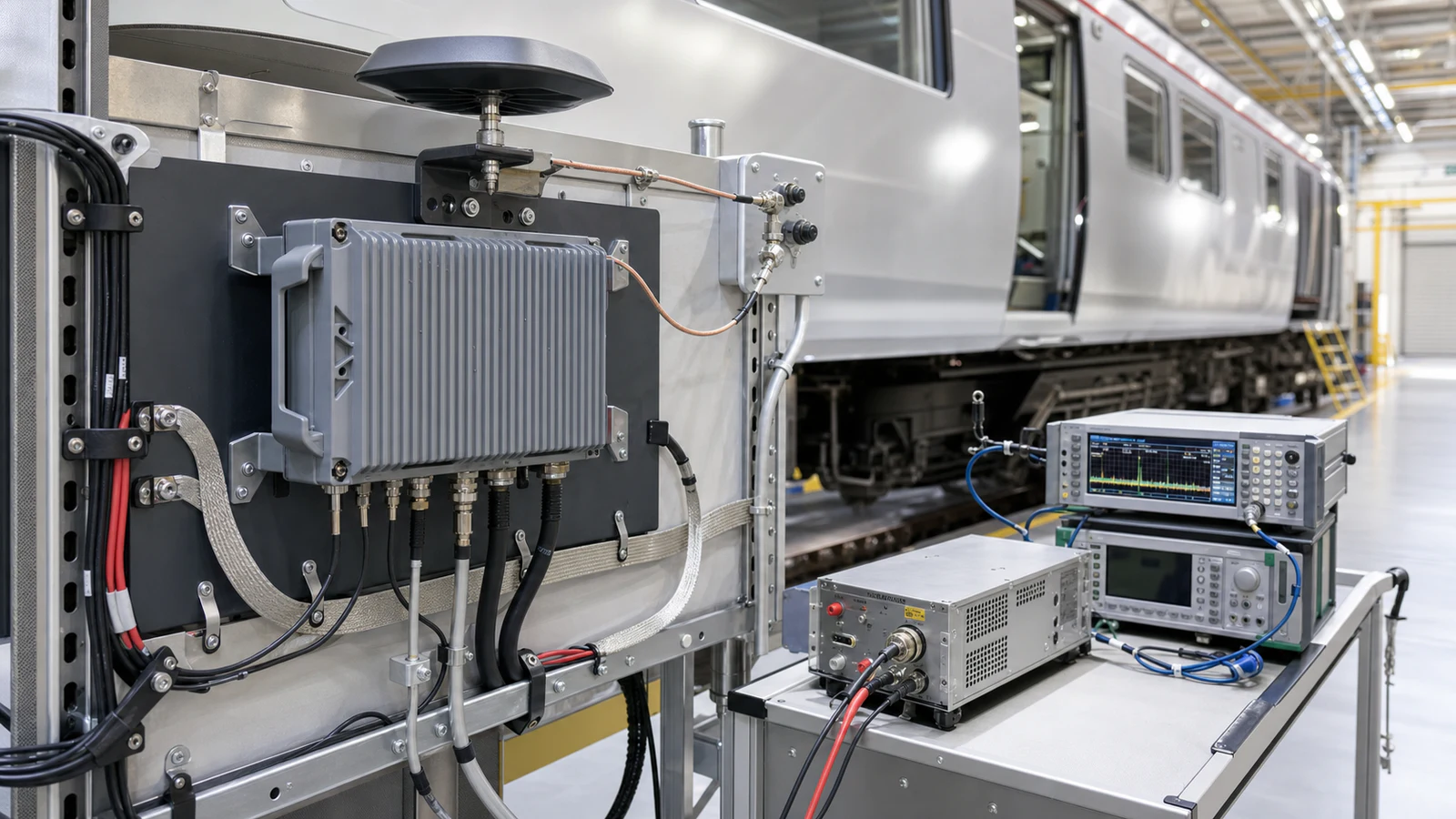
Define the installed antenna boundary, body or ground plane, feedthrough, protection, complete coax route, reference planes, mechanical support and replacement limits.

How should vehicle power transients, returns and chassis bonding be specified for RF hardware?

Specify the voltage and transient at the equipment terminals with source impedance and harness state, then control returns, shields and chassis bonds as separate verified paths.

How should DMSMS, obsolescence and part substitutions be controlled in RF electronics?

Monitor supply risk across the life cycle, evaluate impact before shortages become urgent, and approve alternates through configuration control and requirement-based re-verification.

What serviceability and lifecycle evidence should accompany mobile RF hardware?

Deliver installation identity, maintainability limits, acceptance results, diagnostics, spares and configuration-controlled change triggers that keep field evidence valid.

How are environmental and EMC tests tailored for rail, maritime, road and airborne RF hardware?

Derive test category, severity, axes, harness, operating modes and pass criteria from the exact installation rather than treating a platform standard as a universal certificate.

How should environmental requirements be written for aerospace RF hardware?

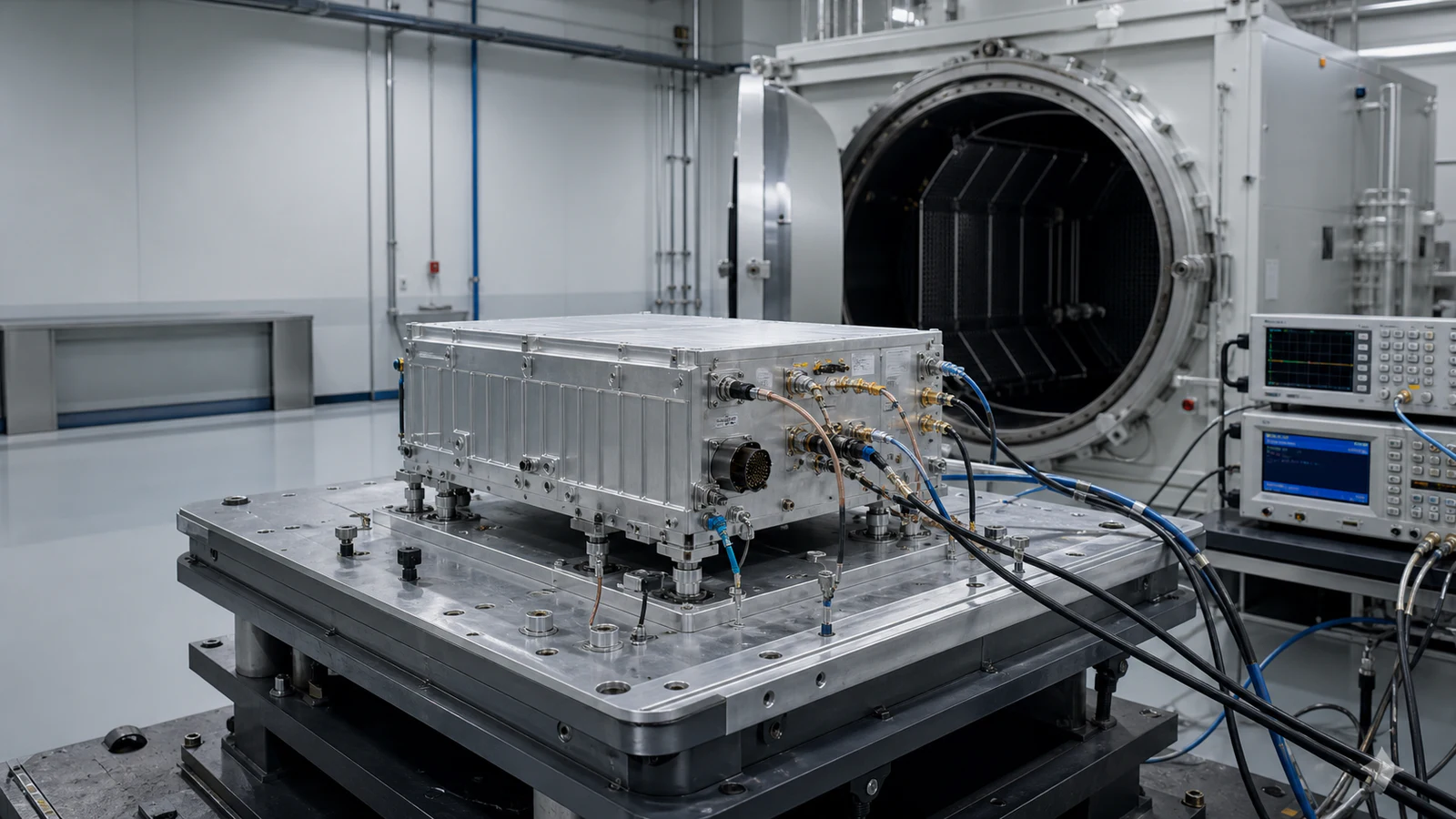
Derive stress, axes, duration, operating state, monitoring and pass criteria from the item boundary and actual storage, transport, launch or service profile instead of listing standards alone.

What qualification and acceptance evidence belongs with an RF payload or mission hardware delivery?

Deliver a requirement-linked verification matrix, article pedigree, approved procedures, raw results, uncertainty, environmental logs, anomalies and the exact configuration index for each unit.

Which parts and configuration traceability records should accompany aerospace RF hardware?

Trace the delivered serial through BOM, approved sources, lots, processes, drawings, firmware, calibration, deviations and verification results so evidence can be tied to one configuration.

Engineering inquiry

Share your RF requirement

Share the product, operating requirements and project context. Our engineering team will route your request to the right specialist.

AttachmentsAttach drawings, BOMs, specifications or test files. Up to 5 files, 10 MB each and 25 MB total.
or drag and dropPDF, DOCX, XLSX, CSV, TXT, JPG, PNG, S1P and S2P
Typically reviewed within one business dayProject information is handled confidentially

RF coaxial cable assemblies

RF coaxial cable assemblies provide controlled signal paths between RF modules, antennas, panels, fixtures and instruments. They combine cable type, connector format and assembly length into a finished interconnect that must keep impedance, shielding and mechanical routing consistent.

Interconnect data

Relevant data includes connector series, gender, impedance, frequency range, insertion loss, return loss or VSWR, shielding, phase stability, bend radius, minimum bend cycles, jacket material, operating temperature and assembly length. These values determine how the cable behaves after installation, movement and repeated service handling.