

RF links for rail communication systems
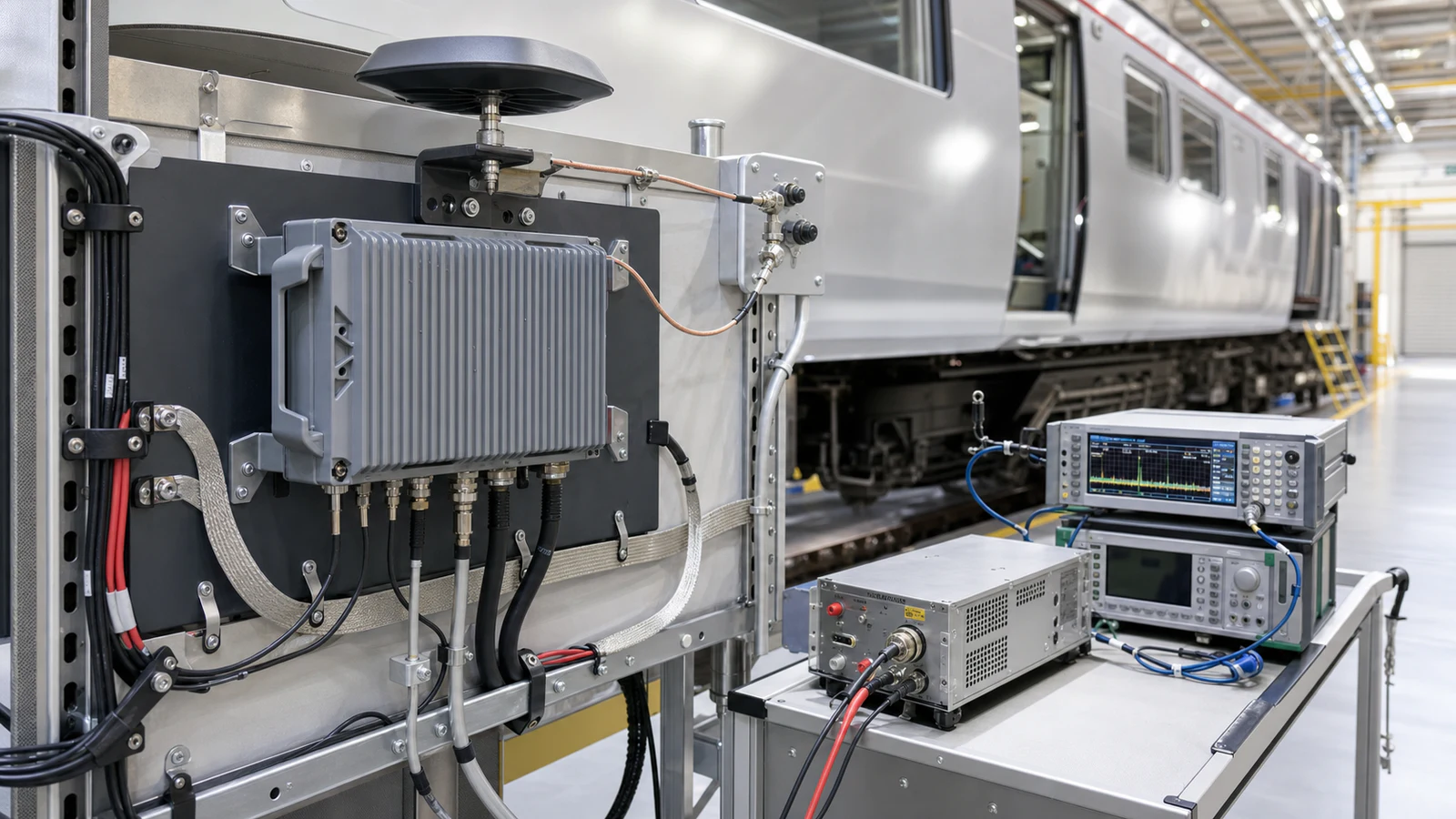
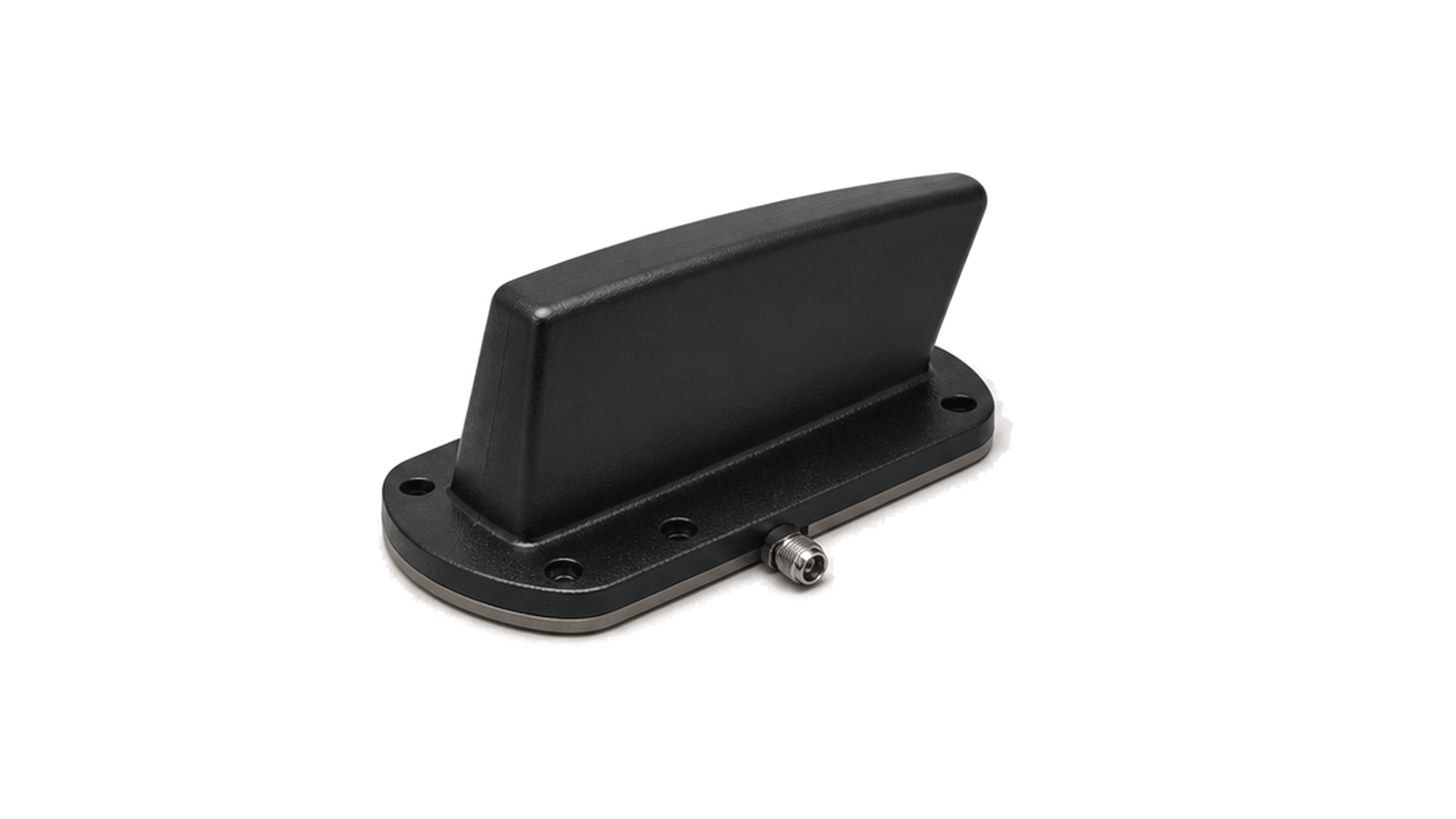
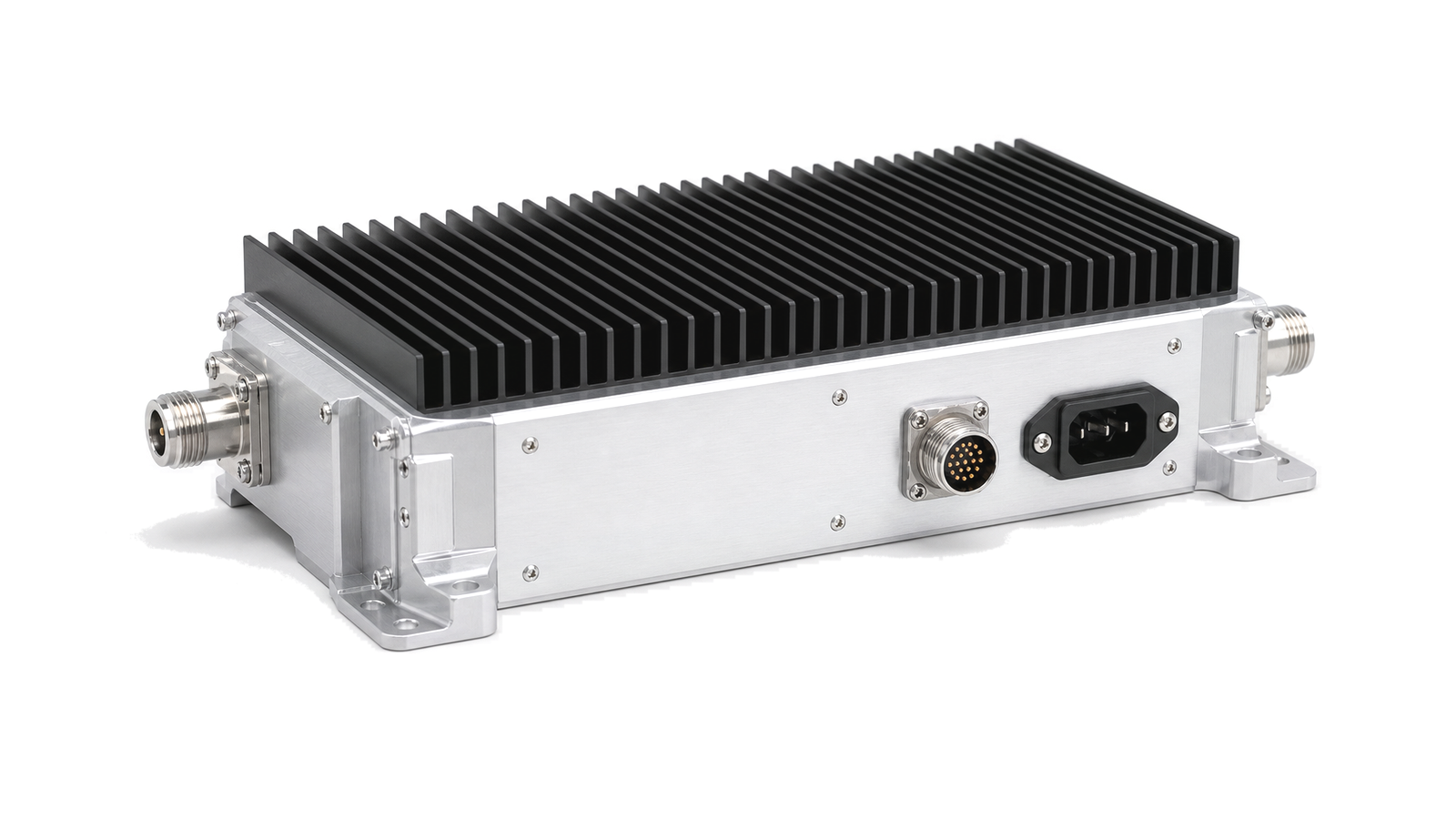
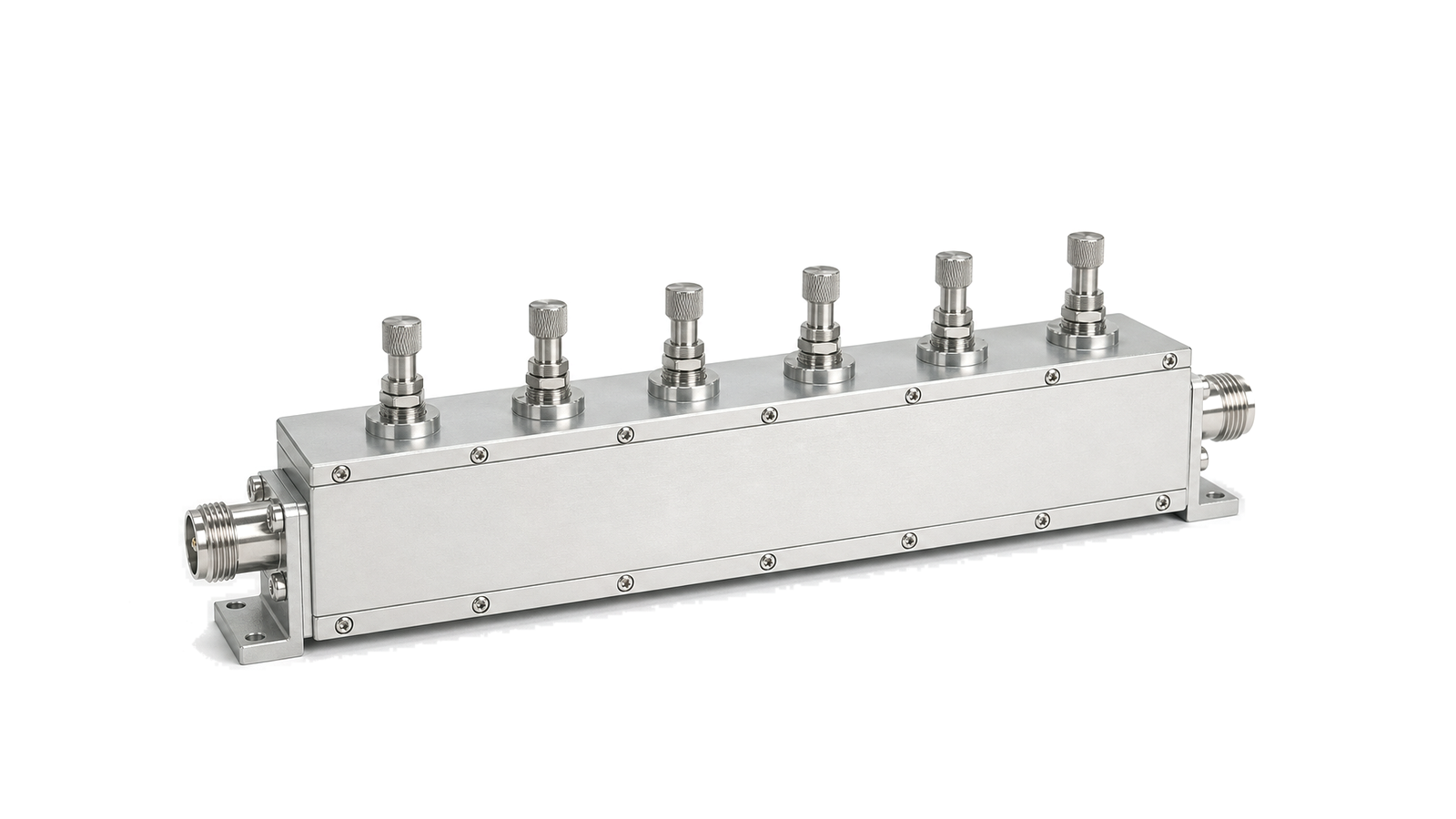
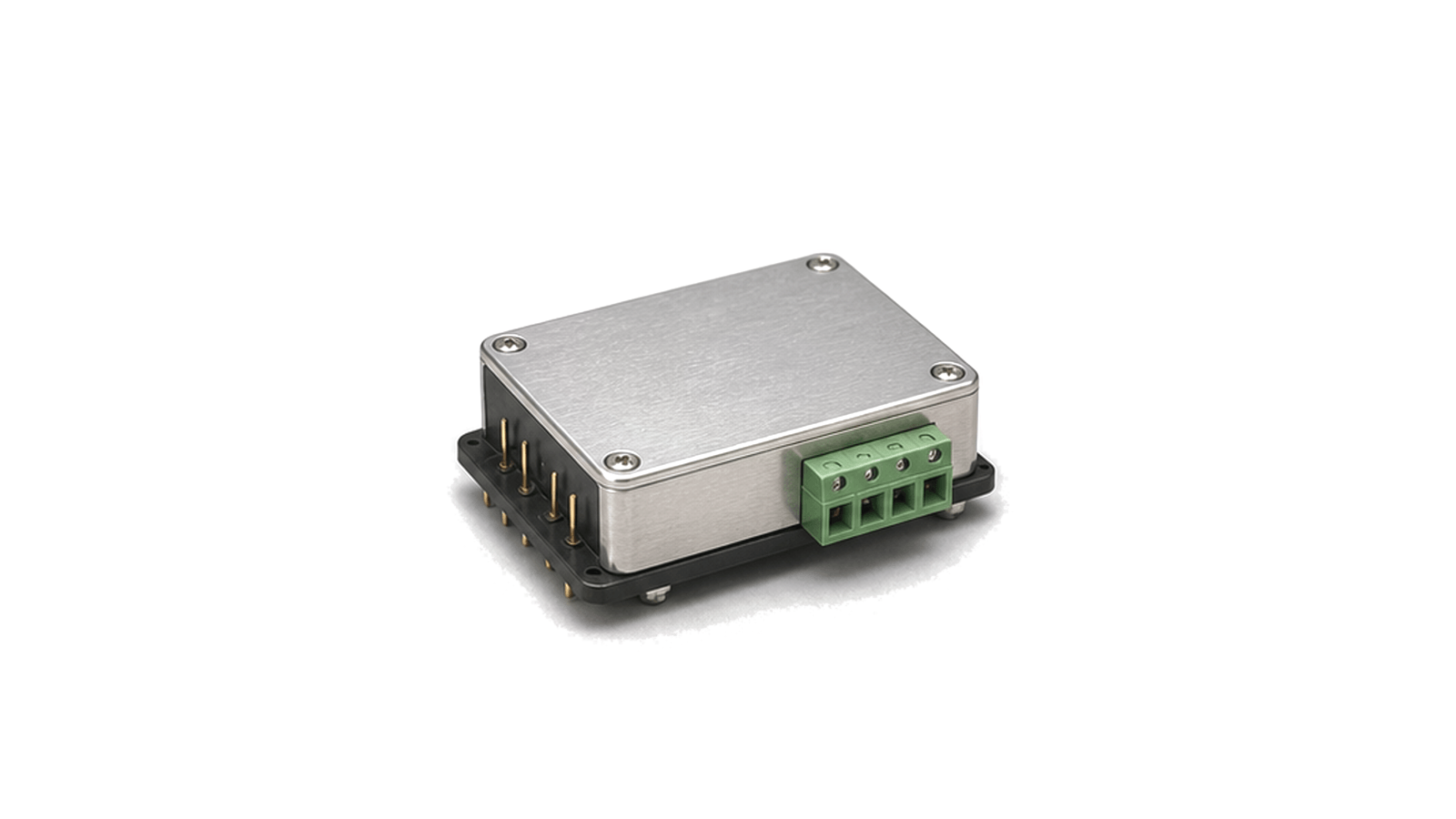
Rail communications depend on stable RF paths between trains, trackside infrastructure, stations, tunnels, depots and control systems. The hardware boundary may include vehicle or trackside antennas, RF power amplifiers, bandpass filters, coaxial cable assemblies and DC-DC power modules that support onboard radios and fixed communication points.
Engineering boundary
The practical design boundary is shaped by route coverage, tunnel loss, station density, antenna mounting position, vibration, cable routing, ingress protection, electromagnetic interference, power budget and maintenance access. These conditions affect signal continuity along the route, radio reliability on moving platforms and the consistency of communication between vehicle and wayside equipment.
Treat the installed item as one controlled RF boundary
- RF hardware for Rail Communications
- Name the platform, mounting zone and exact installed item State whether the item is a component, remote front end, radio enclosure, antenna subsystem, cable assembly, line-replaceable unit or complete installed path....
- Rail Communications RF requirements
- Name the platform, mounting zone and exact installed item State whether the item is a component, remote front end, radio enclosure, antenna subsystem, cable assembly, line-replaceable unit or complete installed path....
- Rail Communications RF architecture
- Name the platform, mounting zone and exact installed item State whether the item is a component, remote front end, radio enclosure, antenna subsystem, cable assembly, line-replaceable unit or complete installed path....
- Rail Communications RF hardware selection
- Name the platform, mounting zone and exact installed item State whether the item is a component, remote front end, radio enclosure, antenna subsystem, cable assembly, line-replaceable unit or complete installed path....
- Rail Communications RF testing and verification
- Build the installed-platform verification flow
How to Specify RF Hardware for Rail, Maritime, Road and Airborne Platforms
Convert a moving-platform use case into an executable RF hardware specification by freezing the installed boundary, antenna and coax path, power transients, grounding, environmental and EMC conditions, service access, verification configuration and lifecycle evidence.