Automotive Radar RF Hardware
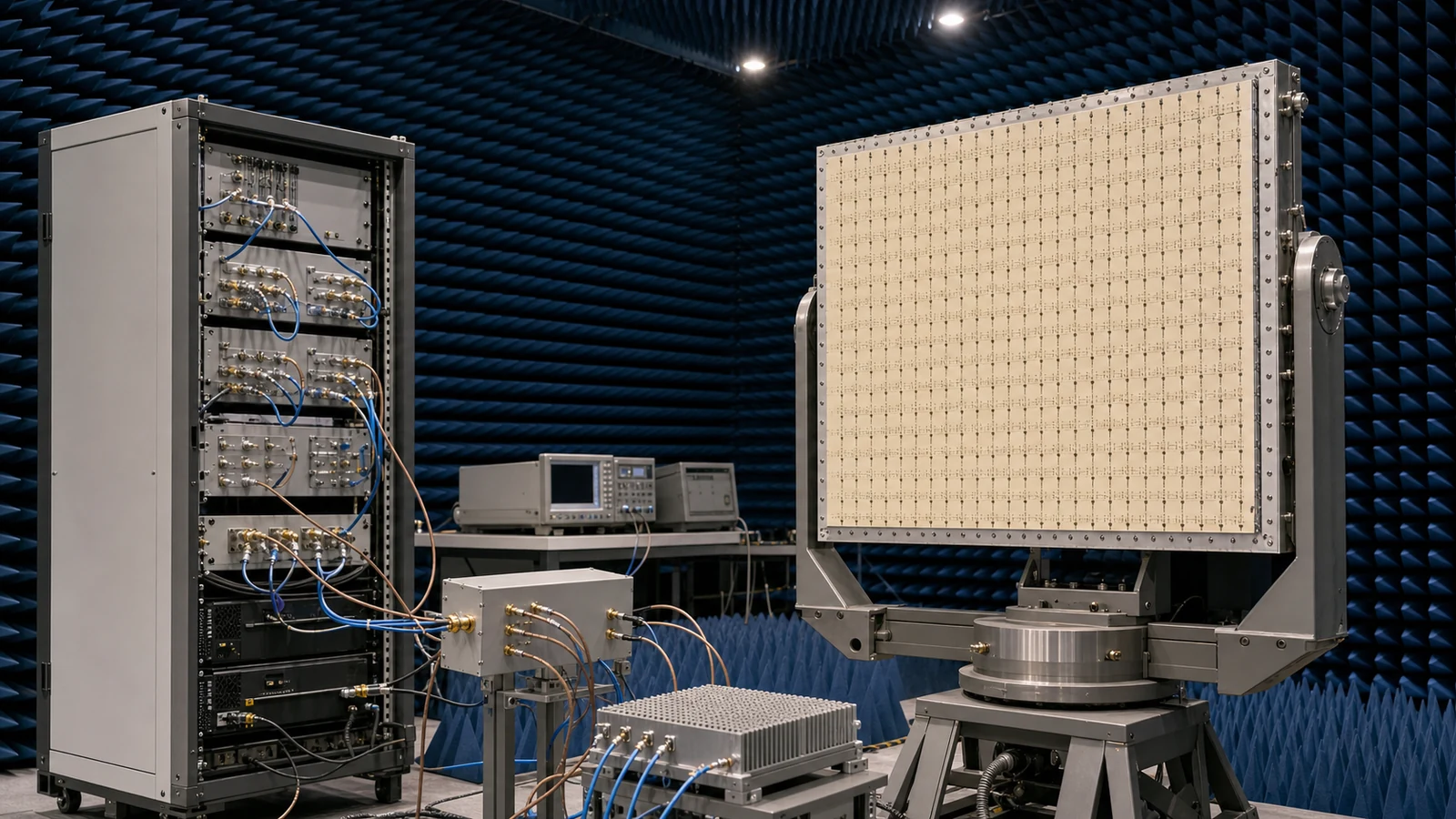
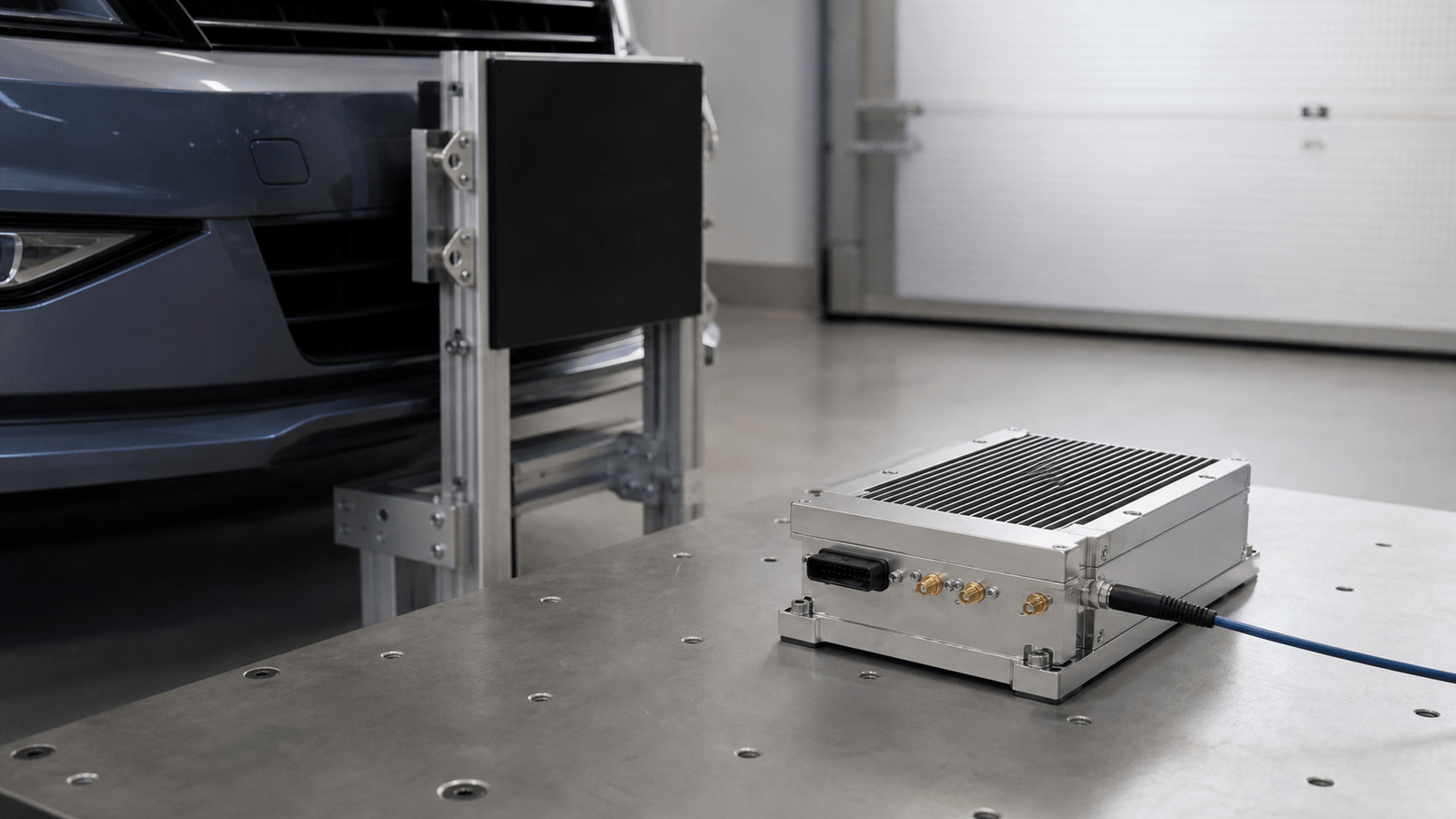
Automotive radar uses millimeter-wave RF paths to detect nearby objects, distance, speed and movement around vehicles. The RF section connects frequency generation, transmit output, receive sensitivity, filtering and antenna layout within a compact vehicle environment.
Engineering context
Relevant data includes radar band, chirp behavior, output level, receiver noise, phase stability, antenna pattern, package size, thermal behavior, vibration exposure and vehicle integration limits.
What RF hardware is required for Automotive Radar?
Automotive radar uses millimeter-wave RF paths to detect nearby objects, distance, speed and movement around vehicles.
How is an RF signal chain designed for Automotive Radar?
A system-engineering method for converting radar waveform, range, aperture, scan, dynamic range, timing, environment and calibration needs into RF front-end requirements and acceptance evidence.
- Put the pulse, range gate, scan edge and cooling limit on one sheet
- Translate operating needs into engineering boundaries
- Convert the waveform into peak, average and thermal requirements
Which RF specifications matter for Automotive Radar?
Relevant data includes radar band, chirp behavior, output level, receiver noise, phase stability, antenna pattern, package size, thermal behavior, vibration exposure and vehicle integration limits.
How do you test and verify RF hardware for Automotive Radar?
Put four things on the same engineering sheet before selecting radar hardware: the real transmit waveform, the nearest useful range gate, the scan and aperture extremes, and the worst cooling boundary. They expose the constraints that a component list hides. From that sheet, name the transmit, receive, array, timing, supply, thermal and calibration reference planes; then allocate peak and average power, receiver noise and linearity, Tx/Rx isolation and recovery, channel amplitude/phase/timing error and calibration reserve.
How to Turn Radar Mission Needs into Verifiable RF Front-End Requirements