
LCRF

Privacy preferences

Choose optional purposes independently. You can change or withdraw your choice at any time from the footer.

Strictly necessary

Required for security, session functions and storing your privacy choice.

Always active
Preferences

Remembers optional display or language settings when these features are enabled.

Analytics

Uses first-party visitor and session identifiers to measure pages, referrals and inquiry interactions.

Marketing

Allows marketing measurement or third-party advertising technologies if they are introduced in the future.

RF Mixers

RF mixers combine RF and LO signals to create sum and difference frequency products for upconversion, downconversion and test translation. They are used in receivers, transmitters, radar channels, spectrum equipment and microwave instruments.

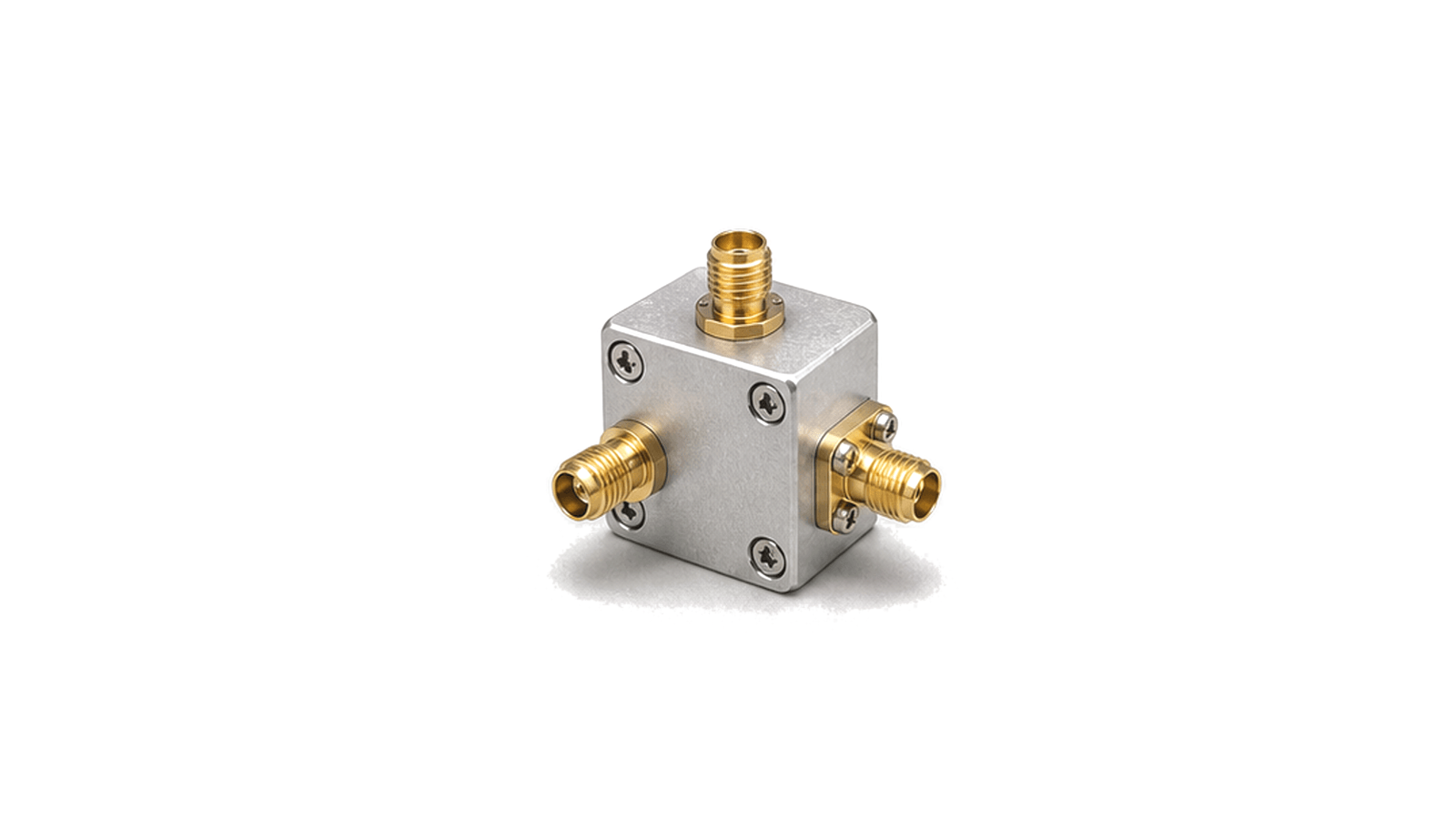
RF mixer module with coaxial interfaces

Articles

FAQ

How do LO drive level and LO leakage affect RF converter performance?

LO drive sets the mixer switching condition and therefore influences conversion response, compression and intermodulation, while LO leakage can disturb antennas, ADCs, amplifiers and adjacent channels.

What is the image response in an RF frequency converter, and how should it be controlled?

An image is an undesired input frequency that produces the same wanted IF through another valid mixing relationship; control it with frequency planning, preselection and verified image or IQ rejection.

Engineering inquiry

Share your RF requirement

Share the product, operating requirements and project context. Our engineering team will route your request to the right specialist.

AttachmentsAttach drawings, BOMs, specifications or test files. Up to 5 files, 10 MB each and 25 MB total.
or drag and dropPDF, DOCX, XLSX, CSV, TXT, JPG, PNG, S1P and S2P
Typically reviewed within one business dayProject information is handled confidentially

RF mixers

RF mixers use a nonlinear mixing element to combine an RF signal with a local oscillator signal and produce sum and difference frequency components. They can be used as the core conversion element inside receivers, transmitters, converters and measurement systems.

RF, LO and IF port behavior

Important data includes RF frequency range, LO frequency range, IF range, conversion loss or gain, LO drive level, port isolation, input compression, IP3, noise behavior, spurious response, impedance and package or connector format. These values shape image response, dynamic range and unwanted products in radar, communication, spectrum monitoring and RF test equipment.