
LCRF

Privacy preferences

Choose optional purposes independently. You can change or withdraw your choice at any time from the footer.

Strictly necessary

Required for security, session functions and storing your privacy choice.

Always active
Preferences

Remembers optional display or language settings when these features are enabled.

Analytics

Uses first-party visitor and session identifiers to measure pages, referrals and inquiry interactions.

Marketing

Allows marketing measurement or third-party advertising technologies if they are introduced in the future.

Weather Radar RF Hardware

RF and microwave hardware for weather radar transmit paths, antenna feeds, waveguide filtering and power verification.

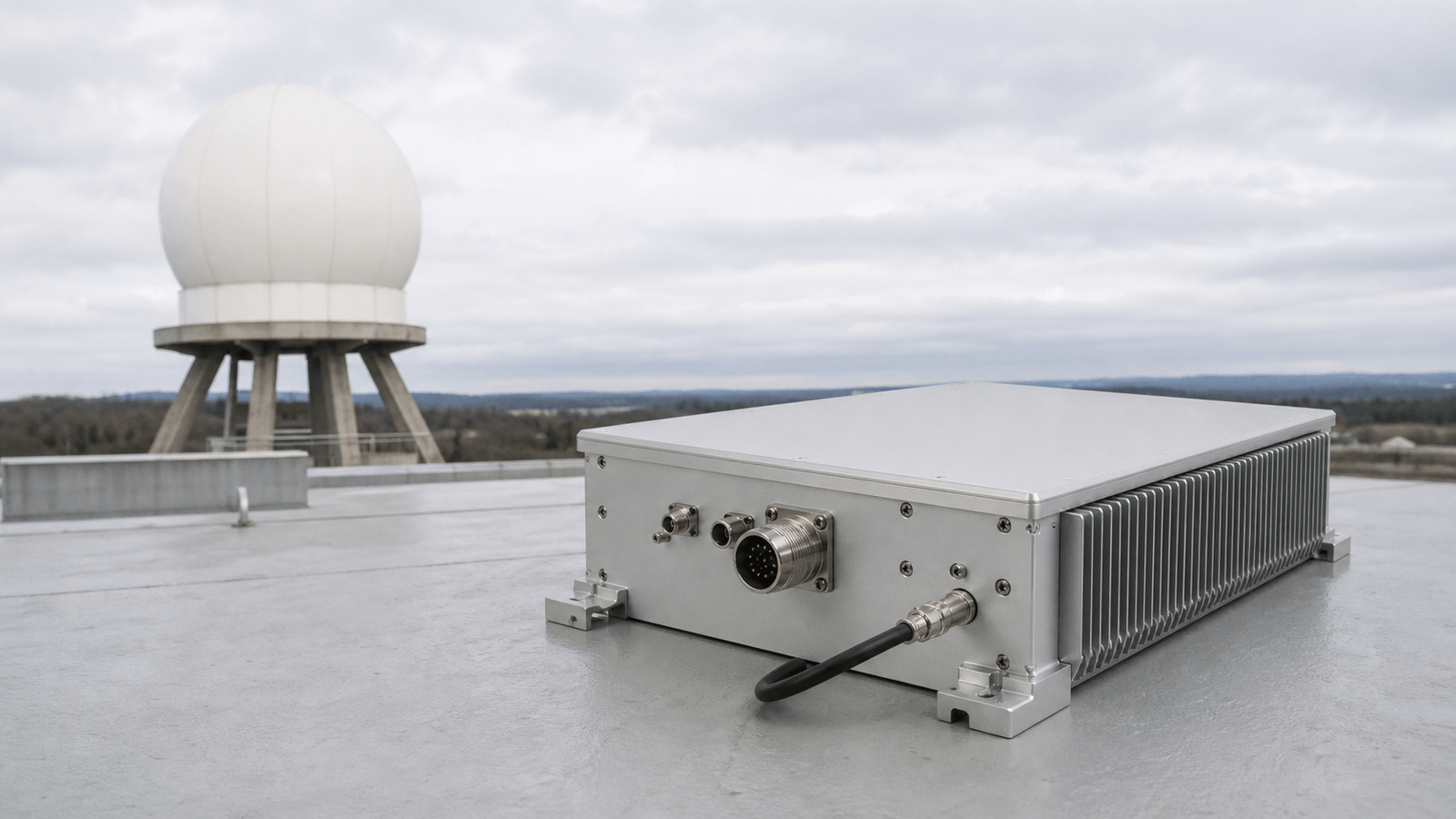
Weather Radar RF application visual

RF hardware for meteorological radar paths

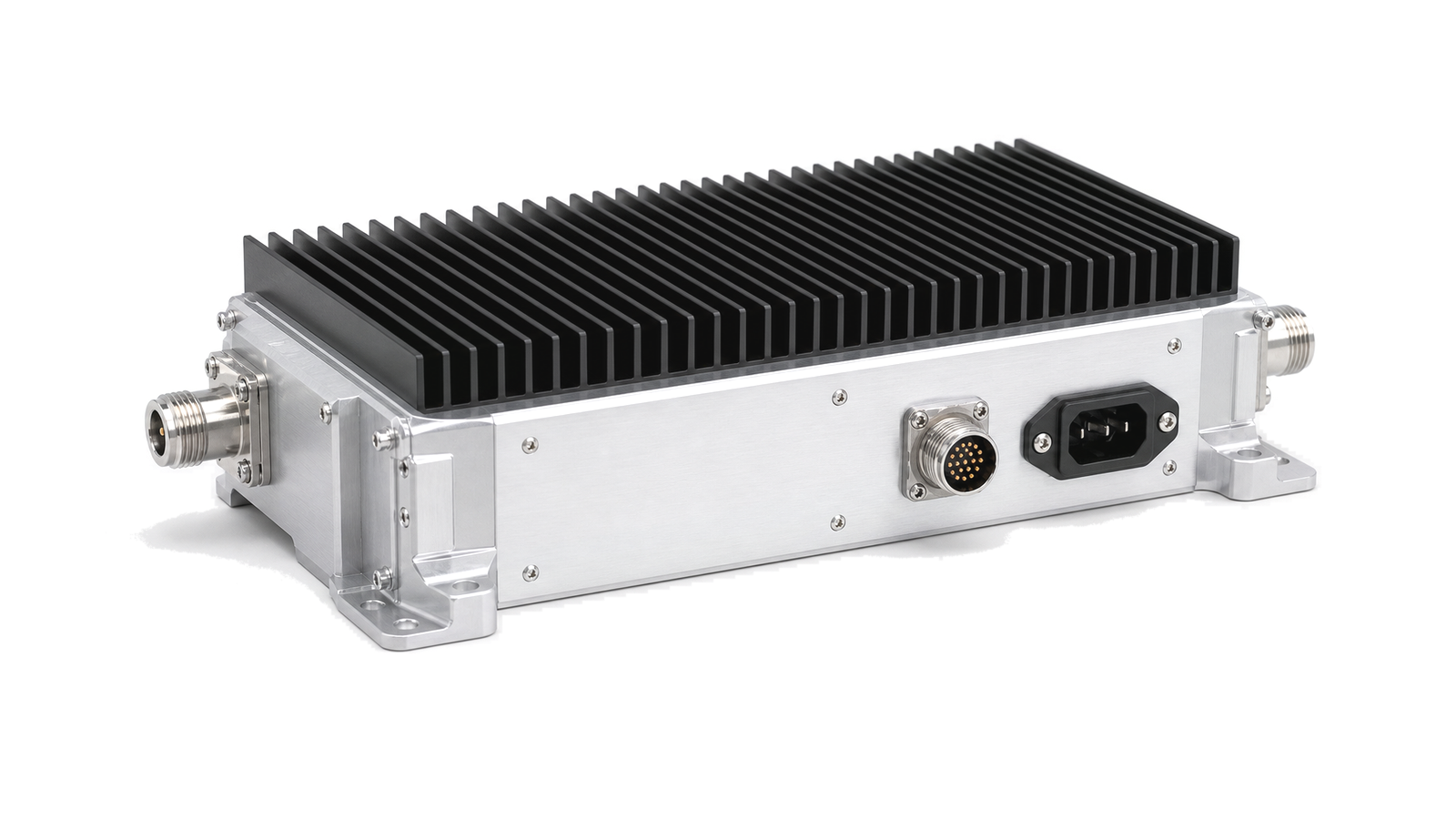
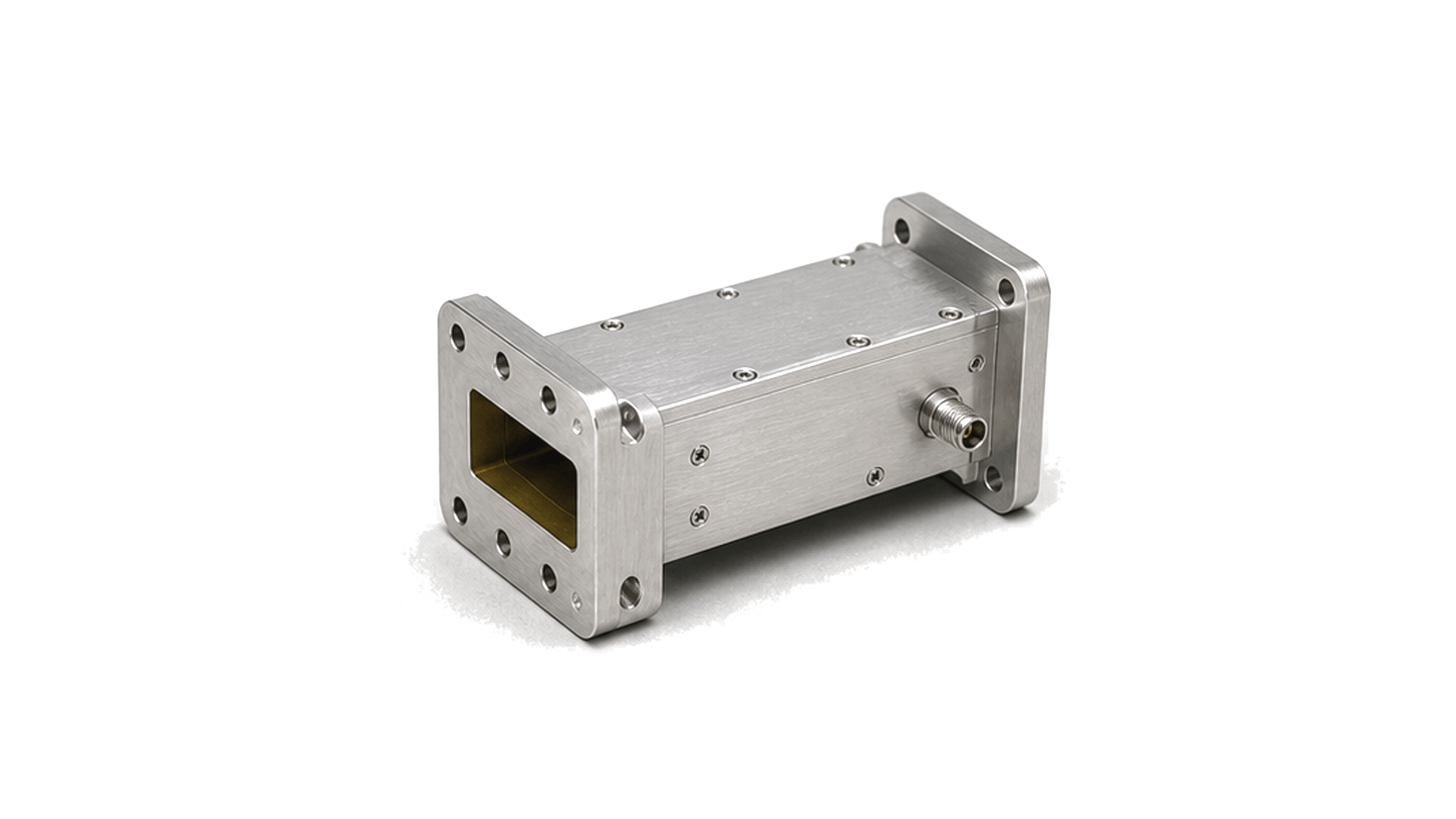
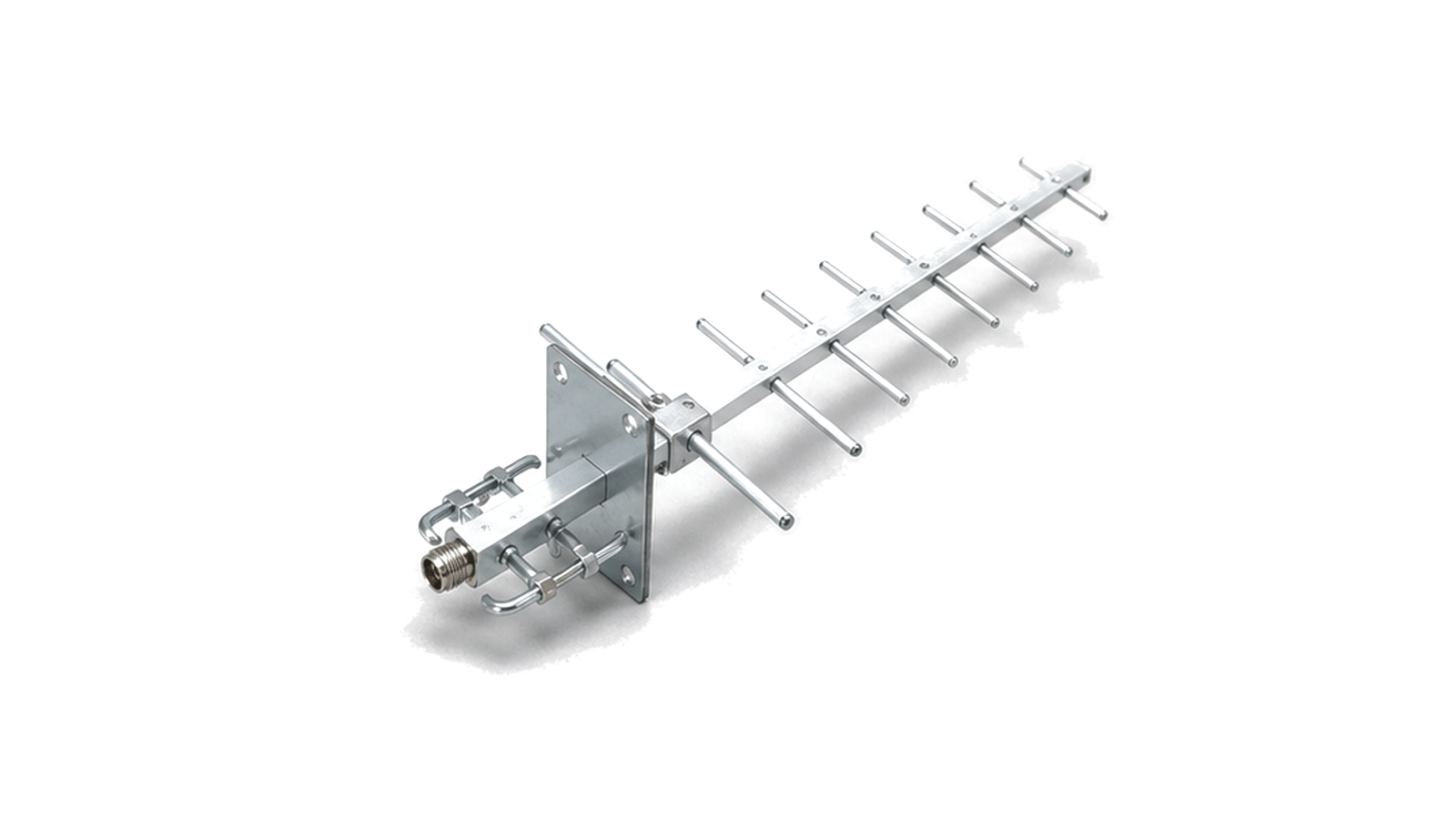
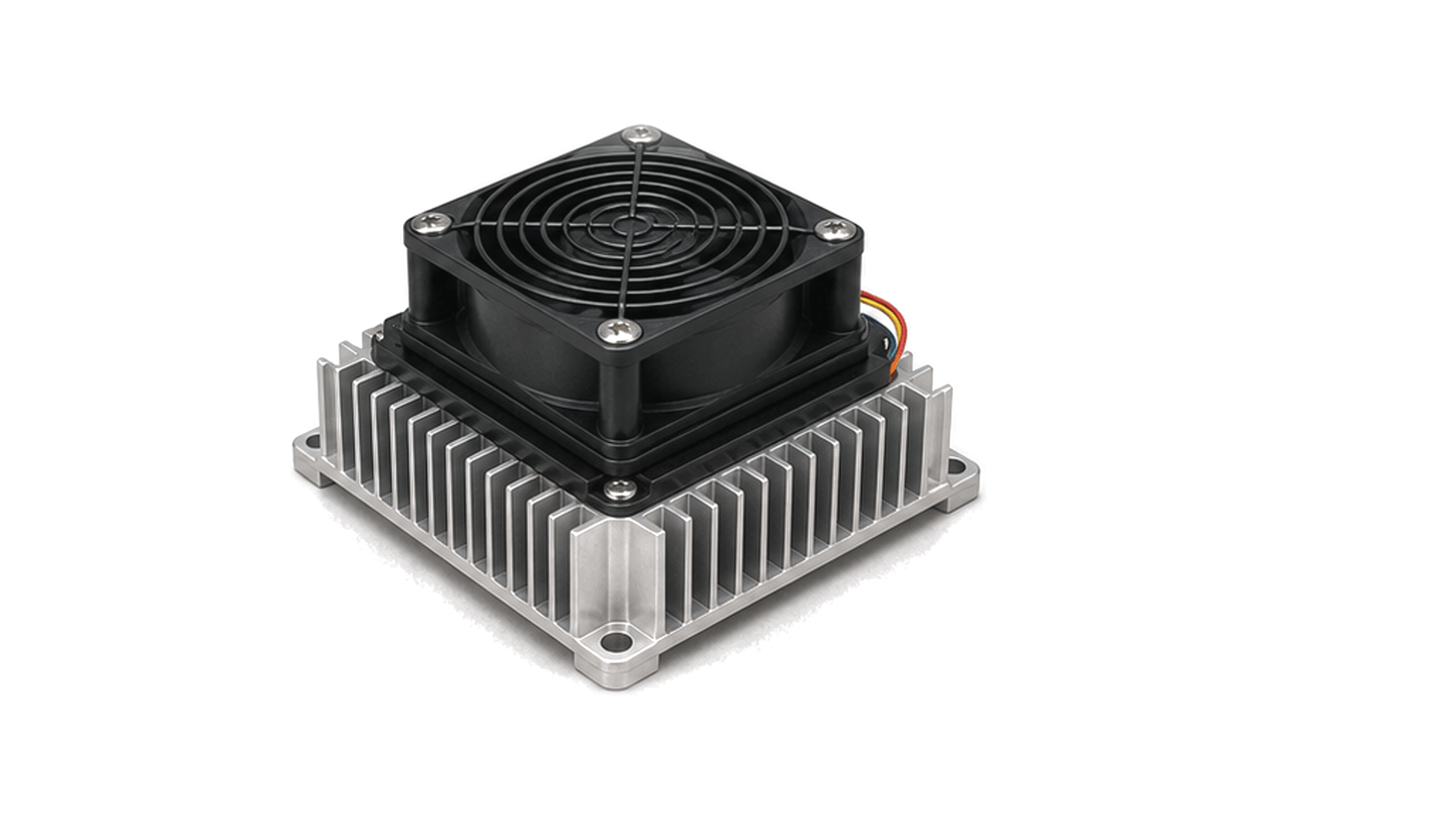
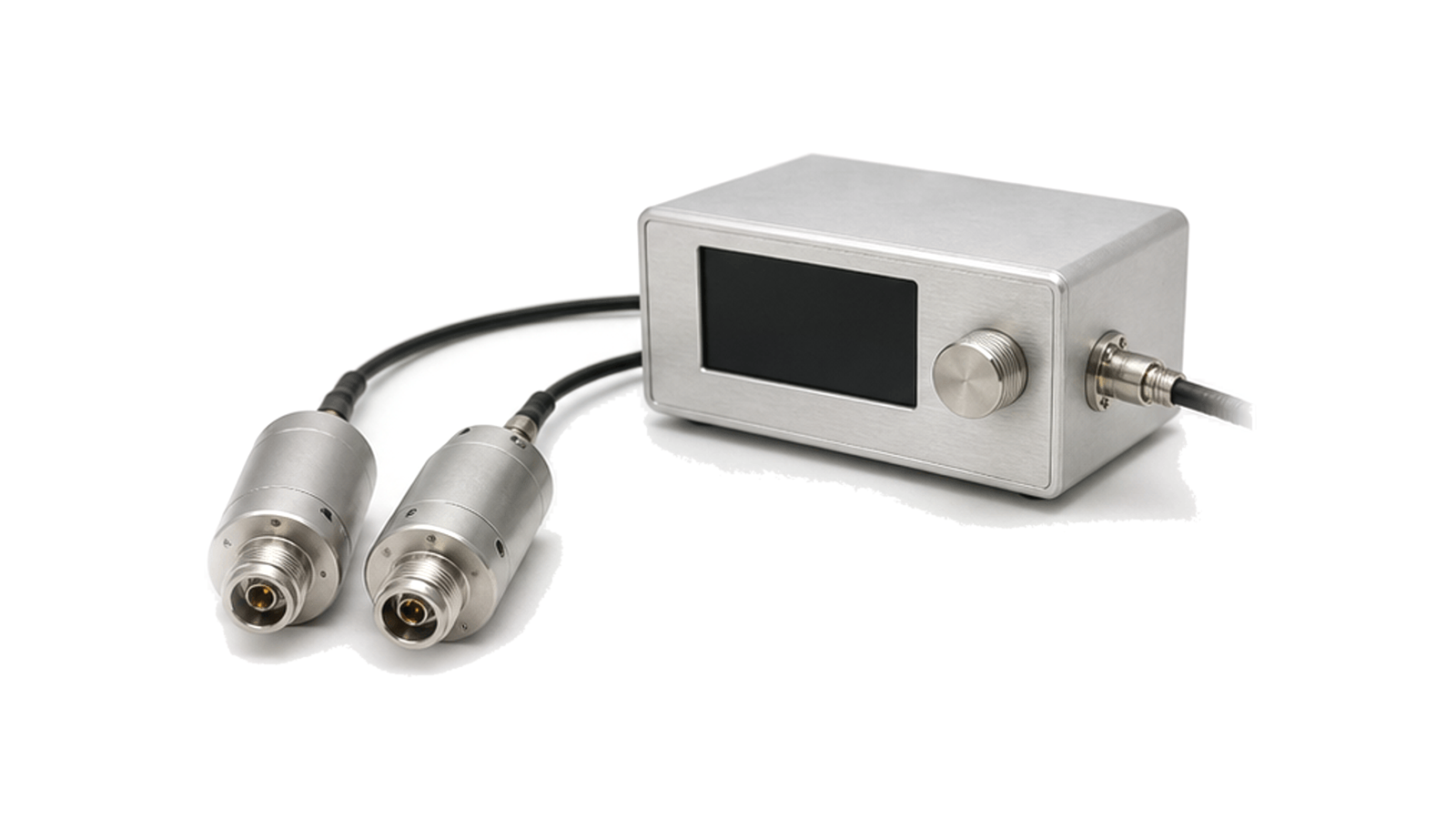
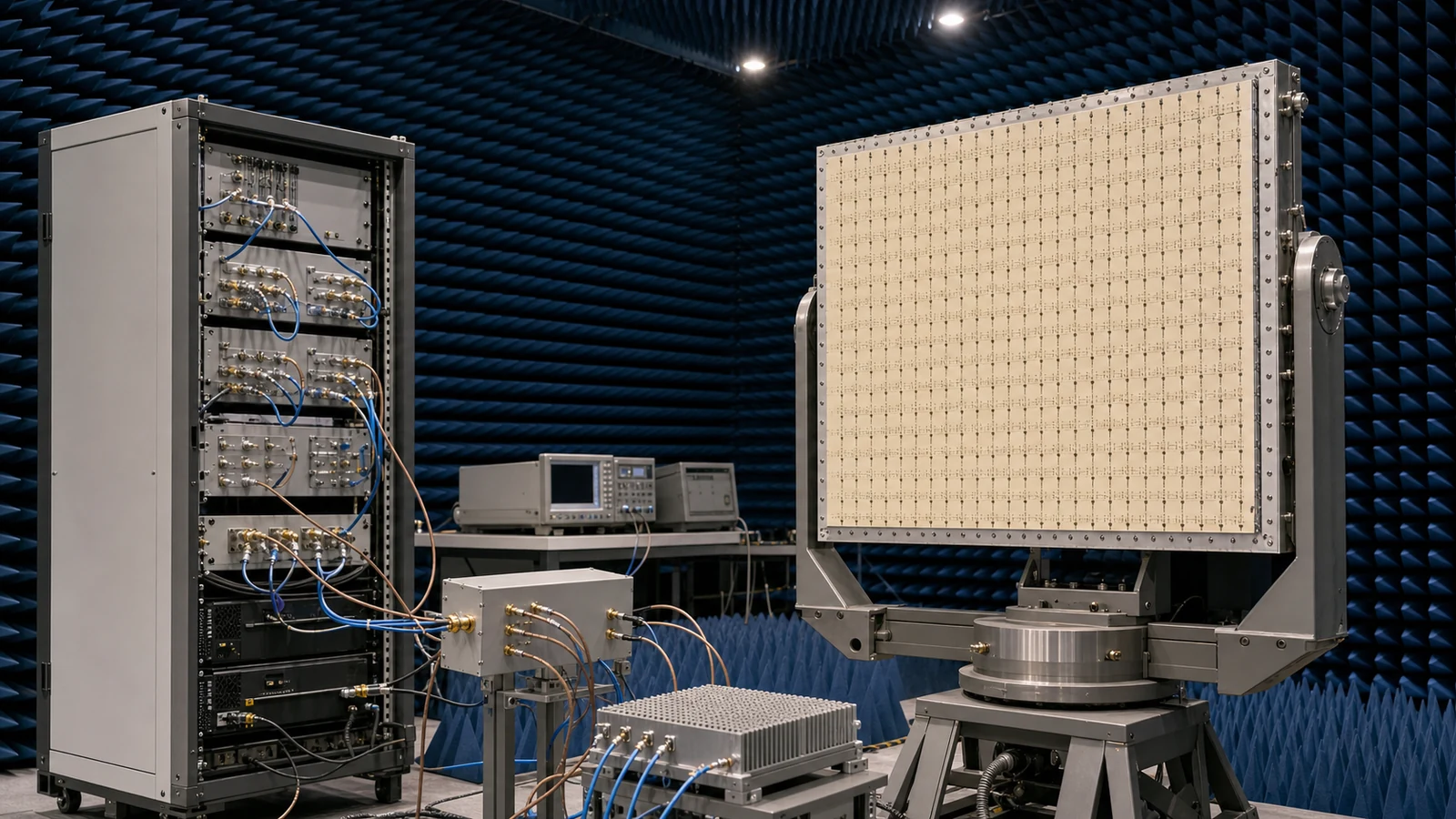
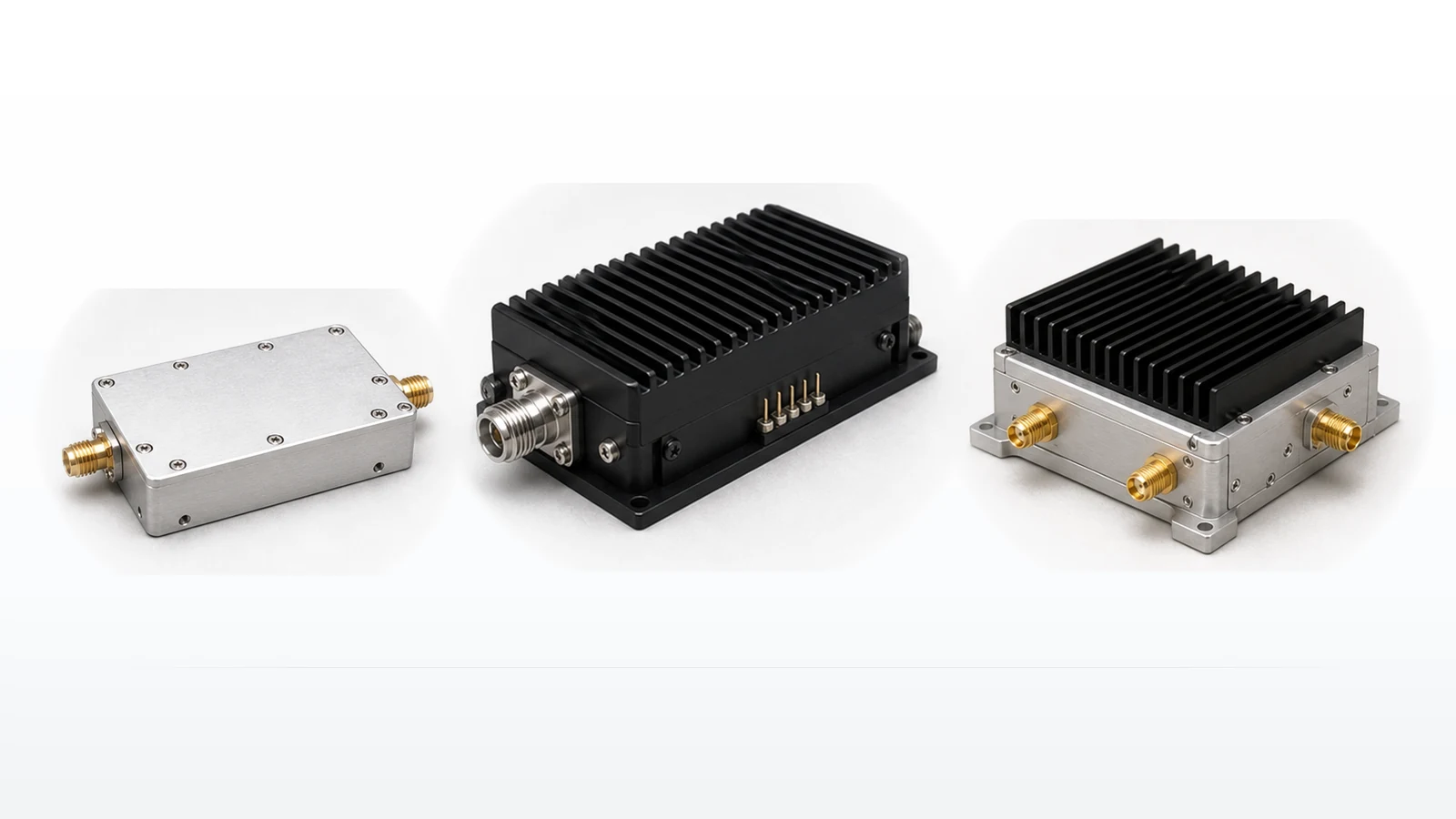
Weather radar systems use RF and microwave hardware to generate, route, filter and radiate high-power signals toward atmospheric targets. The RF path can include power amplifiers, waveguide filters, directional antennas, air-cooled thermal assemblies and power measurement hardware.

System context

The hardware must hold a stable path between the transmitter, waveguide section, antenna feed and receiver protection boundary. Outdoor sites, high duty cycles, lightning exposure, thermal load and maintenance access often shape the mechanical and electrical design.

Engineering data

Useful data includes radar band, output power, pulse duty, waveguide size, antenna feed interface, insertion loss, return loss, cooling method, environmental rating and power sensor range.
Articles

FAQ

What must a radar Tx/Rx protection requirement include beyond receiver survival?

A complete Tx/Rx protection requirement includes survivable peak and average leakage, limiter and switch behavior, residual level, overload recovery, post-pulse gain/noise/phase and the nearest usable range gate.

What determines waveguide power handling in pulsed, pressurized or vacuum service?

Power handling depends on waveform, local electric field, mismatch, geometry, material, surface, pressure and thermal state; it must be assessed and tested for the exact assembled path.

How do continuous-wave and pulsed operation change power-amplifier requirements?

CW selection is governed by continuous dissipation and rated output; pulsed selection additionally requires peak power, pulse width, repetition rate, duty cycle, droop, recovery and protection.

How should linear, circular, axial-ratio and cross-polarization requirements be specified?

Define linear orientation or circular sense, the viewing and coordinate convention, axial ratio, cross-polar limits and the frequency and angular region where they apply.

Engineering inquiry

Share your RF requirement

Share the product, operating requirements and project context. Our engineering team will route your request to the right specialist.

AttachmentsAttach drawings, BOMs, specifications or test files. Up to 5 files, 10 MB each and 25 MB total.
or drag and dropPDF, DOCX, XLSX, CSV, TXT, JPG, PNG, S1P and S2P
Typically reviewed within one business dayProject information is handled confidentially