
LCRF

Privacy preferences

Choose optional purposes independently. You can change or withdraw your choice at any time from the footer.

Strictly necessary

Required for security, session functions and storing your privacy choice.

Always active
Preferences

Remembers optional display or language settings when these features are enabled.

Analytics

Uses first-party visitor and session identifiers to measure pages, referrals and inquiry interactions.

Marketing

Allows marketing measurement or third-party advertising technologies if they are introduced in the future.

RF Detectors

RF detectors convert RF or microwave signal level into a DC or video output that can be used for monitoring, protection and control. They are used in receiver inputs, amplifier chains, RF test setups and system health monitoring.

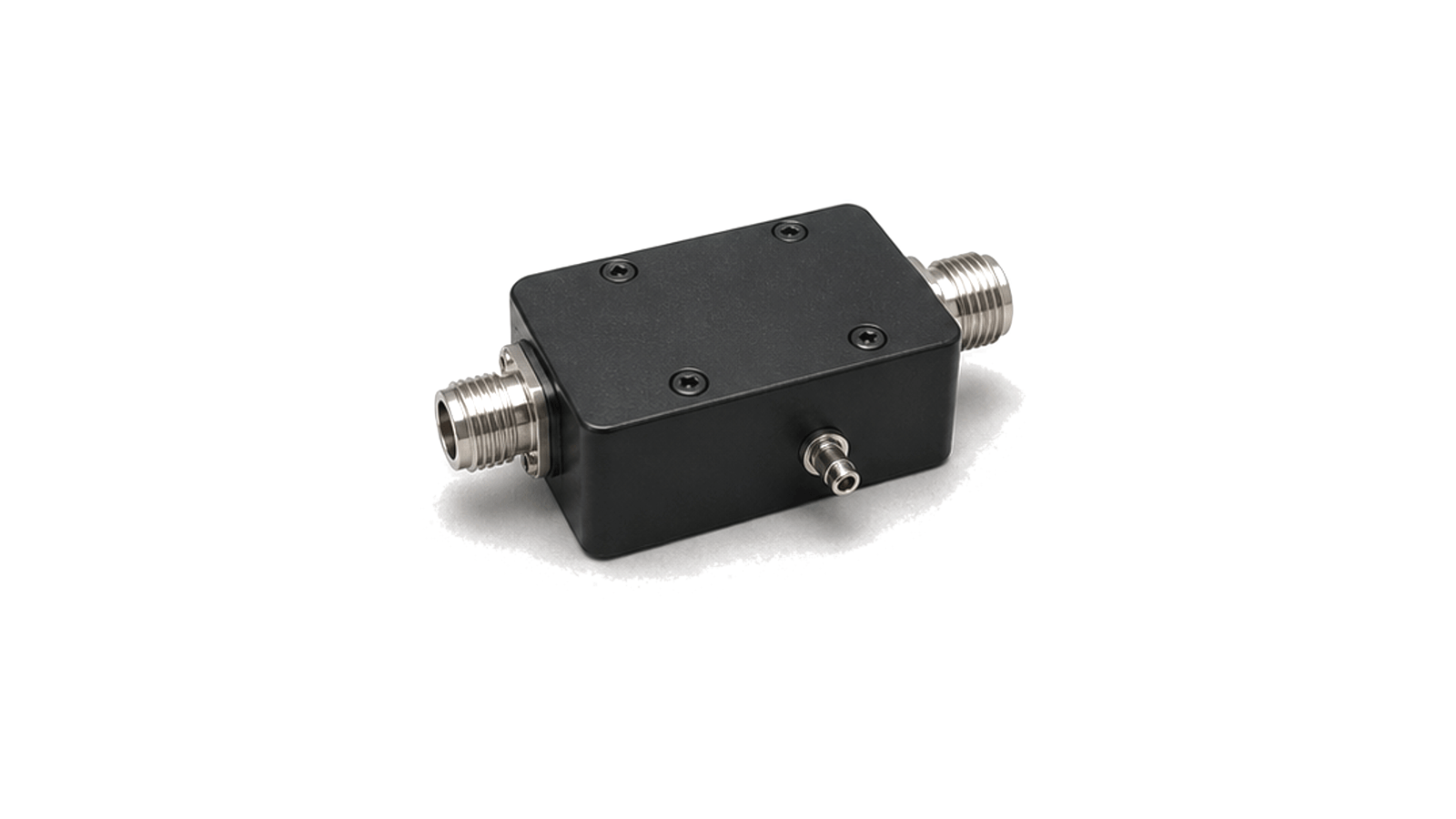
RF detector module for signal level monitoring

FAQ

What is an RF measurement reference plane, and when is fixture de-embedding required?

The measurement reference plane is the electrical boundary where a corrected value is claimed; de-embedding is needed only when a characterized fixture network must be removed to report at a different DUT plane.

Engineering inquiry

Share your RF requirement

Share the product, operating requirements and project context. Our engineering team will route your request to the right specialist.

AttachmentsAttach drawings, BOMs, specifications or test files. Up to 5 files, 10 MB each and 25 MB total.
or drag and dropPDF, DOCX, XLSX, CSV, TXT, JPG, PNG, S1P and S2P
Typically reviewed within one business dayProject information is handled confidentially

RF detectors

RF detectors sense the level of an RF or microwave signal and provide a usable DC or video output for a control loop, monitor point or measurement path. They do not route or amplify RF power; their value is the conversion of RF amplitude into information the rest of the system can act on.

Level detection in RF systems

Typical data includes operating frequency range, input level range, dynamic range, detector slope, output polarity, video bandwidth, response time, input match, temperature drift and maximum safe input power. These values affect receiver protection, forward or reflected power monitoring, AGC paths, threshold alarms and RF test fixtures.