
LCRF

Privacy preferences

Choose optional purposes independently. You can change or withdraw your choice at any time from the footer.

Strictly necessary

Required for security, session functions and storing your privacy choice.

Always active
Preferences

Remembers optional display or language settings when these features are enabled.

Analytics

Uses first-party visitor and session identifiers to measure pages, referrals and inquiry interactions.

Marketing

Allows marketing measurement or third-party advertising technologies if they are introduced in the future.

Temperature Compensated Crystal Oscillators (TCXO)

Temperature Compensated Crystal Oscillators use compensation circuitry to reduce crystal frequency drift over temperature. They provide compact reference timing where oven control is not required.

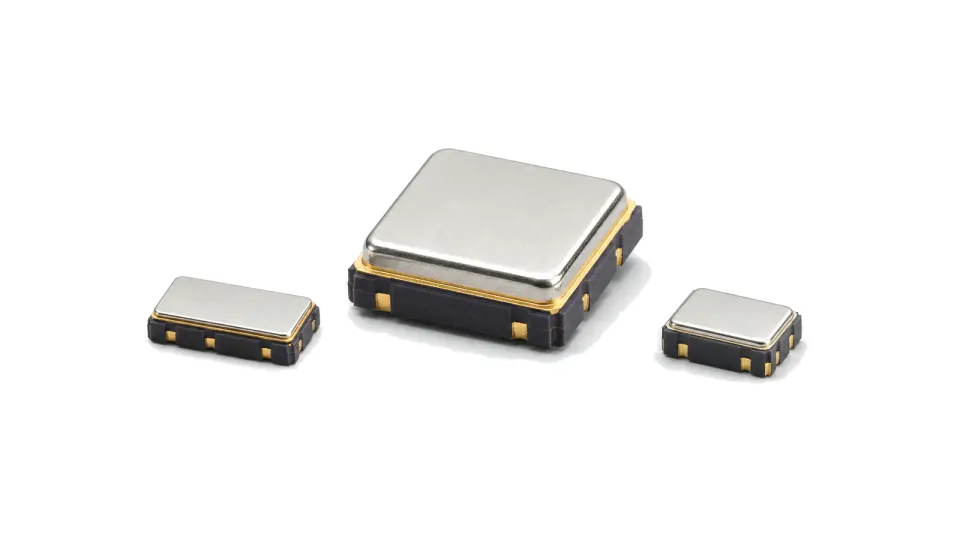
TCXO crystal oscillator for temperature compensated RF timing

FAQ

How should frequency accuracy, temperature stability, aging and holdover be specified?

Specify accuracy, temperature, aging and holdover as separate error terms with their own interval, environment, warm-up and reference history instead of one unexplained ppm value.

Engineering inquiry

Share your RF requirement

Share the product, operating requirements and project context. Our engineering team will route your request to the right specialist.

AttachmentsAttach drawings, BOMs, specifications or test files. Up to 5 files, 10 MB each and 25 MB total.
or drag and dropPDF, DOCX, XLSX, CSV, TXT, JPG, PNG, S1P and S2P
Typically reviewed within one business dayProject information is handled confidentially

Temperature Compensated Crystal Oscillators (TCXO)

A TCXO applies temperature compensation to a crystal oscillator so the reference frequency remains controlled across changing ambient conditions. It is a compact timing source for equipment that does not need an ovenized reference.

System role

TCXOs are used in RF modules, GNSS and satellite terminals, communication equipment, portable instruments and synchronized platforms where size, power and temperature behavior are linked.

Data to confirm

Useful records include nominal frequency, stability over temperature, aging, phase noise, output format, supply voltage, current, startup time, load condition and operating temperature.